Amid legal battles, Suno says it will start watermarking songs
Suno, an artificial intelligence music generation company, has announced it will begin watermarking its AI-generated songs. This move comes as the company faces multiple legal challenges, including lawsuits from major record labels and music publishers alleging copyright infringement. The watermarking feature is intended to provide a clear identifier for AI-created content, potentially addressing concerns about the provenance of music generated by its platform. This development highlights the ongoing tension between AI innovation and intellectual property rights within the music industry. The implementation of such features could become a standard practice as regulatory and legal frameworks for AI-generated content continue to evolve globally.
Suno's decision to watermark its AI-generated music carries significant implications for Asia's burgeoning AI and creative industries. As AI music generation tools gain traction across the region, particularly in markets like South Korea and Japan with strong music industries, the debate around copyright and authenticity intensifies. This move by Suno could set a precedent for other AI content creators in Asia, pushing them towards greater transparency and accountability in their offerings. For Asian startups developing similar generative AI solutions, integrating watermarking or other identification features might become a necessary step to mitigate legal risks and build trust with content creators and consumers.
Furthermore, this development underscores the global pressure on AI companies to address intellectual property concerns proactively. Asian governments and regulatory bodies, many of whom are actively developing AI governance frameworks, will likely observe these industry-led solutions closely. The adoption of watermarking could influence future policy decisions regarding AI-generated content, potentially shaping how intellectual property is protected and enforced in the digital age across diverse Asian markets. It also signals a maturing phase for the generative AI sector, where ethical considerations and legal compliance are becoming as critical as technological innovation.
Share this article
Related reading
6 stories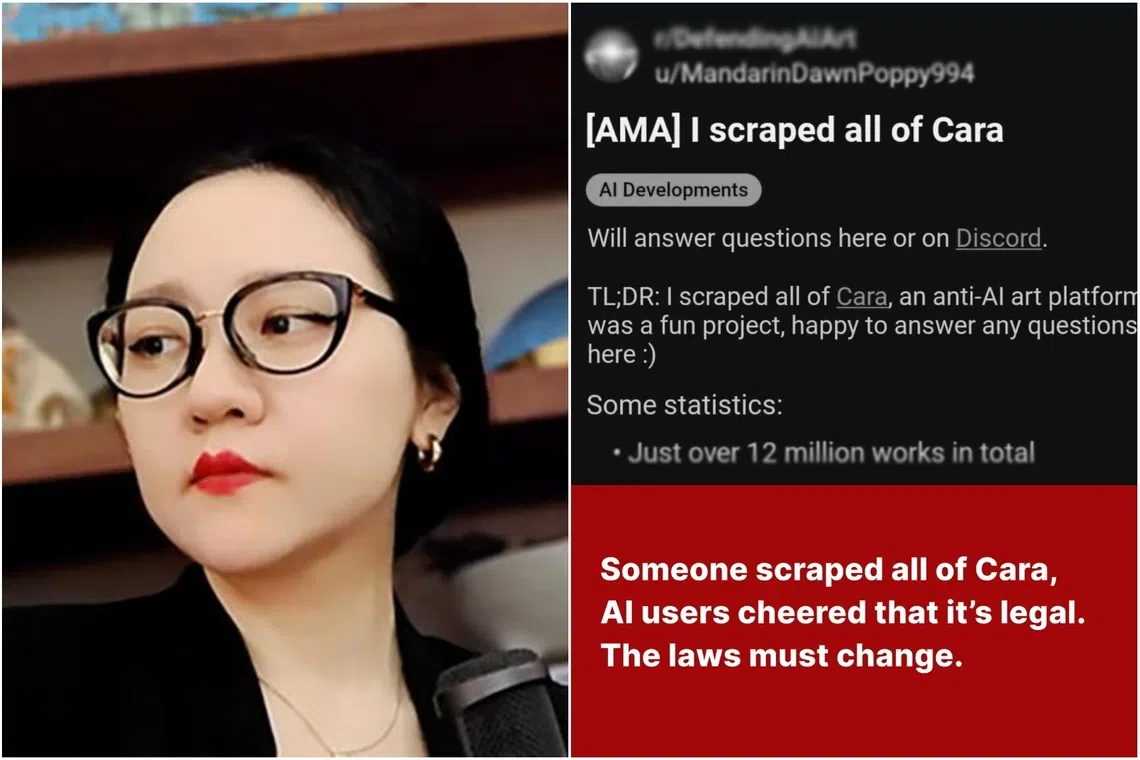
Singaporean photographer Zhang Jingna fights to keep art safe from AI scrapers
Singaporean photographer Zhang Jingna's fight against AI scrapers highlights the broader copyright debate.
‘Jensen’s nightmare’: Huawei, DeepSeek narrow AI chip ecosystem gap with Nvidia: report

Mastercard Launches AI Assistant to Simplify Card Benefits

China moves to set global standards for brain-computer interface technology

Visa Tests AI-Powered Business Payments, Introduces New Fraud Controls