61% vs. 26%: The number behind the real US-China AI divide
A RAND Corporation study shows a distinct US-China AI divide. 61% of American AI firms are pure software developers, compared to just 26% of Chinese firms. The remaining Chinese companies build hardware for their algorithms, such as robots and drones. This split reflects China's manufacturing base and industrial policy, which prioritizes embodied intelligence.
The real US-China AI gap is not in foundation models or applied software. Both nations have similar proportions of firms building on transformer architecture, around 28% for the US and 27% for China. The key difference is in application: Chinese AI targets the physical economy, like manufacturing and transportation, while US firms focus on the knowledge economy, including healthcare and cybersecurity.
China's strength in manufacturing supply chains and its 2025 national priority for embodied intelligence drive its hardware-centric AI. Over half of Chinese AI firms in the RAND sample are embedded in conglomerates like Alibaba and Tencent. This gives them direct access to factory floors and delivery fleets, accelerating deployment of physical AI solutions in Asia.
The test for China's hardware-focused AI strategy is its ability to scale beyond domestic supply chains. While its industrial policy supports humanoid robots, with a national standards framework published in 2026, global adoption will depend on competitive performance against US software innovation. Watch for export figures of Chinese embodied AI solutions in the next two years.
Related reading
6 stories
Li Auto spins out chip and silicon carbide businesses to target outside customers
China's focus on the physical economy and manufacturing AI is evident in Li Auto's chip spin-out.

LexisNexis Launches AI Tool That Adapts to Changing Fraud Patterns
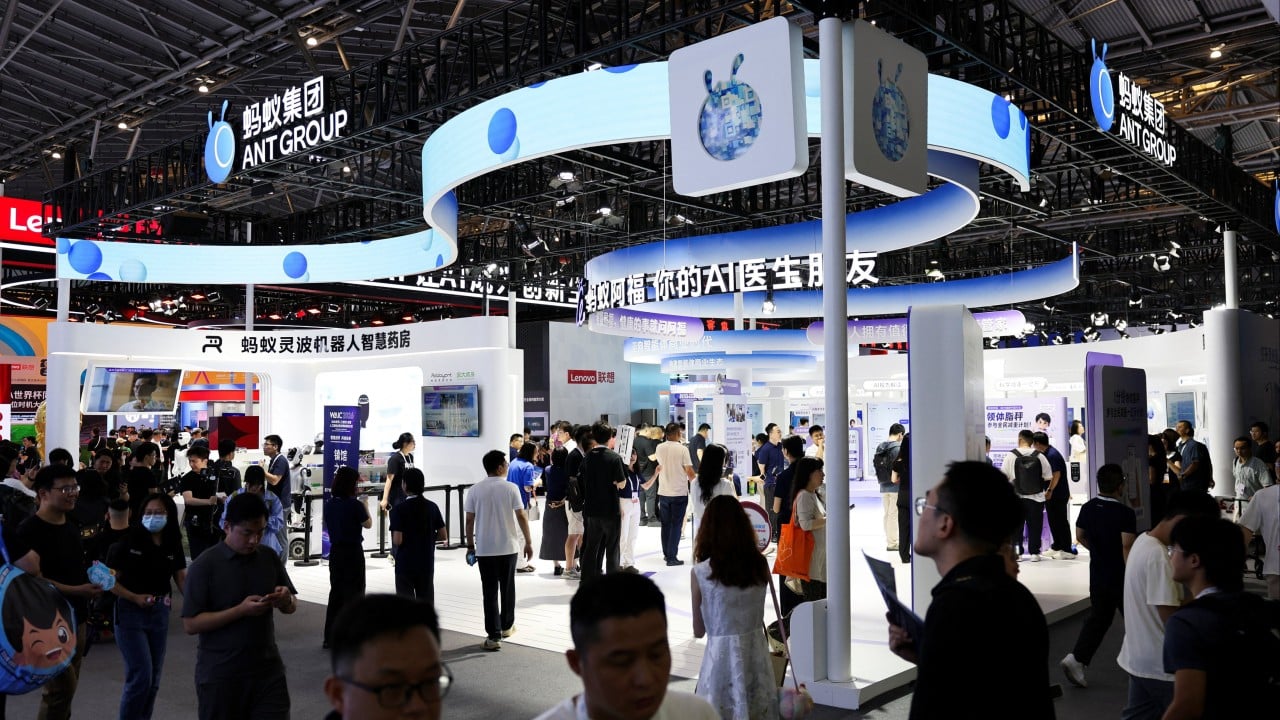
Ant Group consolidates Alipay operations in big bet on AI ‘agentic commerce’

Tesla and the Musks “Chinamaxx” as rumors swirl over EV maker’s plans

China’s MLCC market splits in 2 as AI server demand outpaces consumer electronics