
Asia's AI and tech news, exclusively curated.
Your daily pulse on AI, technology, innovation, and startups, everything worth knowing across Asia's fast-moving tech scene.
* By clicking the subscribe button you agree to our Privacy Policy and consent to the GMAsia team sending you occasional email updates.
Digital Infrastructure Bill gives businesses certainty for long-term investments: Tan Kiat How
Singapore's Senior Minister of State for Digital Development and Information, Tan Kiat How, announced the Digital Infrastructure Bill on Tuesday, October 6, 2026. The bill aims to establish statutory tools for the Infocomm Media Development Authority (IMDA) to license and regulate major cloud services and data centers, addressing concerns about security, resilience, and sustainability within the digital economy.
US Lead in AI Over China Narrows After DeepSeek Gains, BI Says - Bloomberg.com
Bloomberg Intelligence reports that the US lead in artificial intelligence over China has narrowed, with DeepSeek's advancements bringing China's AI capabilities to within 3% of the US. This assessment suggests a global price war among large language models and indicates institutional investors anticipate the US will need to share its AI leadership with China.
AMD's Lisa Su Returns to Korea for Gamer Day Event
AMD CEO Lisa Su is scheduled to visit Seoul for a "Gamer Day" event on October 7, her first trip to Korea in seven months. Industry sources reported on October 6 that Su is also expected to engage with Korean AI chip startups, with potential meetings with Samsung and SK hynix executives under discussion.
80% of Singapore Businesses Use Fintech, Yet Few Fully Switch
Four out of five businesses in Singapore now use a fintech provider for at least some financial needs, according to a YouGov survey commissioned by Aspire. While 30% have fully switched, half of the businesses surveyed continue to use fintech alongside traditional banks, indicating a hybrid approach to financial operations.
Anthropic’s Quiet Push to Make the Vatican See AI as Conscious
Anthropic co-founder Christopher Olah nearly withdrew from Pope Leo XIV's AI encyclical launch in May over the document's firm rejection of machine consciousness. The company had previously engaged dozens of religious scholars under NDAs since fall 2025 to explore the potential moral status of its Claude model, according to participants. The encyclical ultimately maintained that machines cannot feel or possess a moral conscience.
AST opens Singapore’s first high-end facility for advanced substrates in Jurong Lake District
Advanced Substrate Technologies (AST), a joint venture between TOPPAN Holdings and Broadcom, has opened Singapore’s first manufacturing facility for high-end Flip Chip Ball Grid Array (FC-BGA) substrates. The 95,000-square-meter Jurong Lake District facility, the first outside Japan for TOPPAN, aims to address growing demand for AI, networking, and next-generation computing.
Brands look stronger in AI answers when named than when left for AI to find: NeuroRank
Generative AI models are significantly more likely to include a brand in their answers when the brand name is part of the user's prompt, according to NeuroRank's AI Visibility Index 2026. The audit of 122 brands across nine sectors found a 38.4 percentage point difference in inclusion rates between named and unnamed prompts on major AI platforms.
Vishnu Manchu seeks action against deepfakes
Actor and Movie Artistes Association (MAA) President Vishnu Manchu has called for accountability for online identities, citing a recent AI deepfake controversy involving a manipulated version of the “Chuttamalle” song. Manchu emphasized that such incidents highlight the growing dangers of unchecked digital abuse and online anonymity, advocating for serious consideration of Aadhaar-linked online identity verification.
Oil falls with focus on Saudi supplies, flows through Hormuz
Oil prices stabilized after a recent drop, with Brent trading near US$100 a barrel and West Texas Intermediate above US$89. This follows increased Persian Gulf exports and a price cut by Saudi Aramco for its Asian buyers, as producers navigate the Strait of Hormuz despite elevated risks.
G7 Oil Stocks Release Is A Band-Aid Fix in Broken Fuel Market
G7 nations announced the release of 100 million barrels of oil stocks over four months, with a significant portion of diesel to be released within the first 20 days. This led to an immediate drop in crude oil prices, with the U.S. benchmark WTI falling to about $90 per barrel, according to Oil Price reporting.
Taiwan Biotech Delegation Showcases Regional Innovation in CDMO, Cell Therapy, and Biologics at BioJapan 2026
Seventeen Taiwanese biotech companies and research institutions are showcasing capabilities in advanced CDMO, cell therapy, and biologics at BioJapan 2026. The delegation, led by the Biotechnology and Pharmaceutical Industries Promotion Office (BPIPO), highlights Taiwan's life sciences sector, which generated NT$830.1 billion (US$26 billion) in revenue in 2025.
DayOne Files Registration Statement for Proposed Initial Public Offering
DayOne Data Centers Limited, a Singapore-headquartered digital infrastructure platform, has filed a registration statement on Form F-1 with the U.S. Securities and Exchange Commission for a proposed initial public offering. The company has applied to list its American Depositary Shares on the Nasdaq Global Select Market under the ticker symbol "DODC."
AkzoNobel sells Southeast Asia paint business
AkzoNobel has agreed to sell its Southeast Asian decorative paints business, covering operations in Vietnam, Indonesia, Malaysia, Thailand, Singapore, Papua New Guinea, and Australia, to Nippon Paint for $1.35 billion. The Dutch company anticipates net cash proceeds of about $1 billion after taxes and minority partner payments. This sale concludes a review of its Asian decorative paints portfolio.
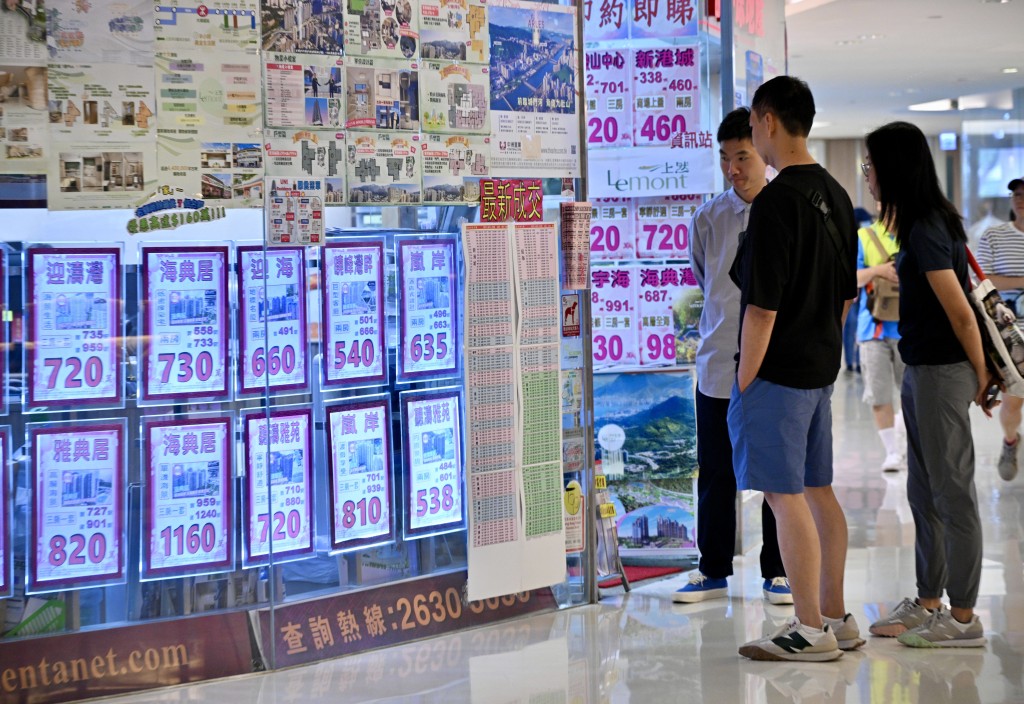
Hong Kong-based bank raises mortgage maximum rebates to 2 percent
A has raised its mortgage rebates from a maximum of 1. 4 percent to 2 percent, the highest in Hong Kong, for loan amounts exceeding HK$2 million and non-mortgage insurance schemes with loan amounts exceeding HK$3 million.

BCDA, Japan firm advance self-driven cable car plan for Camp John Hay
The Bases Conversion and Development Authority (BCDA) is collaborating with Japan's Zip Infrastructure Co. Ltd. to develop a self-driven cable car system for Camp John Hay in the Philippines. The initiative aims to improve mobility through innovative transport technology, with feasibility studies and investment plans currently in progress.

China Automotive Systems' Fully Redundant AP04 EPS Platform Meets ASPICE 4.0 CL2 in Joint Assessment by European OEM and UL
China Automotive Systems' subsidiary, Hubei Henglong Automotive System Group, has achieved ASPICE 4.0 Capability Level 2 for its AP04 EPS platform, as validated by a European automaker and UL. This certification covers 19 core process areas, including systems, software, hardware engineering, and project management, and supports planned mass production for European markets by late 2026.

Japan service sector activity slows down
Japan's service sector expanded at a weaker pace in September, with the S&P Global Services Purchasing Managers’ Index (PMI) easing to 51.3 from a five-month high of 52.5 in August. This slowdown was attributed to slower growth in business activity and new orders, as well as earthquake disruption, according to a business survey by S&P Global.

Cale88 got P319M from China, HK
AMLC records showed P319. 32 million in China and Hong Kong remittances to Cale88 Foods, as Duterte’s defense challenged the disclosure of financial records.
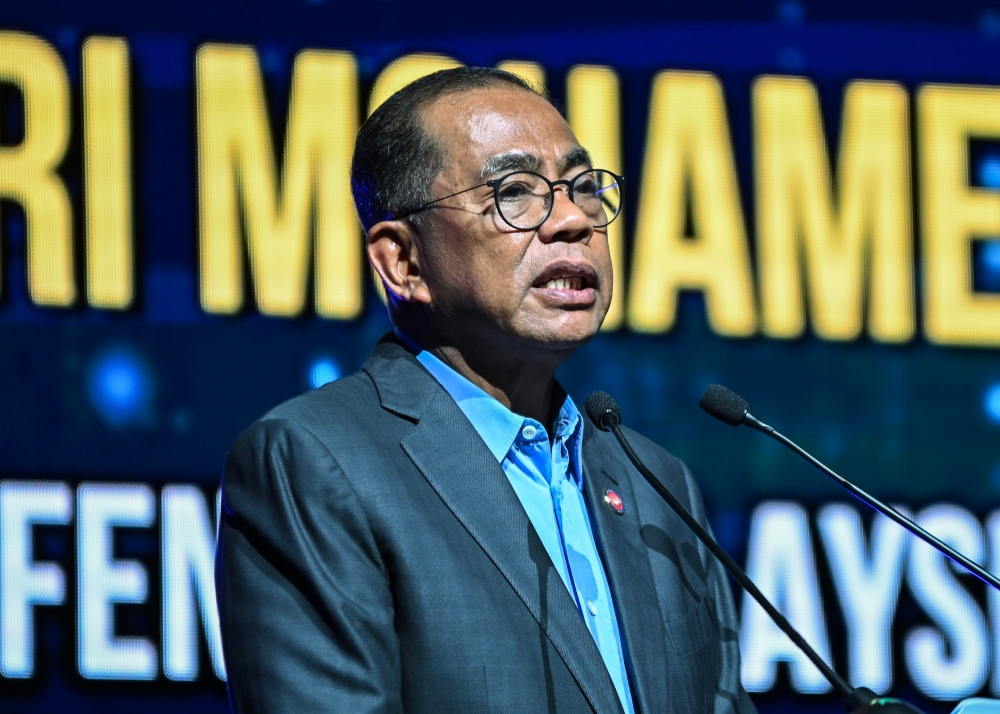
Defence minister: LCS missile compensation claim expected to take time
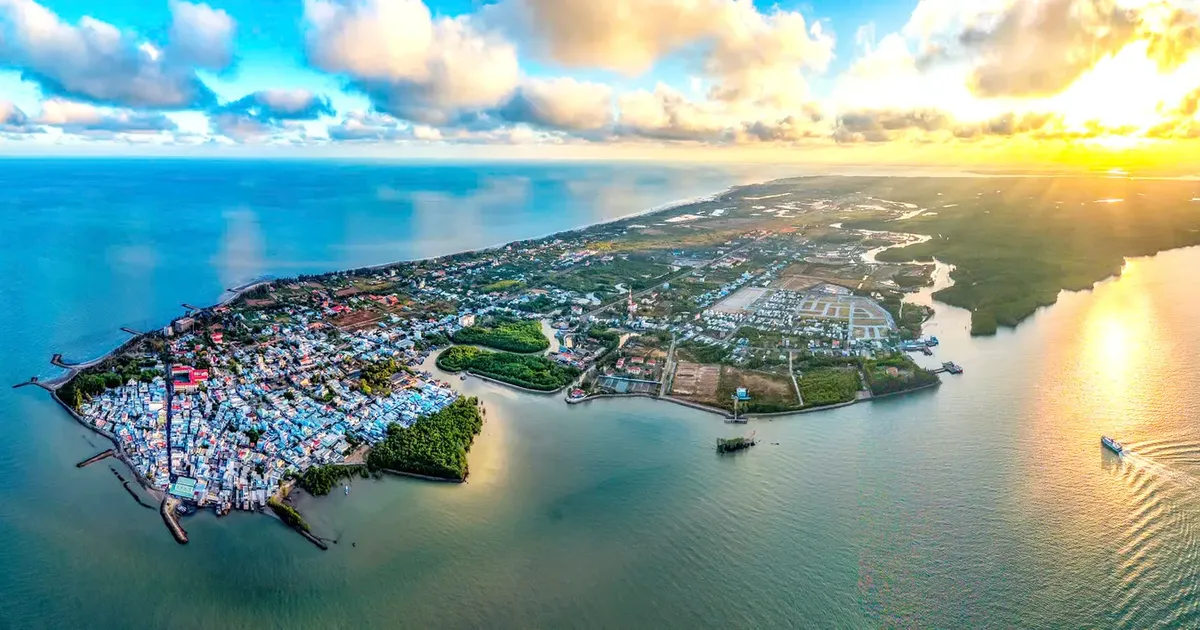
Ho Chi Minh City’s marine economy reaches for global prominence
To become a strong maritime nation, Vietnam needs to build strong, leading marine economic hubs, with Ho Chi Minh City serving as a prime example.

Logistics startup SHIPZY enters PHL market
Filipino-founded tech logistics startup SHIPZY Philippines has launched operations in the country, introducing an integrated digital platform designed to consolidate warehousing, fulfillment, and transportation for businesses. The company, founded by Filipina professionals, states its aim to address fragmented supply chain operations in the Philippines.

UAE's TII probe set to make historic asteroid landing
The UAE's Technology Innovation Institute (TII) has developed a probe for a 2028 mission to image two planets and seven asteroids, culminating in a landing on 269 Justitia in 2036. The probe, designed and built in Abu Dhabi, will separate from the MBR Explorer spacecraft to autonomously capture close-range images and excavate the asteroid's surface.

With US-patented tech, GalaxEye plans to launch 30 satellites in 5 years
Indian startup GalaxEye plans to launch 30 satellites over five years, equipped with US-patented technology that combines optical and Synthetic Aperture Radar (SAR) imaging. This approach aims to deliver clearer images despite atmospheric conditions like smoke and clouds, a limitation for traditional optical systems, according to the company.
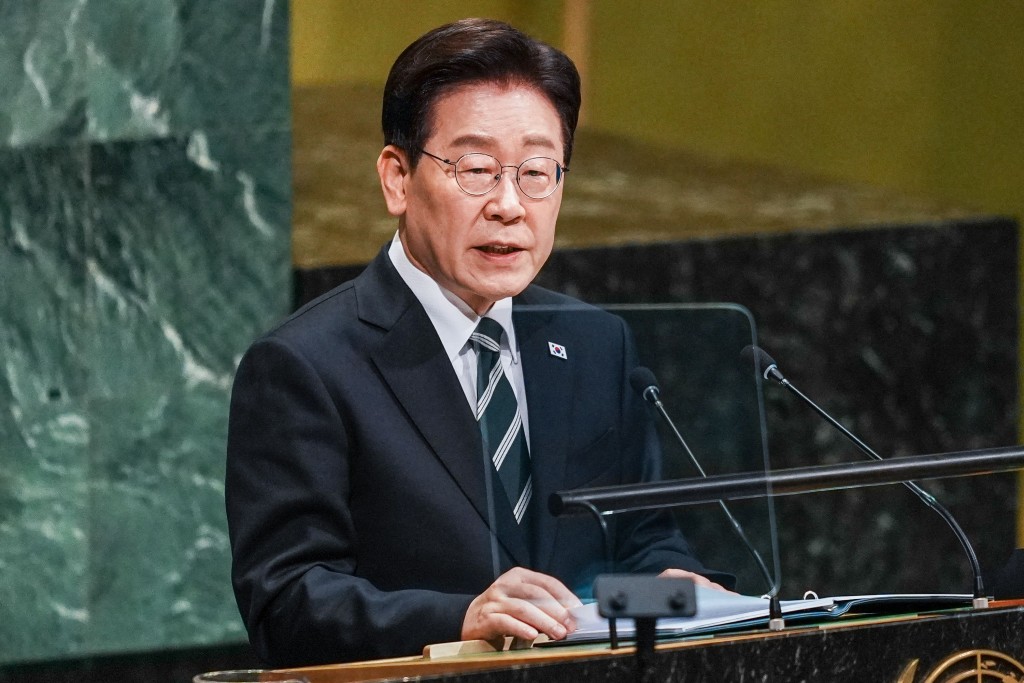
South Korean president orders probe into data leaks across financial industry
South Korean President Lee Jae Myung has directed a comprehensive investigation into recent personal data breaches affecting financial institutions and public agencies, according to a Sunday statement from Seoul's presidential office. The order also includes developing response measures to address these incidents.

India fastest-growing Asia market for NetApp; BFSI and public sectors key growth drivers: CEO
NetApp’s CEO, George Kurian, reported that India is the company’s fastest-growing market in Asia, driven by the BFSI, manufacturing, IT services, and public sectors. The company also expanded its global capability center in Bengaluru, which now employs approximately 4,000 engineers and handles most of NetApp’s global R&D.

Fewer babies, smaller market: How Singapore baby-care brands are adapting
Singapore's baby-care brands face a declining domestic customer base due to falling birth rates, compelling them to adapt through wider product ranges, additional services, and international expansion. While the number of live births decreased by 11.4 percent in 2025 to 29,864, retail value sales in the baby and mother-care industry reportedly rose 7 percent to S$117 million (US$91.5 million) in the same year, according to Euromonitor data cited by Nanyang Business School.
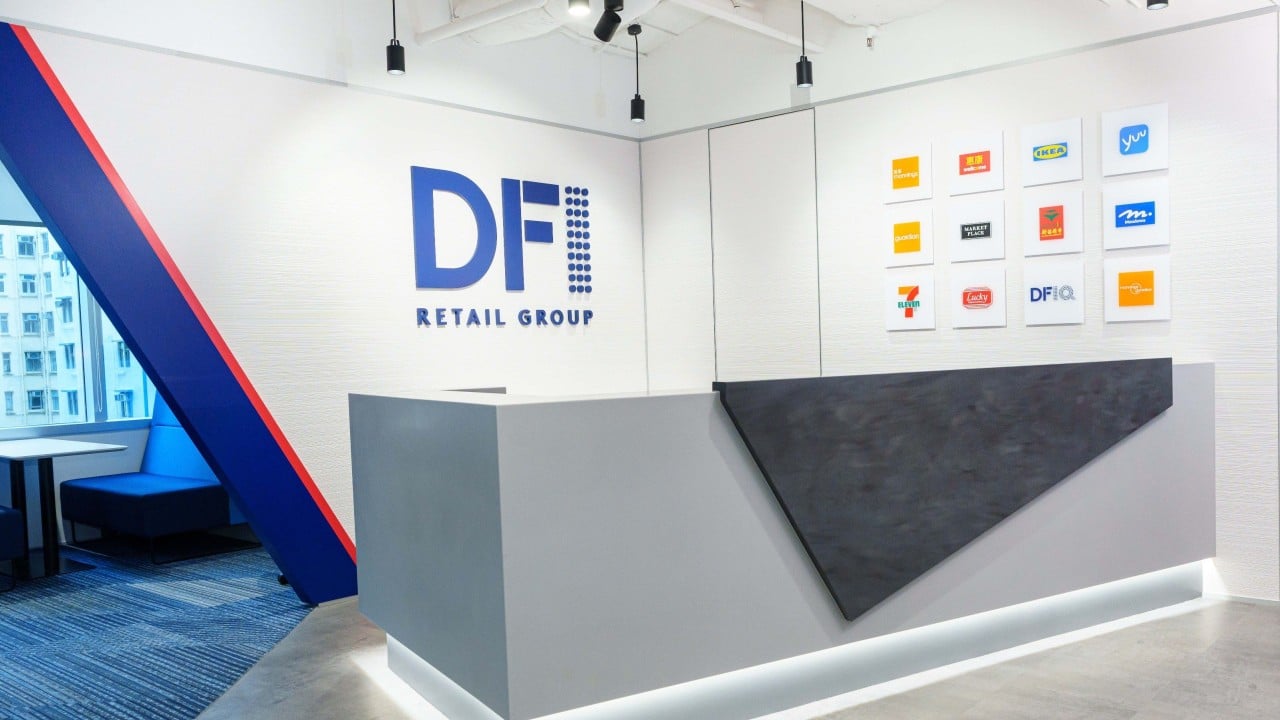
140 Years of Everyday Moments
DFI Retail Group, a Hong Kong-founded retailer operating across Asia, is marking its 140th anniversary, with Group Chief Executive Scott Price stating the company's future depends on fulfilling customer needs, investing in innovation, and earning trust. The company serves millions weekly through brands spanning food, convenience, health and beauty, and home furnishings.
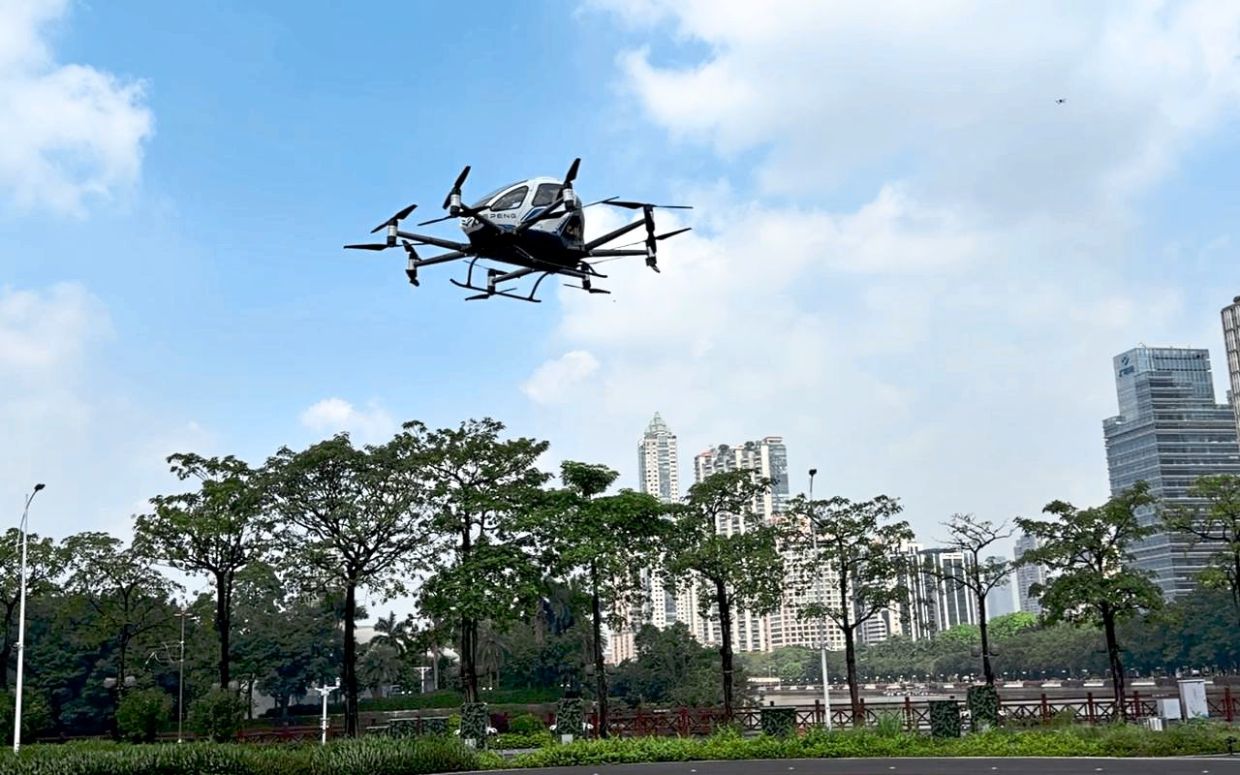
Taxiing out a low-altitude economy
China's EHang, a developer of pilotless electric vertical take-off and landing aircraft (eVTOLs), is expanding into Southeast Asia, with Malaysia identified as a potential market. A Malaysian private-sector customer has placed orders for EHang's passenger-carrying aircraft, with initial applications expected in cultural tourism, sightseeing, and short-distance transport connections.

Quote of the day by ARC Prize co-founder François Chollet: "OpenAI basically set back progress to AGI by five to 10 years"
François Chollet, co-founder of the ARC Prize, stated that OpenAI's focus on large language models has "set back progress to AGI by five to 10 years." This critique, reported by TechRadar Nz, suggests that the industry's current approach may not lead to human-like intelligence.
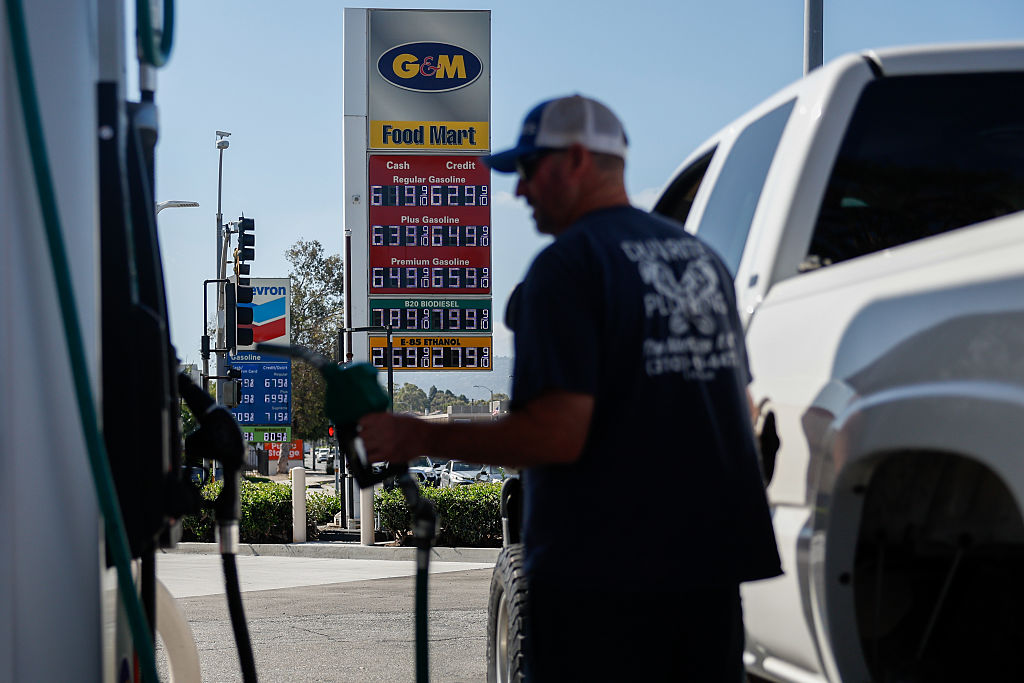
The G7 Is Releasing Emergency Fuel Reserves. How Much Will It Help Americans?
The Group of Seven (G7) nations announced a coordinated release of 100 million barrels of oil and fuel products, including a substantial initial amount of diesel, over the next four months. This measure aims to stabilize energy supplies amid record-high fuel prices driven by conflicts in Iran and Ukraine, with the International Energy Agency coordinating the effort.
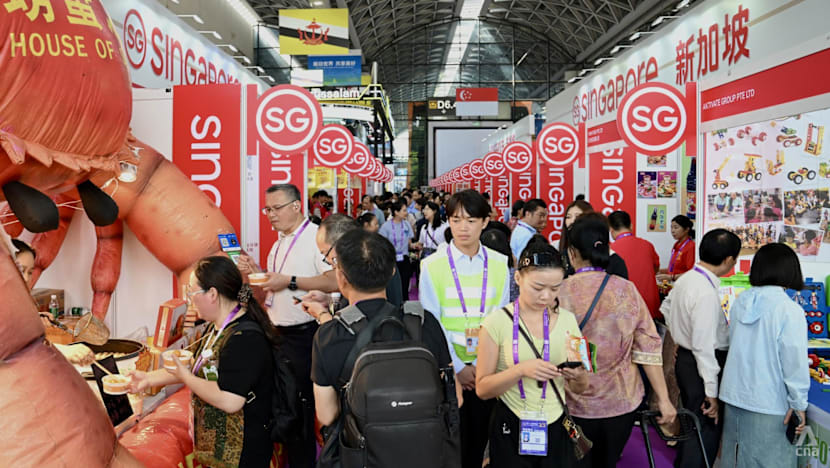
From ‘red ocean’ to ‘blue ocean’: Why Singaporean firms are exploring Nanning to enter China’s market
Singaporean firms are increasingly looking to Nanning, Guangxi, as a less competitive entry point into the Chinese market, despite recent pyramid scheme arrests in the region. Over 50 Singaporean exhibitors participated in the recent China-ASEAN Expo (CAEXPO) in Nanning, with some exploring the market for the first time and others building long-term business relationships.