
Java flaw leaves systems open to hackers, say US, South Korea, China's Tencent
US and South Korean authorities, alongside China's Tencent, have issued urgent warnings for organizations to patch a critical flaw in the widely used programming language Java. The vulnerability, discovered by US tech firm Calif, could allow hackers to access systems, prompting Oracle to release a software update for its Java Development Kit on November 17.
A critical flaw in the popular programming language Java has prompted urgent advisories from cybersecurity authorities in the US, South Korea, and China's Tencent. US tech firm Calif, which previously identified a cybersecurity vulnerability in PHP last month, announced on Wednesday that it had discovered this new bug within Java's memory functions. This vulnerability could enable hackers to remotely execute code or crash affected systems.
The concern over the flaw is particularly pronounced in South Korea, where Java is heavily deployed across various sectors. The presidential office convened an emergency meeting on Tuesday with government agencies to coordinate preemptive measures. Following this, South Korea's Ministry of Science and ICT and the Korea Internet & Security Agency stated on Wednesday that both public institutions and private enterprises must promptly install the necessary security updates.
Java, available from Oracle and through open-source development kits, is fundamental to critical information systems globally, underpinning operations in government agencies, the corporate sector, financial institutions, and the military. The US Cybersecurity and Infrastructure Security Agency (CISA) has also issued an advisory, emphasizing the need for immediate patching, though it did not link the vulnerability to any recent system outages.
China's Tencent Cloud, the cloud-computing division of Tencent, specifically warned its customers on Wednesday about a vulnerability in the open-source Java kit, known as "Java4Shell." Tencent Cloud indicated that this flaw could permit unauthenticated attackers to steal sensitive information or gain control of compromised servers. Separately, the Dutch National Cyber Security Centre reported on Wednesday that it is investigating the vulnerability, noting no immediate signs of large-scale exploitation based on available information.
These warnings arrive amidst heightened cybersecurity concerns, partly due to rapid advancements in artificial intelligence. AI tools are making it faster and easier for hackers to identify and exploit system weaknesses, potentially reducing the window for companies to apply patches from days to mere hours or minutes. Karolis Kaciulis, lead system engineer at Surfshark, noted that the speed of patching now required can also introduce instability into systems.
While these cybersecurity alerts coincide with other technology disruptions, such as Apple's internal update causing an outage affecting iCloud and Apple Pay on Tuesday, and a temporary degradation in the US National Security Agency's network during routine maintenance, authorities and companies have not established a link between these incidents and the Java vulnerability.
Share this article
Related reading
6 stories
No major cyber threats affecting Malaysians detected so far, says Fahmi
We reported on Malaysia's cyber security status, noting no major threats detected so far.
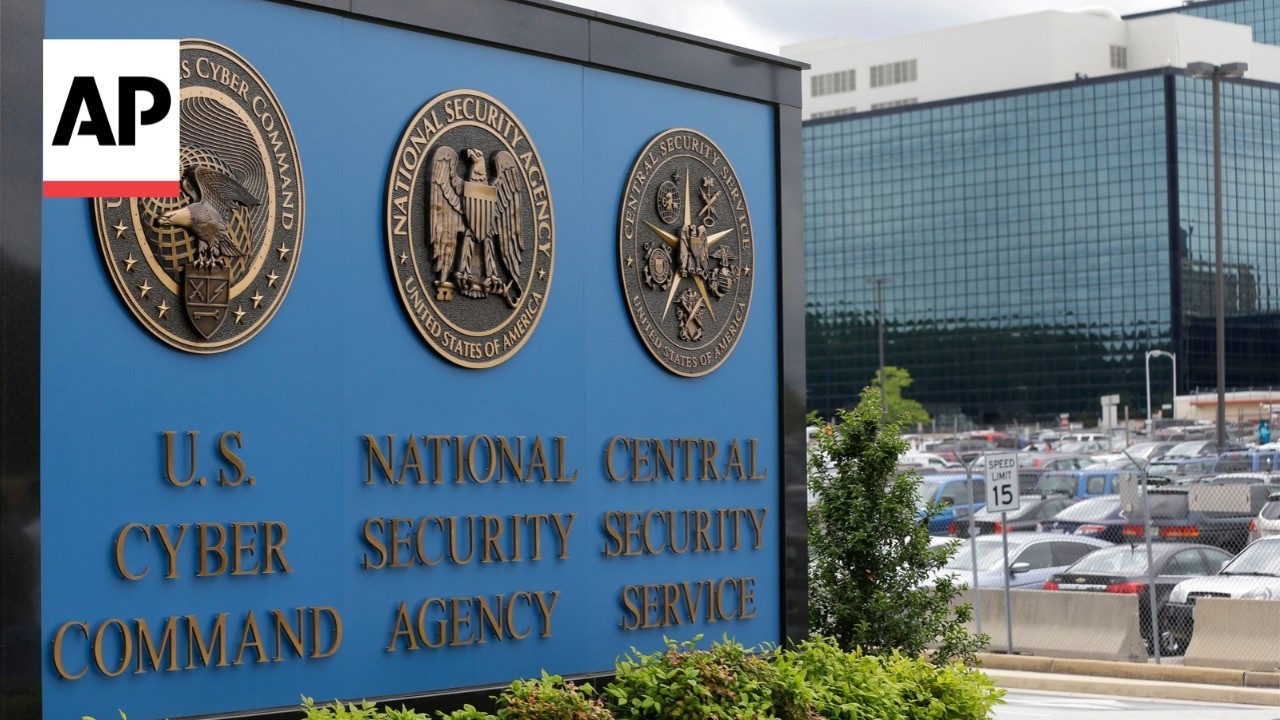
NSA communications network goes down during ‘routine maintenance’ (Video)
Our past coverage included a video report on an NSA communications network outage during maintenance.

Former Alibaba exec’s Everful raises $48.5M to connect retailers with Chinese factories

Superhuman pushes its Go assistant everywhere

After Jensen Huang’s exit, Nvidia speeds up pay reviews. Will it help retain staff?
