Young Korean workers hit hardest as AI automation slashes jobs
Young Korean workers are disproportionately affected by job losses linked to AI automation, marking a significant shift in employment trends. Over half of the jobs shed by young Koreans in July were concentrated in sectors heavily exposed to artificial intelligence. This contrasts sharply with previous years, when youth employment declines were primarily attributed to manufacturing and in-person services. The Ministry of Data and Statistics reported a decrease of over 191,000 employed individuals aged 15 to 29 compared to the previous year. The information and communications sector, encompassing computer programming and digital media, experienced its steepest single-month drop since 2014, shedding 74,517 positions.
This report from The Korea Times highlights a critical and accelerating trend in South Korea: the direct impact of AI automation on the job market, particularly for younger workers. The concentration of job losses in knowledge-intensive sectors like information and communications, and professional, scientific, and technical services, signals a profound structural shift. Unlike previous economic downturns that primarily affected blue-collar or service roles, AI is now demonstrably disrupting white-collar and specialized positions, which are often entry points for younger professionals. This trend could exacerbate youth unemployment and underemployment, potentially leading to social and economic instability if not addressed through policy interventions like reskilling initiatives.
For Asia's tech ecosystem, this development in South Korea serves as an early warning. As AI adoption accelerates across the region, other advanced economies with similar demographic and industrial structures could face comparable challenges. It underscores the urgent need for governments and educational institutions to adapt curricula and workforce development programs to prepare for an AI-driven economy. Companies, too, must consider the social implications of automation and explore strategies for workforce transition rather than simply displacement, to maintain social license and avoid potential talent shortages in emerging AI-related fields.
Related reading
6 stories
Korea's AI ethics principles lack binding force, specificity
Our prior reporting highlighted the lack of binding force and specificity in Korea's AI ethics principles.
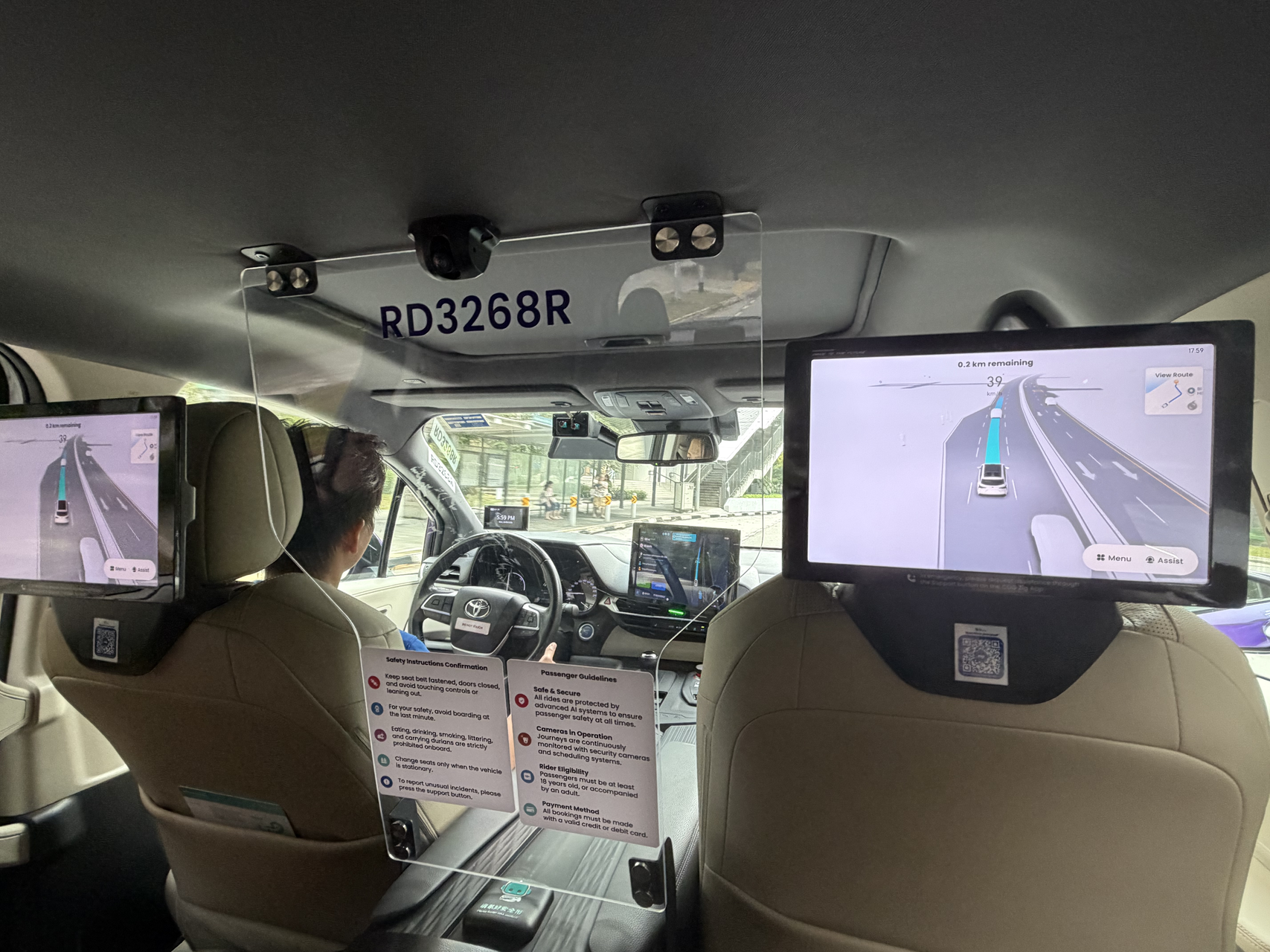
If driverless cars already work, why aren’t they everywhere?

Sumsub Launches Workforce Verification as Deepfake Risks Grow
ByteDance’s AI-enhanced short-drama app eclipses China’s Netflix rivals combined

Timo Joins Top 10 Banks in Vietnam by Customer Satisfaction