Will Customers Still Notice Their Bank by 2030?
By 2030, banking could become an almost invisible force, seamlessly integrated into customers' lives rather than a distinct, channel-hopping process. Industry leaders like Connie Leung of Microsoft and Frankie Wai of Temenos envision a future where banks anticipate customer needs, offering financing for major life events like home purchases without requiring explicit applications. This shift moves beyond traditional product- and channel-centric models towards an intent-driven approach, where AI silently powers relevant, timely assistance. The goal is to make banking less about navigating systems and more about achieving personal goals, with the bank acting as a quiet, intelligent enabler in the background.
This article highlights a significant paradigm shift in Asian banking, moving from a reactive, product-centric model to an anticipatory, customer-intent-driven one, largely powered by AI. For Asia's dynamic tech ecosystem, this signals a massive opportunity for fintech innovators and AI solution providers. The emphasis on "invisible banking" and seamless integration into customer journeys will drive demand for sophisticated AI and machine learning platforms capable of predictive analytics, personalized recommendations, and efficient workflow automation. This transformation is not merely about digitizing existing processes but fundamentally redesigning them, demanding a deeper collaboration between traditional financial institutions and technology partners.
Moreover, the discussion around internal operational changes—where even non-IT staff are prototyping solutions—underscores a broader trend of democratizing technology within enterprises. This could accelerate digital transformation across various sectors in Asia, fostering a culture of innovation and agility. However, it also presents challenges related to governance, data security, and responsible AI deployment, especially given the diverse regulatory landscapes and varying levels of digital literacy across Asian markets. The article implicitly suggests that banks that can effectively leverage AI to build trust and relevance, rather than just efficiency, will gain a significant competitive edge in the region.
Related reading
6 stories
Flagright Joins Nacha Push Against US Bank Payment Fraud
Flagright's move against US bank payment fraud highlights the ongoing battle for secure, invisible banking.

Stripe Adds GCash, Touch ’n Go, and PromptPay for Singapore Businesses
Stripe's integration of mobile payment methods in Singapore shows how fintech is making transactions seamless.
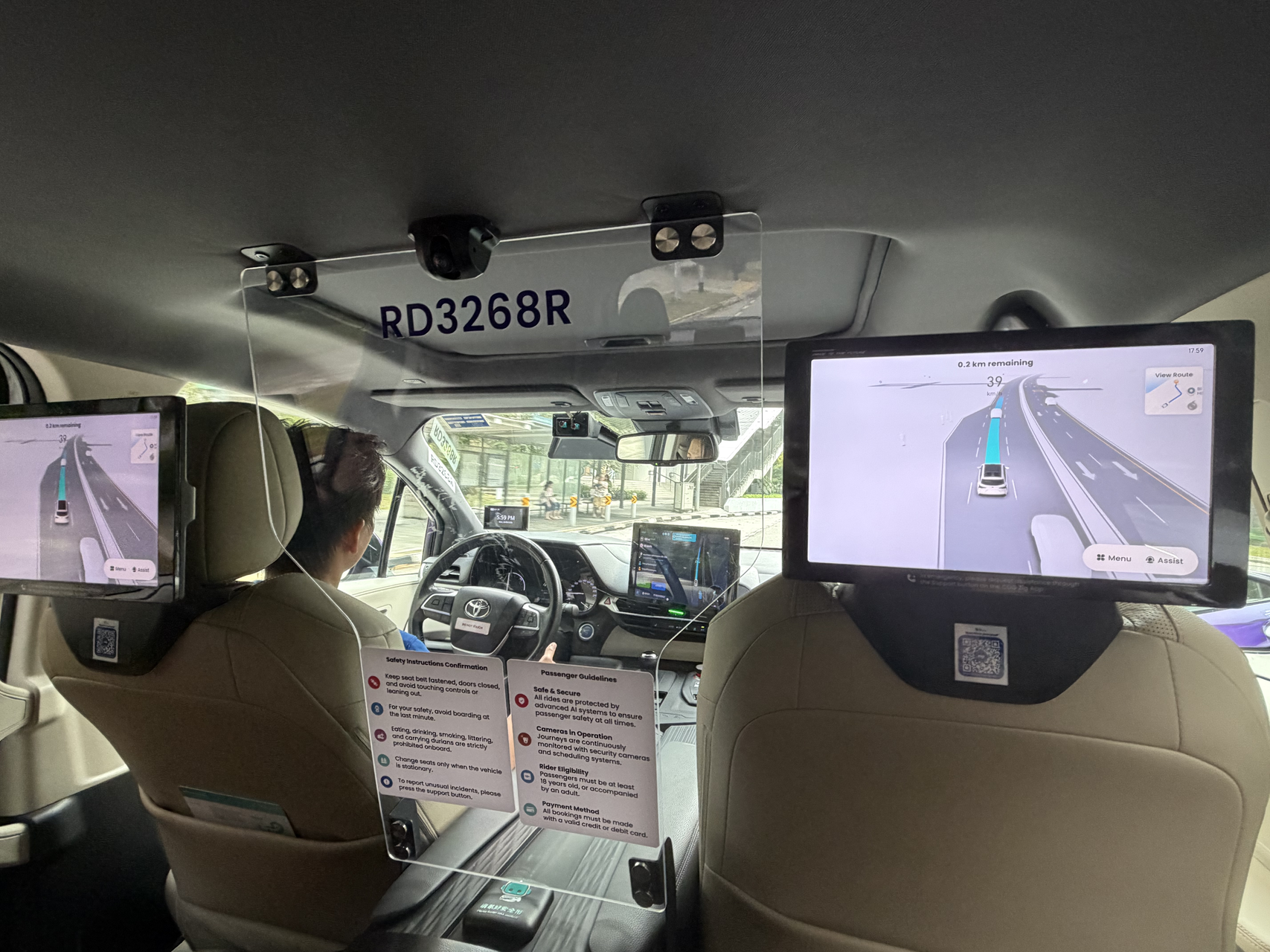
If driverless cars already work, why aren’t they everywhere?

People’s Daily rejects US claims of malicious AI distillation, warns of countermeasures

Databricks to Invest Over US$350 Million in Singapore, Double Its Workforce