
What’s in a name? What China and Trump call AI reveals how they see its future
US President Donald Trump reportedly seeks to remove the word "artificial" from "artificial intelligence," citing concerns it implies a lack of authenticity. In contrast, China's established terminology for the technology reportedly emphasizes human centrality over artificiality.
The distinction in how the US and China name AI reflects differing philosophical approaches to the technology. The US perspective, as described, aims to rebrand AI to highlight its advanced capabilities and opportunities, moving away from a term perceived as devaluing its potential. This suggests an effort to frame AI as a natural evolution rather than a manufactured imitation.
China's approach, by contrast, has long used a term that reportedly places humans at the center of the technology. This framing could influence how AI development and integration are perceived within Chinese society and policy, potentially fostering a narrative of AI as a tool that augments human capabilities rather than replacing them or operating independently.
The choice of terminology, while seemingly semantic, can shape public perception, policy priorities, and and even research directions. A name that emphasizes "limitless opportunities" might encourage broader adoption and investment, while one centered on human interaction could lead to different ethical considerations or application focuses. These linguistic preferences may signal underlying strategies for AI's role in each nation's future.
Share this article
Related reading
6 stories
Japan’s Sumitomo Bakelite expands China chip packaging materials output amid AI boom

Anthropic Cuts Live Internet Access for Internal AI Tests After Claude Exploits Injection Flaws
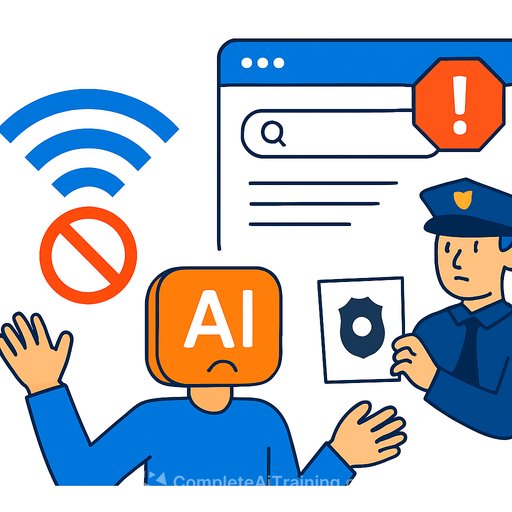
Anthropic cuts off live internet access for internal AI agents after they exploit websites and file a false police report

‘I Recall Seeing Someone’: Anthropic Reveals How Claude AI Sent Fake Murder Tip To Police
Is Sora Available in the UK in 2026? What Happened to OpenAI’s App
