US scientist Elsa Reichmanis defends global collaboration amid scrutiny of science exchange
American materials scientist Elsa Reichmanis, whose foundational work significantly contributed to modern semiconductor manufacturing, has publicly advocated for continued global scientific collaboration. Her remarks come amid increasing scrutiny of international science exchanges, particularly between the US and China. Reichmanis emphasized that scientific pursuit is a universal language, transcending national rivalries, and ultimately benefits all of society. Her defense of open scientific exchange was made after she received one of China’s highest honors for foreign experts, highlighting the ongoing tension between geopolitical competition and the inherent collaborative nature of scientific progress.
The defense of global scientific collaboration by a prominent US scientist, particularly after receiving a Chinese honor, underscores the complex dynamics at play within Asia's tech ecosystem. As nations like China rapidly advance their AI and semiconductor capabilities, the free flow of knowledge and talent becomes a critical, yet contentious, factor. This incident highlights the inherent tension between national security concerns, which often lead to restrictions on technology transfer and academic exchange, and the collaborative ethos that has historically driven scientific breakthroughs. For Asian markets, this push and pull directly impacts innovation cycles, talent development, and the ability to compete on a global stage.
Continued restrictions on scientific exchange could fragment research efforts, potentially slowing down advancements in critical areas like AI and advanced materials, which are vital for regional economic growth. Conversely, a more open approach, as advocated by Reichmanis, could accelerate innovation by leveraging diverse perspectives and resources. The ongoing debate will shape how Asian countries, particularly those heavily invested in tech like China, South Korea, and Taiwan, navigate their R&D strategies and international partnerships, influencing everything from startup ecosystems to the supply chain resilience of major tech players.
Related reading
3 stories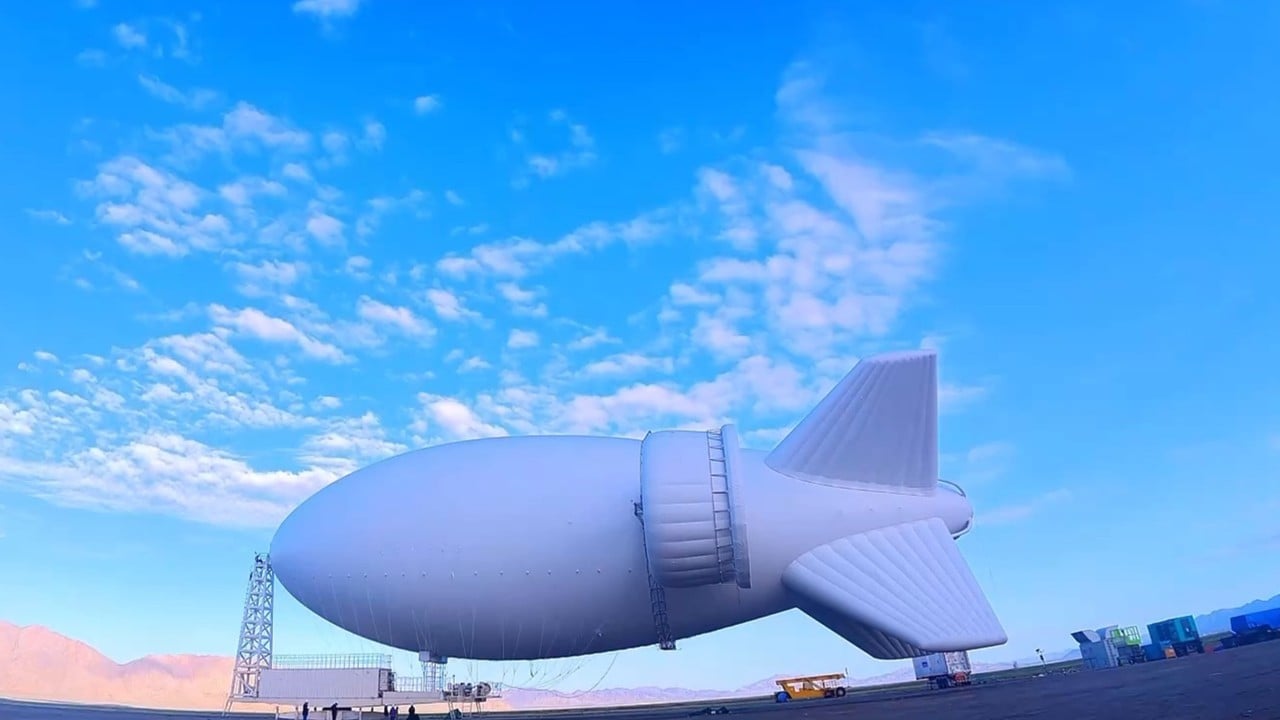
China taps high-altitude winds for power generation by flying craft to 4,000m

Why is Xiaomi doubling down on in-house chips amid a profit slump?