U.S. Sanctions Five Chinese Firms Over Stolen Google AI Secrets
The U.S. government announced sanctions on five Chinese entities, including a startup founded by a former Google engineer, over allegations of stealing Google's Tensor Processing Unit (TPU) trade secrets. The State Department implemented these measures under the Protecting American Intellectual Property Act (PAIPA), citing growing technology tensions with Beijing.
The sanctions stem from accusations against Ding Linwei, a former Google software engineer, who allegedly transferred over 1,000 confidential files related to supercomputing and TPUs to a personal cloud account. He subsequently founded a startup in China, which he marketed as capable of replicating Google's superintelligence infrastructure and raised investment. In September, a court sentenced Ding to 12 months in prison and ordered him to pay restitution, though he was acquitted of economic espionage charges.
This incident highlights the escalating view of advanced technology as a national security matter rather than solely an industrial asset. The U.S. government's actions against these firms, which include asset freezes and transaction bans, reflect a broader trend of tightening restrictions. This perspective is further underscored by the U.S. move to bar federal agencies from using DeepSeek's AI models due to security concerns, and MI5's report suggesting potential links between Chinese AI startup Zhipu AI and China's intelligence agency.
The U.S. government's enforcement measures against Chinese technology companies are widening, extending beyond direct theft allegations to encompass broader security concerns. The focus on AI chips and models, as seen with TPUs and DeepSeek, indicates that the U.S. is scrutinizing the underlying infrastructure and foundational technologies that power AI development, suggesting a sustained effort to control access to critical intellectual property and prevent potential security risks.
Share this article
Related reading
6 stories
China creates state-owned firm in Xiongan to develop nation’s AI data resources
China's strategic response to US tech sanctions includes building its own state-owned AI data infrastructure.

US orders federal agencies to remove China’s DeepSeek AI from their systems
The US government continues to view Chinese AI as a national security risk, as seen in this DeepSeek AI ban.
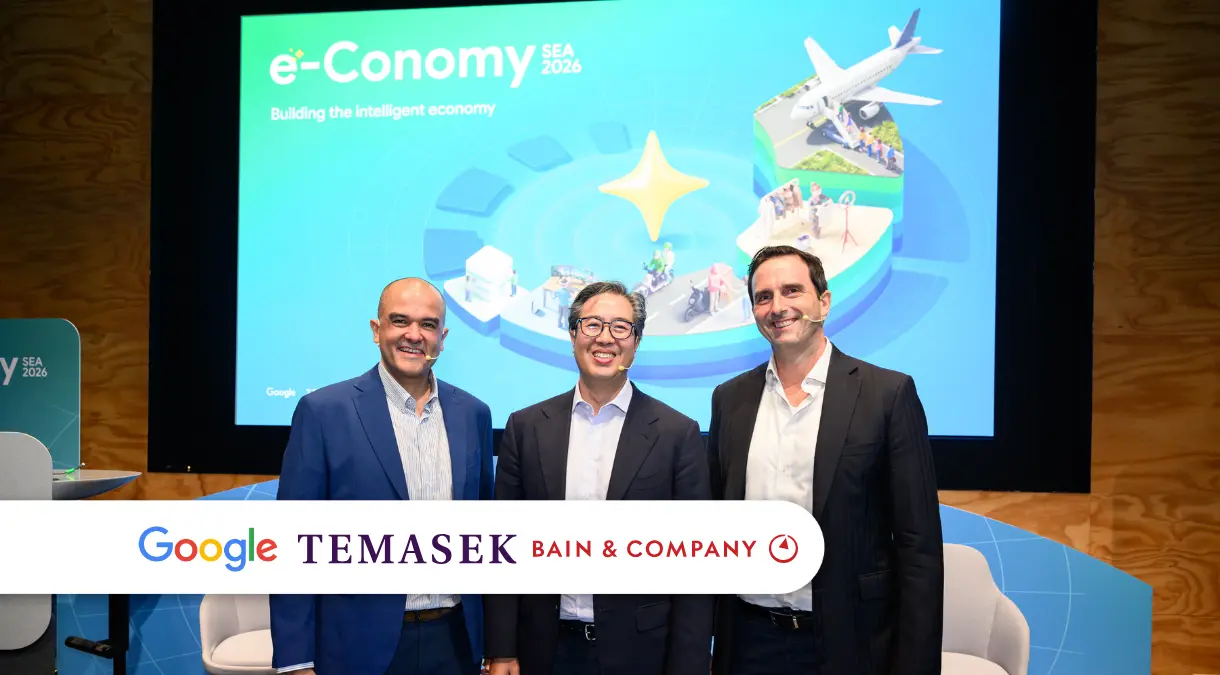
e-Conomy SEA 2026: Singapore Leads in Digital Wealth and AI Use

Standard Chartered, Air India Partner on Wealth and Travel Benefits

OCBC Becomes First Non-Malaysian Bank to Offer Ringgit Savings in Singapore