US does its robotics industry no favours by fencing it off from China
Brendan Carr, chairman of the US Federal Communications Commission (FCC), recently delivered a speech that effectively conceded the US is hindering its own robotics industry. The US strategy of isolating its robotics sector from China is proving detrimental, creating an environment where American innovation struggles to compete globally. This approach, intended to protect national interests, is instead fostering a less competitive and less dynamic domestic industry. The FCC chairman's remarks highlight a growing concern that current US policies are inadvertently undermining the very sectors they aim to strengthen, particularly in advanced technological fields like robotics.
The US policy of fencing off its robotics industry from China carries significant implications for Asia's tech ecosystem. By limiting collaboration and market access, the US risks isolating its own companies from a rapidly expanding and innovative Chinese market, which could accelerate the development of indigenous robotics capabilities within China and other Asian nations. This protectionist stance may inadvertently push Asian countries to deepen their own regional supply chains and R&D partnerships, fostering greater self-reliance and potentially creating new regional leaders in robotics. The long-term effect could be a more fragmented global robotics market, with distinct technological blocs emerging.
For Asian markets, this situation presents both challenges and opportunities. While some may face pressure to choose sides or adapt to dual supply chains, others could capitalize on the void left by reduced US-China collaboration. Countries like Japan and South Korea, with strong existing robotics industries, might find new avenues for growth by catering to markets seeking alternatives to US or Chinese dominance, or by forging stronger intra-Asian partnerships. Ultimately, the US approach could accelerate the shift of the global robotics innovation center of gravity towards Asia, as regional players step up to fill the gaps created by geopolitical tensions.
Related reading
6 stories
Trump Announces Plans for World’s Largest AI Data Center to Beat China
We previously reported on the US strategy to outpace China in AI, including plans for massive data centers.
EU Steps Up Trade Defenses as Chinese Vehicle, Battery Imports Surge
This article echoes the broader US-China trade tensions, which we've covered regarding vehicle and battery imports.

China’s rocket boom turns Hainan into a space hub. Can launches fuel wider growth?

China’s Z.ai raises revenue target 25% after US$5 billion cash injection
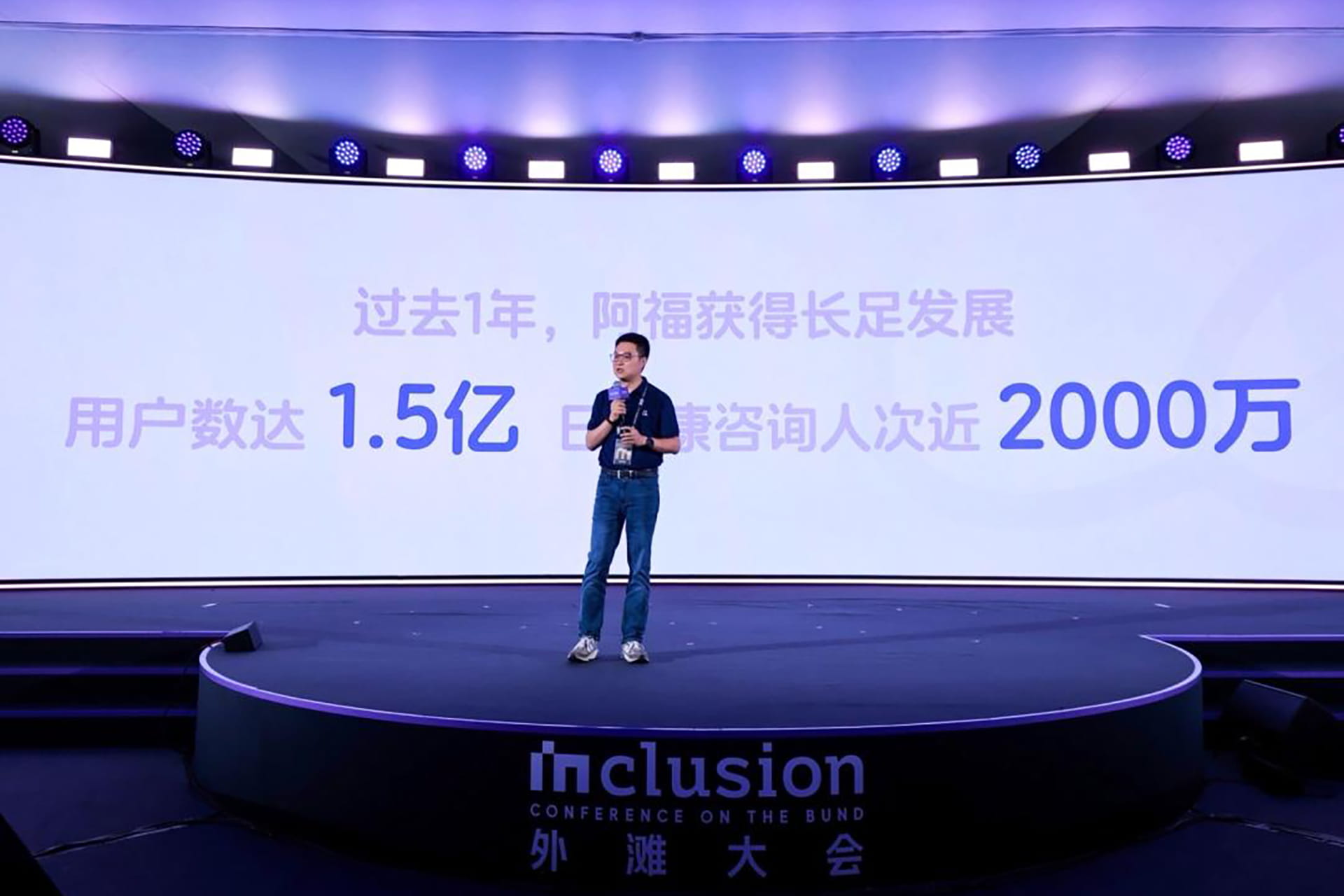
Ant’s AQ expands beyond weight loss as health app reaches 150 million users