US chip curbs split China’s AI field into owners and renters
Washington has introduced new export rules targeting chips, challenging a two-year operational model where China’s leanest AI labs relied on renting computing resources instead of owning them. E27 reports these new US export rules could divide China's AI industry, favoring larger tech companies that possess their own chips, cloud infrastructure, and pre-paid computing capacity.
For the past two years, many of China's smaller artificial intelligence laboratories have operated under a strategy of renting computing chips rather than investing in outright ownership. This approach allowed these "leanest AI labs" to access necessary processing power without the substantial capital expenditure required for hardware acquisition, effectively making a bet that chip ownership was not essential.
However, this established model is now facing a significant shift. New export rules from the United States are reported to be directly impacting this rental-based strategy, with E27 noting that Washington has "just called that bet." The specifics of these new rules are not detailed in the report, but their reported effect is a potential restructuring of China's AI sector.
E27 reports that this policy change could divide China's artificial intelligence industry into two distinct segments. The implication is that access to critical computing resources, previously flexible through rental agreements, may become a more rigid requirement for operations. This shift challenges the premise that one does not need to own chips if they can be rented.
The new rules are said to favor China's larger technology giants. These companies typically possess extensive resources, including their own chip inventories, proprietary cloud computing infrastructure, and substantial prepaid computing capacity. This ownership model would give them a distinct advantage under the new regulatory environment, potentially consolidating operational capacity within larger, vertically integrated corporations.
The precise mechanism by which the US export rules affect chip rental agreements, or the timeline for these impacts to fully materialize across China's AI labs, is not detailed. However, the reported effect suggests that the ability to own rather than rent key hardware may become a determinant for the survival and growth of AI development in China.
Share this article
Related reading
6 stories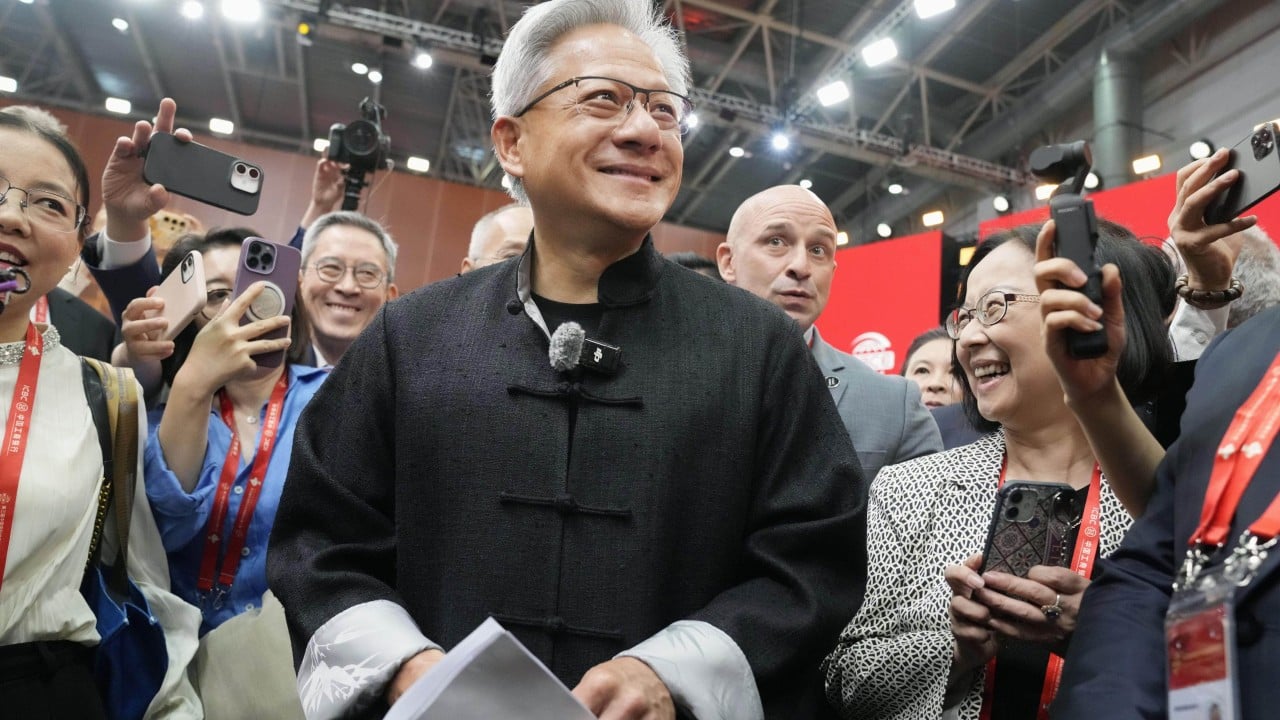
Nvidia’s Jensen Huang is back – but will he still be a regular visitor to China?
We explored Jensen Huang's visits to China, a key player in the chip landscape this article discusses.
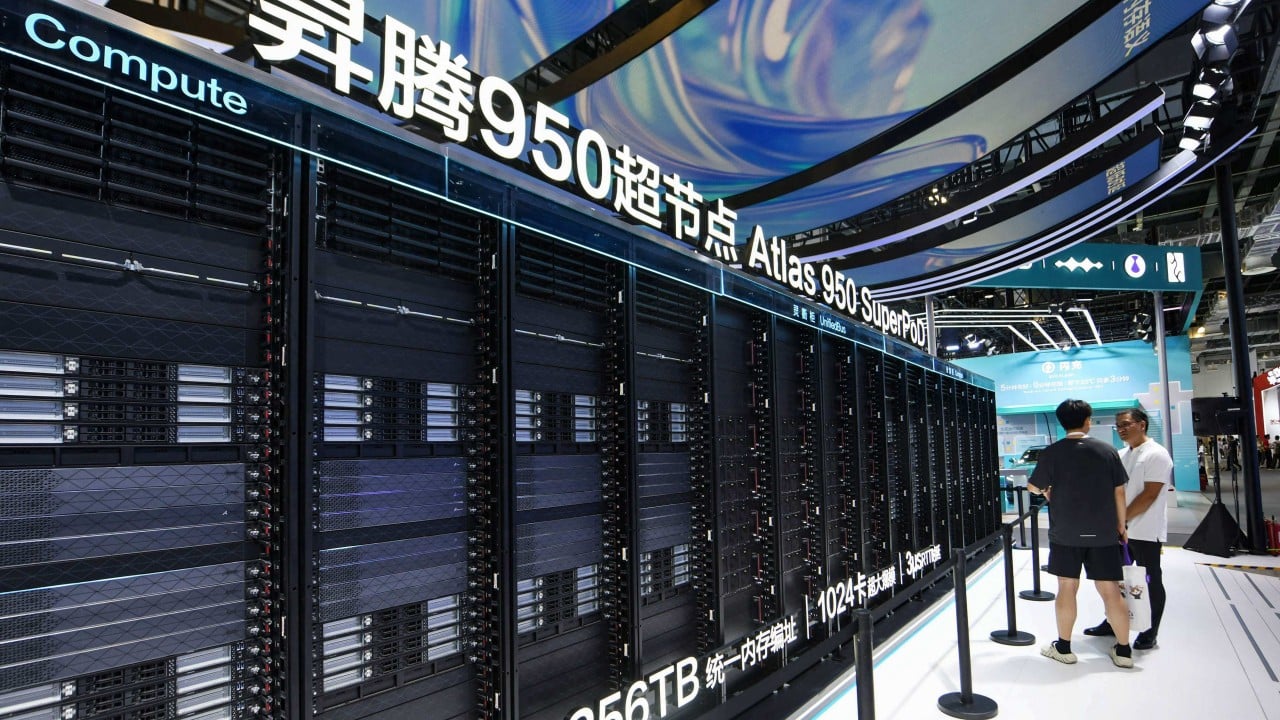
Huawei forms patent teams for chips and AI, eyeing ecosystem to rival Nvidia
Huawei's patent teams for chips and AI show another facet of China's strategic response to US curbs.

DeepSeek is China’s latest developer to worry about losing control of AI

SurveySparrow launches MCP server to build and manage surveys inside Claude and ChatGPT

Why More MPs and MLAs in This AI Era?