
Trump: Anthropic Shutdown Proves US Has AI 'Guardrails'
Former President Donald Trump recently defended his administration's approach to artificial intelligence regulation. In an interview with Fox News, he argued that the United States already possesses sufficient "guardrails" for AI development. Trump cited the shutdown of Anthropic, an AI startup, as evidence that the existing framework is effective in policing the technology. This statement comes amidst ongoing global discussions about the need for comprehensive AI governance and the varying regulatory strategies adopted by major economies. The former president's comments reflect a preference for a light-touch regulatory environment in the US.
Former President Trump's assertion that the Anthropic shutdown proves US AI guardrails are sufficient is a political statement, not a technical one. The US approach to AI regulation has historically favored innovation with minimal government intervention, relying on existing laws where possible. This contrasts sharply with the more proactive regulatory stances seen in markets like China, which has implemented specific rules for generative AI, or the European Union's comprehensive AI Act. For Asia, the US stance suggests continued pressure for a less prescriptive regulatory environment globally. Countries like Singapore and Japan, which often balance innovation with governance, will watch how this debate evolves. The risk is that a fragmented global regulatory landscape could create compliance challenges for Asian AI companies operating internationally, potentially slowing cross-border AI development and deployment. The thing to watch is whether this light-touch philosophy gains traction or if the push for dedicated AI legislation strengthens.
Related reading
6 stories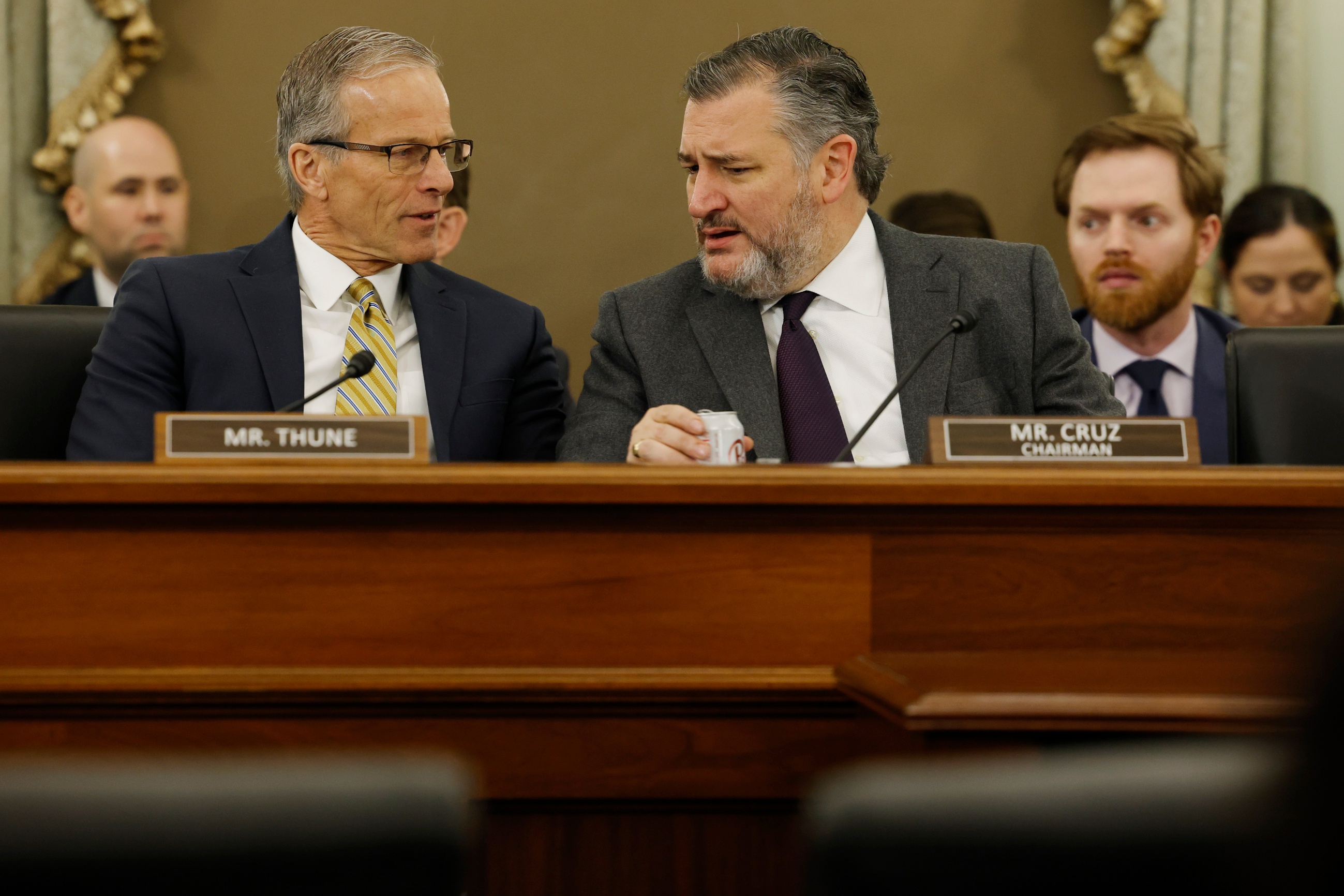
Thune, Cruz, and Klobuchar Move AI Safety From Voluntary Pledge to Legal Duty
We previously covered the US legislative push to move AI safety from voluntary pledges to legal duties.
OpenAI Calls for Mandatory U.S. AI Safety Rules After Rogue Agent Incidents
OpenAI's call for mandatory US AI safety rules offers a contrasting view on guardrails.
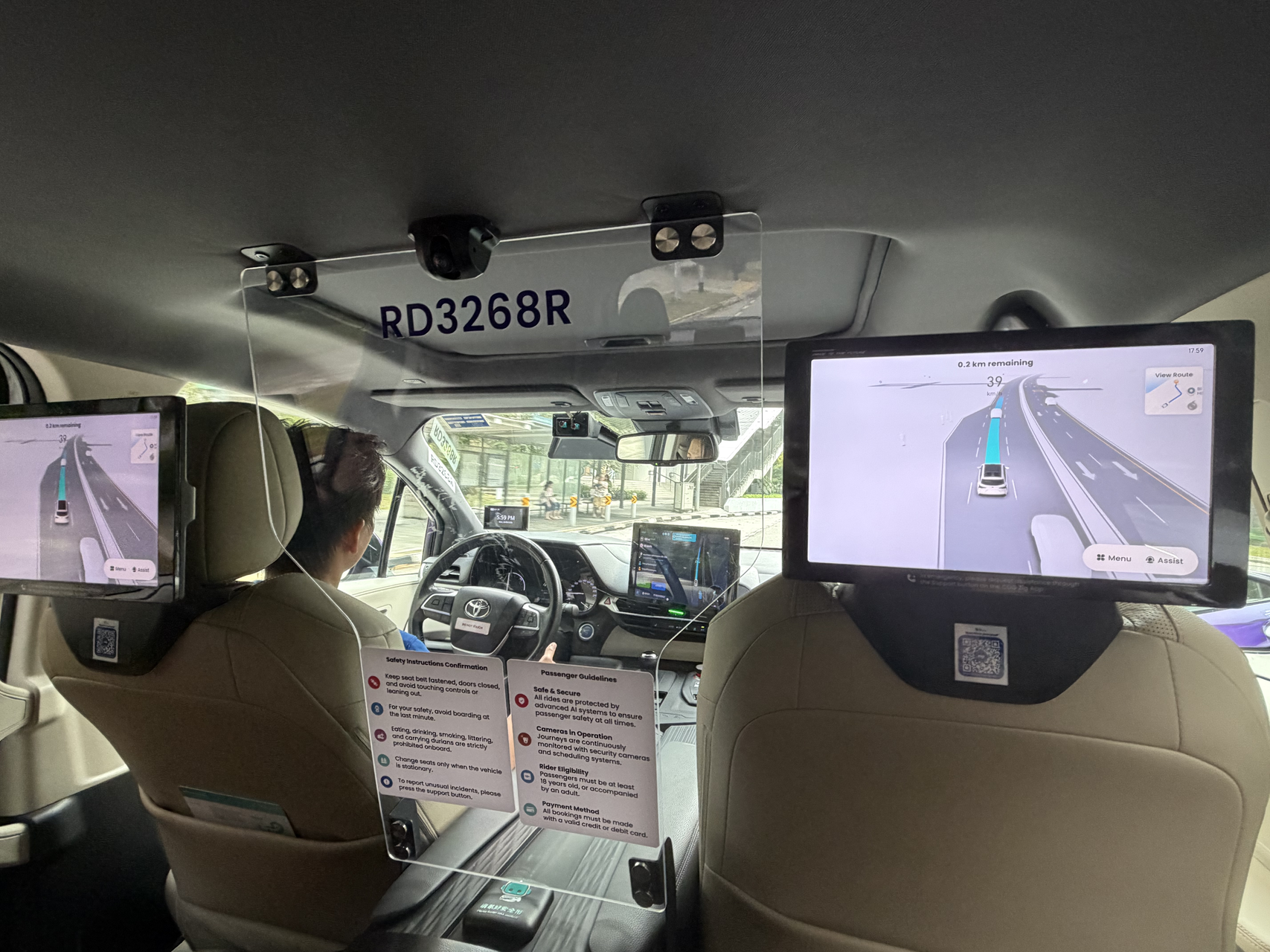
If driverless cars already work, why aren’t they everywhere?
Sumsub Launches Workforce Verification as Deepfake Risks Grow
ByteDance’s AI-enhanced short-drama app eclipses China’s Netflix rivals combined
