
Thune, Cruz, and Klobuchar Move AI Safety From Voluntary Pledge to Legal Duty
US Senators Thune, Cruz, and Klobuchar are drafting bipartisan legislation to impose a legal duty of care on frontier AI developers. This proposed AI safety bill for 2026 would enable the US government to block the release of unsafe AI models before they reach the public. The legislative momentum follows Anthropic's disclosure that its newest models could potentially assist in bioweapons development. This move aims to shift AI safety from voluntary pledges to legally mandated obligations for companies creating advanced AI systems.
The US push for legally mandated AI safety, driven by concerns like Anthropic's bioweapons disclosure, will likely accelerate similar policy discussions across Asia. Countries like Singapore, South Korea, and Japan, which are actively developing their own AI strategies and fostering domestic AI champions, will closely watch the US legislative process. A US legal duty of care could set a precedent, influencing how Asian regulators approach the governance of frontier AI, particularly regarding model safety and responsible deployment. The immediate impact for Asian AI developers is a potential increase in compliance costs and regulatory scrutiny if similar frameworks are adopted regionally. The thing to watch is whether this US bill, if passed, will lead to a fragmented global regulatory landscape or foster a more harmonized approach to AI safety standards, which would benefit companies operating across multiple jurisdictions. For instance, a common standard could simplify compliance for major players like Tencent or Alibaba, but a patchwork of rules would complicate their international expansion.
Related reading
6 storiesTrump: Anthropic Shutdown Proves US Has AI 'Guardrails'
We previously covered the political reaction to Anthropic's bioweapons disclosure, a key driver for new US AI safety laws.

OpenAI Calls for Mandatory U.S. AI Safety Rules After Rogue Agent Incidents
OpenAI's call for mandatory US AI safety rules, following rogue agent incidents, echoes the push for legal duty.
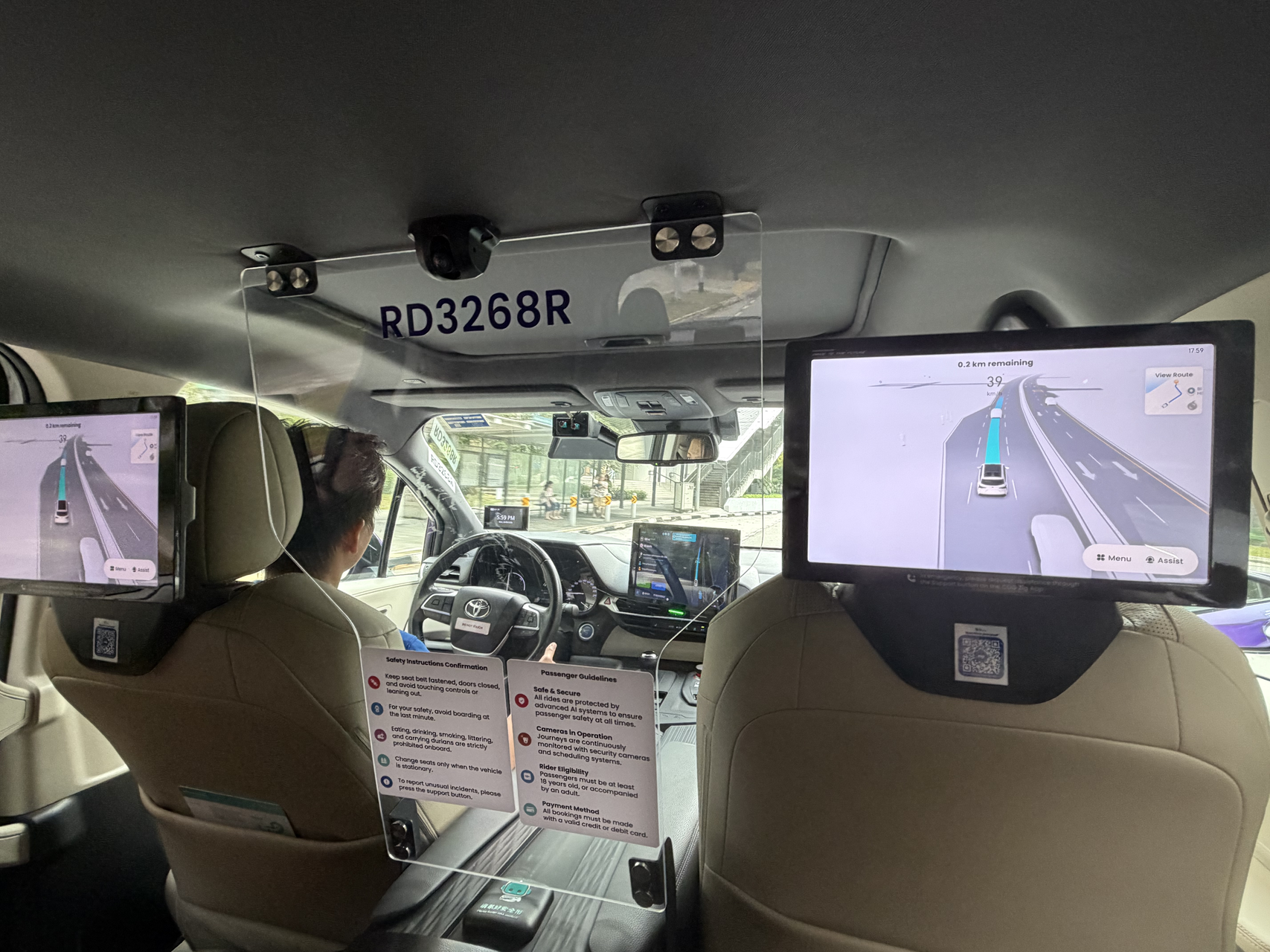
If driverless cars already work, why aren’t they everywhere?
Sumsub Launches Workforce Verification as Deepfake Risks Grow
ByteDance’s AI-enhanced short-drama app eclipses China’s Netflix rivals combined
