[Today’s Signal] Intel’s Revival Brings State Capital Into the AI Chip Race
The competitive landscape of the AI semiconductor industry is undergoing a significant transformation. Historically, key players like TSMC, Samsung Electronics, Intel, and SK hynix primarily vied for market share through technological innovation, manufacturing capacity, and substantial capital investments. However, a new dynamic emerged on August 22 last year when the U.S. government committed an $8.9 billion investment in Intel. This strategic move, which grants the government an approximate 9.9% stake, introduces state capital directly into the high-stakes AI chip race. This shift signals a broader trend where national interests and government backing are becoming crucial factors alongside traditional market forces in shaping the future of semiconductor development.
The entry of state capital into the AI chip race, exemplified by the U.S. government's investment in Intel, marks a pivotal shift in global semiconductor dynamics that will profoundly impact Asia. For years, Asian giants like TSMC, Samsung, and SK hynix have dominated through sheer technological prowess and manufacturing scale. This new model, where national governments directly back domestic champions, could intensify competition and potentially lead to a more fragmented global supply chain, as countries prioritize self-sufficiency and strategic control over critical technologies.
This development compels Asian nations to re-evaluate their own strategies for fostering domestic semiconductor industries. While South Korea and Taiwan already possess world-leading capabilities, countries like Japan and China are actively pursuing their own national champions and investing heavily in R&D and manufacturing. The Intel deal could accelerate these efforts, leading to increased government subsidies, R&D collaborations, and potentially, trade tensions as nations jockey for technological supremacy. For Asia, this means a future where geopolitical considerations are as critical as market forces in determining the winners and losers in the AI chip sector.
Related reading
6 stories
Trump Announces Plans for World’s Largest AI Data Center to Beat China
We previously covered how national governments are directly backing domestic champions in the AI race.
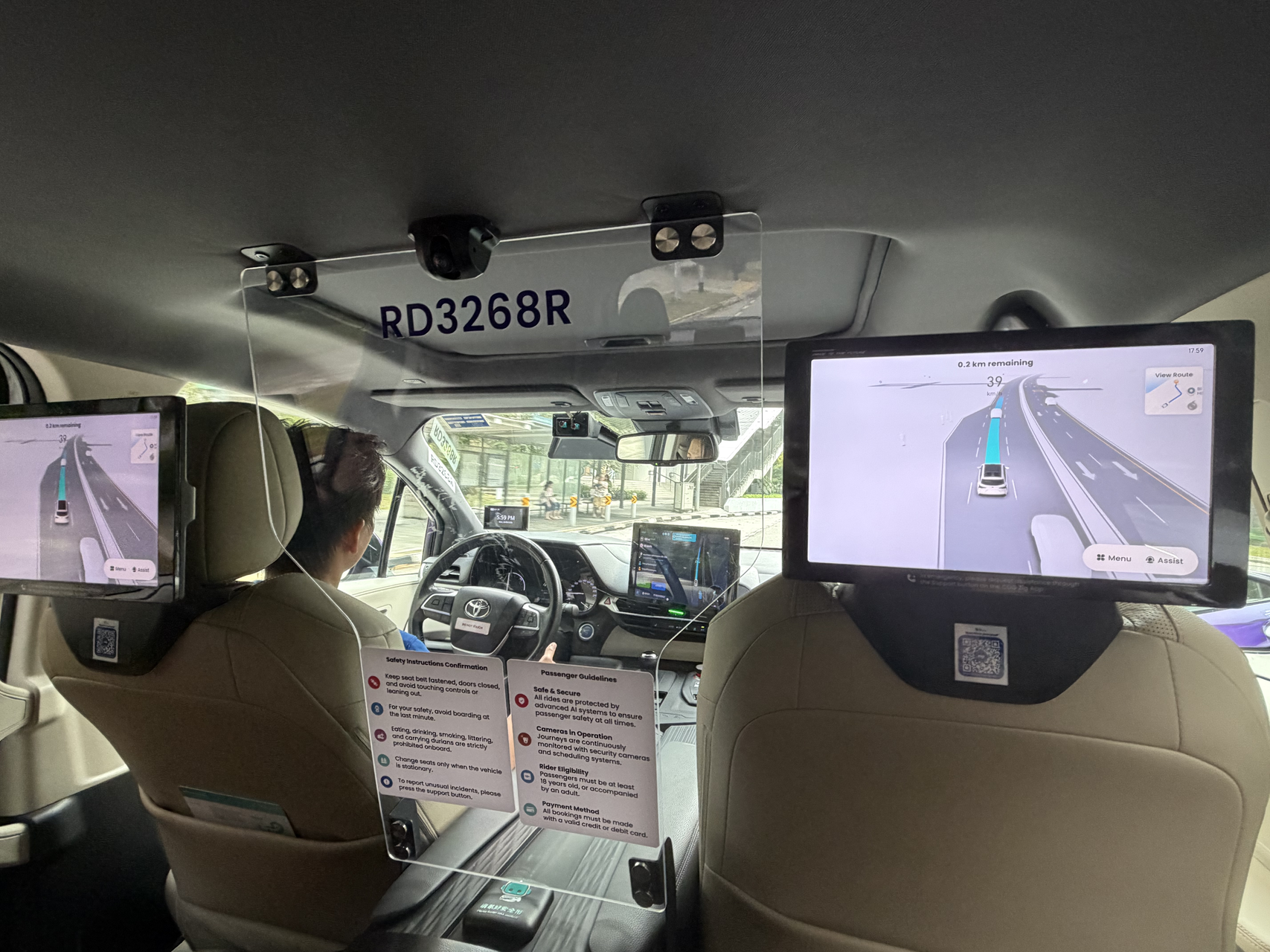
If driverless cars already work, why aren’t they everywhere?

Sumsub Launches Workforce Verification as Deepfake Risks Grow
ByteDance’s AI-enhanced short-drama app eclipses China’s Netflix rivals combined

Timo Joins Top 10 Banks in Vietnam by Customer Satisfaction