TikTok ads use AI clones of popular figures Dewy Choo, Zhang Linghe to target S’poreans
AI-generated clones of popular figures Dewy Choo and Zhang Linghe are being used in TikTok advertisements to target consumers in Singapore. These deepfake advertisements exploit the identities of these well-known personalities without their consent, promoting various products to Singaporean TikTok users. This incident highlights a growing concern regarding the misuse of AI technology for deceptive marketing practices and identity theft on social media platforms. The unauthorized use of celebrity likenesses raises significant questions about digital rights, platform accountability, and consumer protection in the age of advanced AI. Authorities and platforms are increasingly challenged to address the ethical and legal implications of such sophisticated scams.
The emergence of AI-generated celebrity clones in TikTok ads targeting Singaporean consumers underscores a critical and evolving challenge for Asia's digital economy. This incident is not merely about deceptive advertising; it represents a significant escalation in the sophistication of online scams, leveraging advanced AI to create highly convincing deepfakes. For social media platforms operating across Asia, this necessitates a rapid enhancement of their content moderation capabilities, moving beyond traditional keyword and image recognition to more advanced AI-driven detection of synthetic media. The reputational and financial risks for platforms that fail to adequately address this issue are substantial, potentially eroding user trust and inviting stricter regulatory scrutiny across the region.
Furthermore, this trend has profound implications for intellectual property rights and personal branding in the digital age. As AI tools become more accessible, the unauthorized replication of public figures' likenesses will likely become more prevalent, creating a complex legal landscape for celebrities, influencers, and their management. Asian governments and regulatory bodies will need to consider new frameworks and legislation to protect individuals from identity exploitation, balancing innovation with the imperative to safeguard digital rights and consumer welfare. This incident serves as a stark reminder of the dual nature of AI: a powerful tool for progress, but also a potent instrument for fraud and manipulation, demanding a concerted, multi-stakeholder response.
Related reading
6 stories
Why Tesla chose ByteDance’s Doubao for its AI push in China
This story highlights how major platforms like ByteDance are integrating AI, a key player in the deepfake challenge.
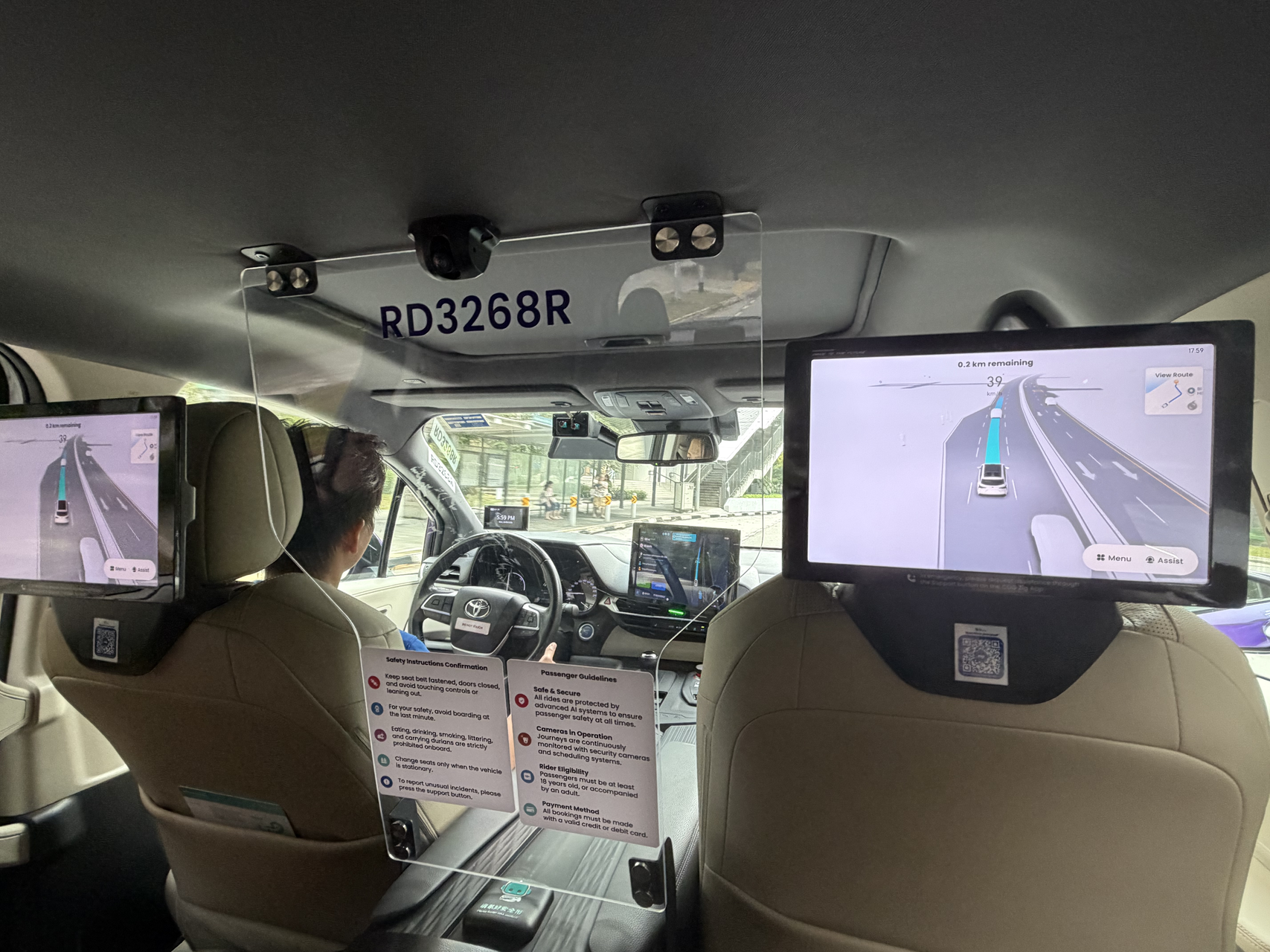
If driverless cars already work, why aren’t they everywhere?

People’s Daily rejects US claims of malicious AI distillation, warns of countermeasures

Databricks to Invest Over US$350 Million in Singapore, Double Its Workforce

Sumsub Launches Workforce Verification as Deepfake Risks Grow