
Why Tesla chose ByteDance’s Doubao for its AI push in China
Tesla China has begun rolling out an in-car software update that integrates ByteDance’s Doubao large language model into its infotainment system. This marks the first time Tesla has incorporated a third-party LLM in China, a significant shift for a company known for in-house AI development. The update is being delivered in batches to Model 3, Model Y, Model S, and Model X vehicles. Doubao functions as a standalone app, offering conversational AI capabilities and real-time internet access, addressing a longstanding weakness in Tesla’s intelligent cockpit compared to local Chinese EV makers like Nio and Li Auto.
Tesla’s decision to integrate ByteDance’s Doubao LLM into its China vehicles reflects a pragmatic localization strategy, directly addressing a competitive gap in intelligent cockpit features. While Tesla has historically favored in-house AI development, its voice assistant capabilities in China have lagged behind domestic EV makers such as Nio and Li Auto. Doubao’s conversational abilities and real-time internet access aim to close this gap, offering features like travel guidance and spoken-language practice that Tesla’s previous command-driven system lacked. The partnership also highlights ByteDance’s growing influence in the automotive sector, with its Volcano Engine unit already deployed in over seven million vehicles. Doubao’s end-to-end speech model, low latency, and Volcano Engine’s automotive engineering experience were key factors in Tesla’s choice. The integration suggests a potential two-part AI system for Tesla in China, where Doubao manages cockpit interaction while Full Self-Driving (FSD), if widely available, handles driving. This could evolve into a broader localized AI strategy, moving Doubao beyond a standalone app to coordinating vehicle functions, similar to agent-based architectures seen in other Chinese automotive collaborations. The real story is not just about a new feature, but Tesla’s adaptation to the highly competitive Chinese EV market. As domestic competitors like Xiaomi and Geely increasingly embed LLMs, Tesla’s move with Doubao is a necessary step to maintain relevance and appeal to Chinese consumers who prioritize advanced cockpit experiences. The success of this integration and the potential broader role of Doubao in Tesla’s China strategy will be a key indicator for how global automakers navigate local AI ecosystems.
Related reading
6 stories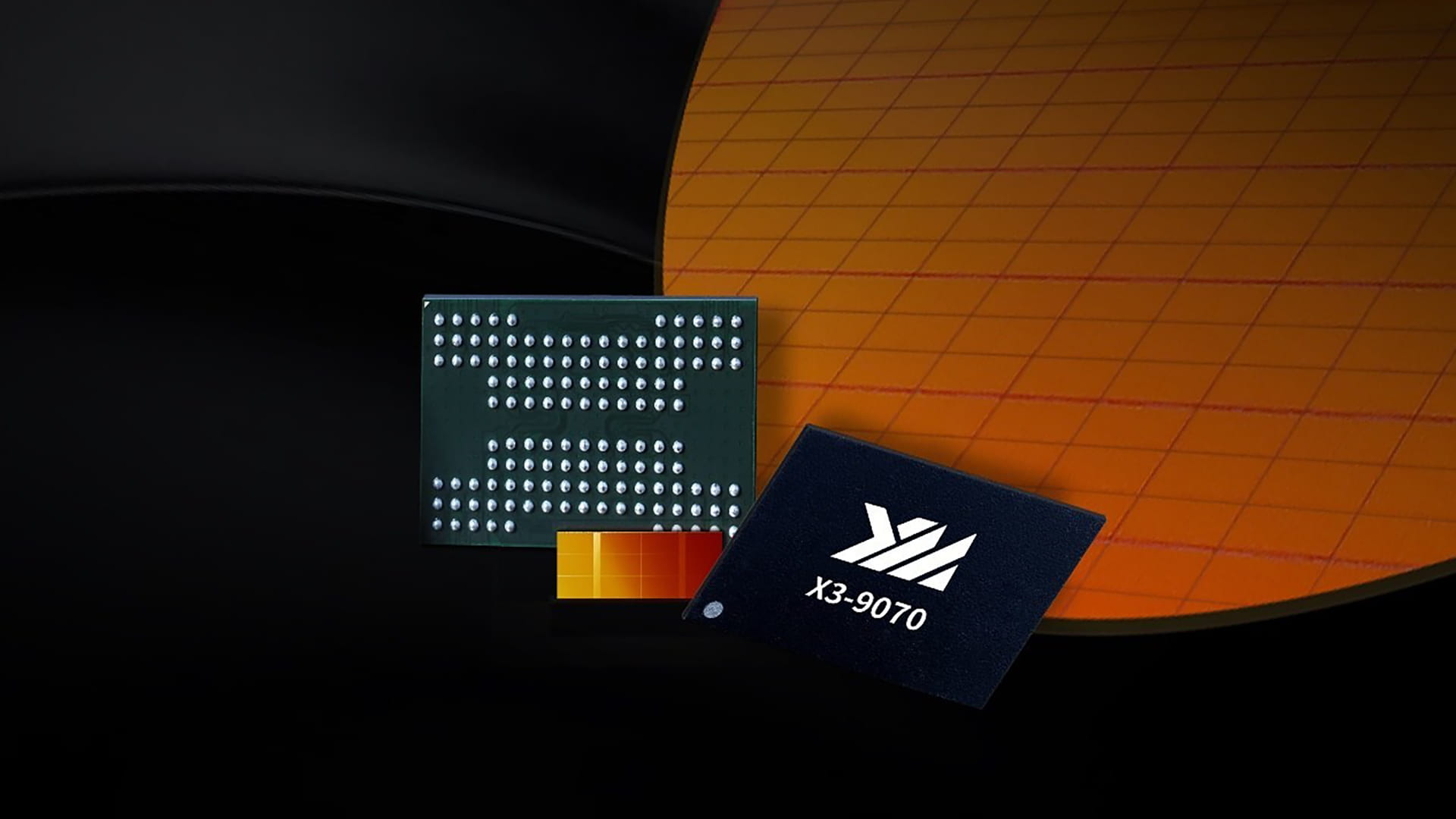
YMTC parent seeks USD 4.9 billion Shanghai IPO on AI memory boom
The AI memory boom driving YMTC's IPO shows the broader investment landscape for AI infrastructure in China.
People’s Daily rejects US claims of malicious AI distillation, warns of countermeasures

Databricks to Invest Over US$350 Million in Singapore, Double Its Workforce
ByteDance’s AI-enhanced short-drama app eclipses China’s Netflix rivals combined

Personetics Launches AI Banking Console for Relationship Managers
