The Sequence Radar - Issue 936: Last Week in AI: Gemini Talks, Astra Practices Law, Figure Folds Laundry, and Crusoe Powers It All
Google upgraded its Gemini models with Live and Live Extended Thinking, focusing on real-time conversational AI that integrates visual context and background tool calls. OpenAI introduced Astra for Law, a specialized GPT-6 model for legal workflows, reporting 54% correctness on a private Legal Research Bench validation set. Figure tested its Helix 2.5 robot in 30 unseen homes, achieving 56% complete-task success for tidying and bed making. These developments reflect the increasing demand for AI infrastructure, with Crusoe closing an initial Series F funding round at a $30.9 billion post-money valuation.
The core story centers on connecting intelligence to its operating environment, rather than new AI models alone. Google’s Gemini 3.8 Live models prioritize conversational control, coordinating dialogue and computation without user waiting. OpenAI’s Astra for Law shows that specialized information environments improve model performance, achieving 54% correctness in legal research. Figure’s Helix 2.5 demonstrates physical generalization, moving from 9% to 56% task success in new homes by leveraging human-behavior datasets.
For Asia, this means a sharper focus on specialized AI applications beyond general models. Companies in markets like Singapore and South Korea, which are investing heavily in smart city and advanced manufacturing initiatives, will see increased demand for agents that perform specific tasks. The test for regional players is whether they can build domain-specific intelligence, not just replicate large language models. This also drives demand for compute infrastructure across the region, benefiting data center operators and energy providers.
The thing to watch is the remaining failure rates. Figure’s robot still failed 44% of the time in unfamiliar homes. OpenAI’s legal model reached 54% correctness, far from dependable autonomy. This indicates significant work remains in bridging the gap between impressive demonstrations and reliable real-world deployment. The next chapter for Asian AI will reward practical integration, not just raw model size.
Related reading
6 stories
Chinese regulator drafts rules to protect teenagers from ‘intimate’ AI companions
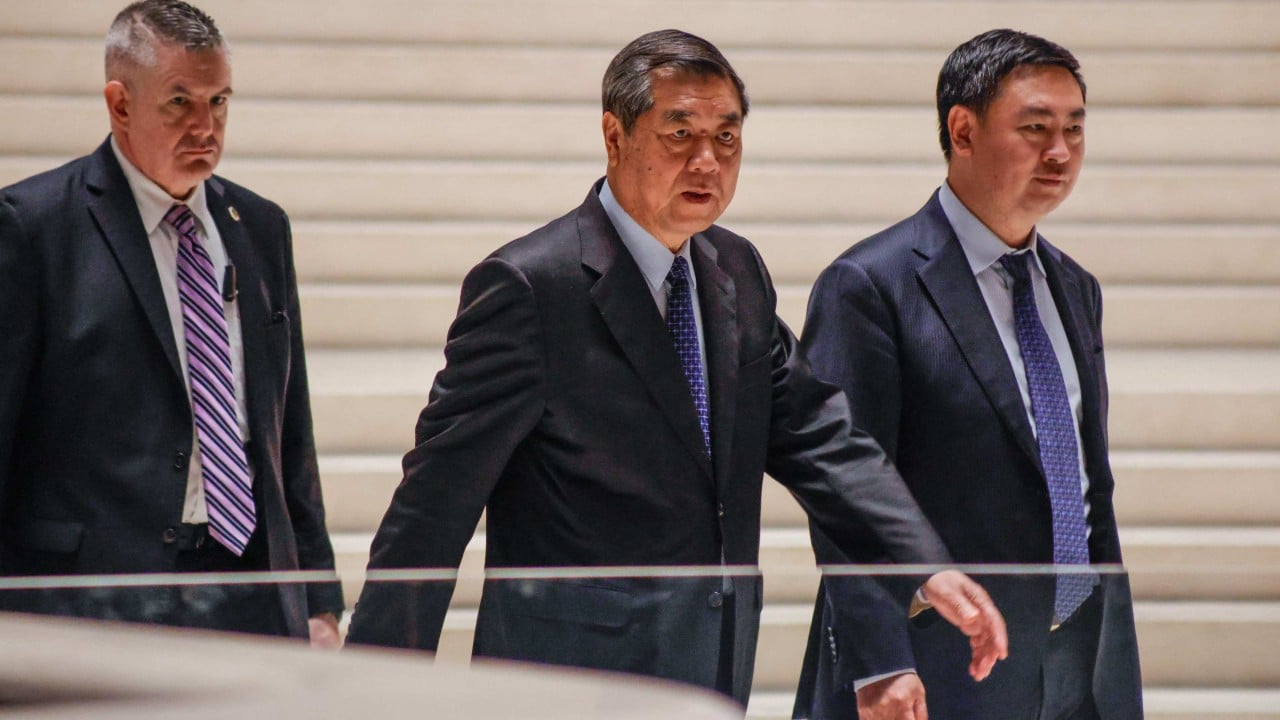
US, China agree AI dialogue ahead of Trump-Xi summit

Neither the US nor China can win the AI race alone, BofA analyst says

StashAway Becomes First Investment Platform to Join yuu Rewards Club

Trust Freedom Card Adds Miles Rewards With KrisFlyer and HeyMax