The Sequence Radar-Issue #923: Last Week in AI: AI’s Industrial Turn
The AI industry is shifting its focus from model development to the underlying infrastructure and industrial systems. This transition is exemplified by several major developments, including NVIDIA's reported $12.9 billion agreement to acquire Hugging Face, a key platform for open-model ecosystems. Anthropic has also reportedly secured a $45 billion, six-year deal with NScale for power-plant-scale compute capacity, reflecting the massive energy demands of frontier AI. Additionally, a16z launched a new $1.1 billion Machine Age fund, targeting investments in chips, memory, networking, data centers, robotics, and energy infrastructure. These moves collectively point to a new phase where ownership, power, and capital in physical systems are becoming central to AI's industrialization.
The reported $12.9 billion acquisition of Hugging Face by NVIDIA, if confirmed, would give the chip giant significant control over the AI distribution layer, complementing its existing dominance in computational hardware. This vertical integration could accelerate AI development but also raises questions about the neutrality of Hugging Face, a platform critical for open-model ecosystems across Asia. Developers in markets like South Korea and India, who rely on open-source models, will be watching closely to see how this impacts access and integration. Anthropic's $45 billion, six-year agreement with NScale for 460 megawatts of power highlights the immense infrastructure demands of advanced AI. This shift from purchasing cloud credits to securing utility-scale energy treaties means Asian frontier AI labs must increasingly consider themselves as hybrid software, utility, and infrastructure-finance operations. The scaling laws of AI now extend into real estate, debt, and depreciation, directly impacting the capital expenditure and operational strategies for major AI players in regions like Singapore and China. a16z's $1.1 billion Machine Age fund, focused on physical systems like chips and data centers, underscores a broader investment trend. This signals that the next wave of AI innovation, particularly in hardware and energy, will require substantial capital. For Asian hardware manufacturers and data center operators, this represents a significant opportunity, but also a challenge to meet the escalating demands for specialized infrastructure and sustainable power solutions.
Share this article
Related reading
6 stories
OpenAI will pull its models from Cursor due to SpaceXAI acquisition
OpenAI's decision to pull models from Cursor due to the SpaceXAI acquisition shows similar concerns about platform neutrality.

Sony Music, Warner accuse Anthropic of ‘blatant theft’ in major new lawsuit
Anthropic's legal challenges over data use highlight the broader issues of AI development and intellectual property.

Mastercard Launches AI Assistant to Simplify Card Benefits
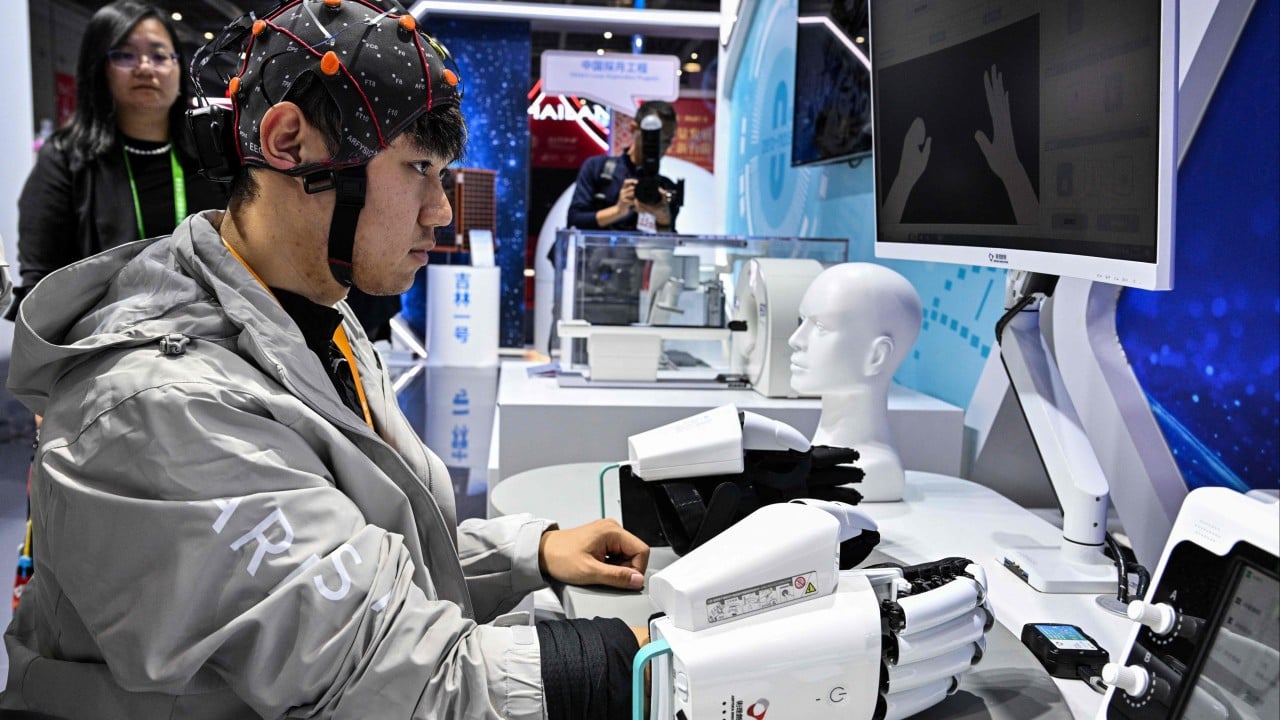
China moves to set global standards for brain-computer interface technology

Visa Tests AI-Powered Business Payments, Introduces New Fraud Controls