The humble typewriter keeps clacking despite the digital takeover
Despite the digital revolution, manual typewriters continue to be relevant in certain niches, particularly in India. Typewriting institutes, though fewer in number than in previous decades, persist in cities like Chennai (formerly Madras). These institutions are supported by a network of mechanics who maintain old machines, ensuring their continued operation. Proponents argue that typewriters offer a unique advantage in mastering typing skills that computers cannot replicate. This enduring presence highlights a fascinating intersection of tradition and technology in a rapidly digitizing world.
The continued relevance of typewriters in parts of Asia, particularly India, offers an interesting counter-narrative to the pervasive digital transformation. While seemingly a niche, the persistence of typewriting institutes and the mechanics who service these machines points to underlying market dynamics and cultural factors. It suggests that for certain foundational skills, or perhaps for specific learning methodologies, older technologies are perceived to offer distinct advantages that digital alternatives have yet to fully replicate. This is not merely nostalgia but a practical assessment of pedagogical effectiveness, especially in a region where access to digital tools might still be uneven or where traditional learning methods hold significant sway.
From a broader tech ecosystem perspective, this phenomenon underscores the idea that technological adoption is rarely absolute or uniform. It highlights the importance of understanding local contexts and user needs, which can sometimes lead to the sustained use of what might otherwise be considered obsolete technology. For startups and tech companies operating in Asia, this serves as a reminder that innovation doesn't always mean outright replacement; sometimes, it involves understanding and integrating with existing practices, or recognizing where digital solutions still fall short in specific use cases. It also points to the resilience of a 'repair and reuse' economy, which has significant implications for sustainability and resource management within the tech sector.
Related reading
6 stories
Apple’s latest Mac Mini runs on a new M6 chip, and starts at $899
The digital takeover continues, with Apple's latest Mac Mini showcasing the relentless march of new technology.

Anthropic merges Claude chat and Cowork in one interface

Threads’ new features let podcasters promote shows and reach listeners

ViewSonic expands Pro AV portfolio in India with new LED displays, monitors and Google TVs: All details
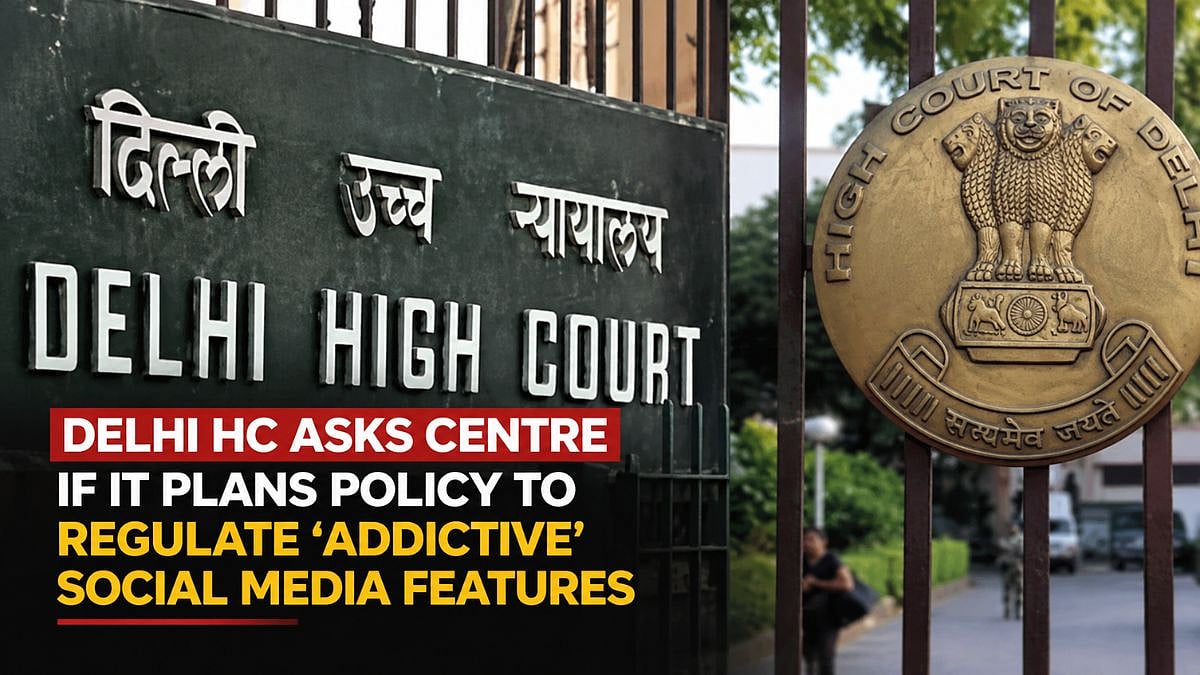
Delhi HC Asks Centre If It Plans Policy To Regulate ‘Addictive’ Social Media Features