
Tencent profit dips as sixfold increase in AI infrastructure spending sacrifices margin
Tencent Holdings dramatically increased its capital spending in the third quarter, investing more than US$12 billion, a sixfold increase, into computing power for artificial intelligence. This strategic outlay led to a 6 per cent year-on-year drop in adjusted net income, reaching 66.5 billion yuan (US$10 billion) for the three months ended September 30.
In the third quarter, Tencent Holdings committed over US$12 billion to capital expenditure, a more than sixfold increase compared to the previous year. This substantial investment was specifically directed towards enhancing the company's computing power, a move aimed at bolstering its position in China's highly competitive artificial intelligence landscape.
The financial impact of this strategic spending was evident in Tencent's performance for the three months ending September 30. Adjusted net income fell by 6 per cent year on year, settling at 66.5 billion yuan (US$10 billion). This outcome matched the consensus estimates provided by analysts polled by Bloomberg. Furthermore, the significant capital outlay also put pressure on the company's free cash flow.
Despite the increased spending and its effect on profitability, Tencent reported an 8 per cent rise in revenue, reaching 207. While the specific unit for this revenue figure is not provided, the increased investment in computing power suggests a strategic prioritization of long-term AI infrastructure and capabilities over immediate short-term profit margins. Such investments typically involve acquiring advanced hardware, like graphics processing units, which are fundamental for training and deploying complex AI models and systems.
Tencent's decision to pour resources into computing power underscores the intense competition among Chinese tech giants to develop advanced AI. Building out this foundational infrastructure is a prerequisite for developing sophisticated AI applications and services, requiring immense computational capacity. The company's financial results reflect the current trade-off between aggressive investment in a strategic area and its immediate impact on earnings.
Share this article
Related reading
6 stories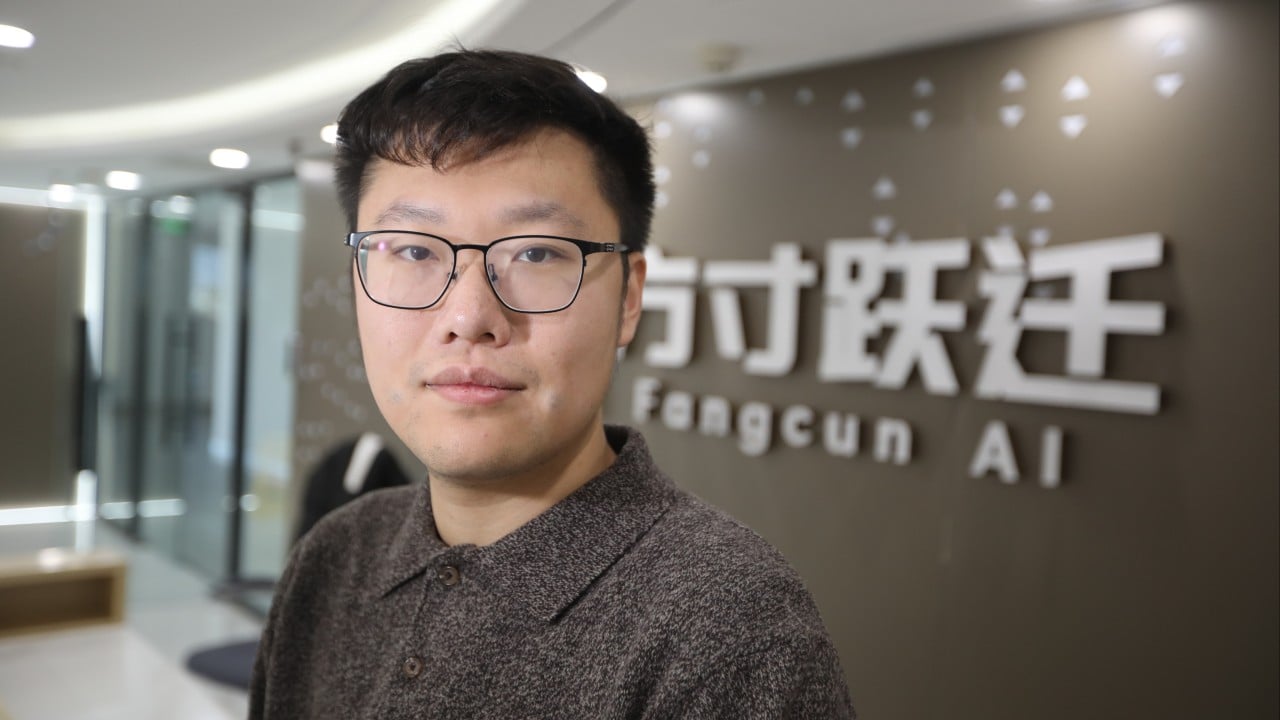
How a Tsinghua spin-out became China’s first commercial AI safety watchdog
We previously explored how a Tsinghua spin-out became China’s first commercial AI safety watchdog.

NETS Explores a Way for AI Agents to Pay at Singapore Shops

OCBC Aims to Train 20,000 Small Business Owners and Staff for Free
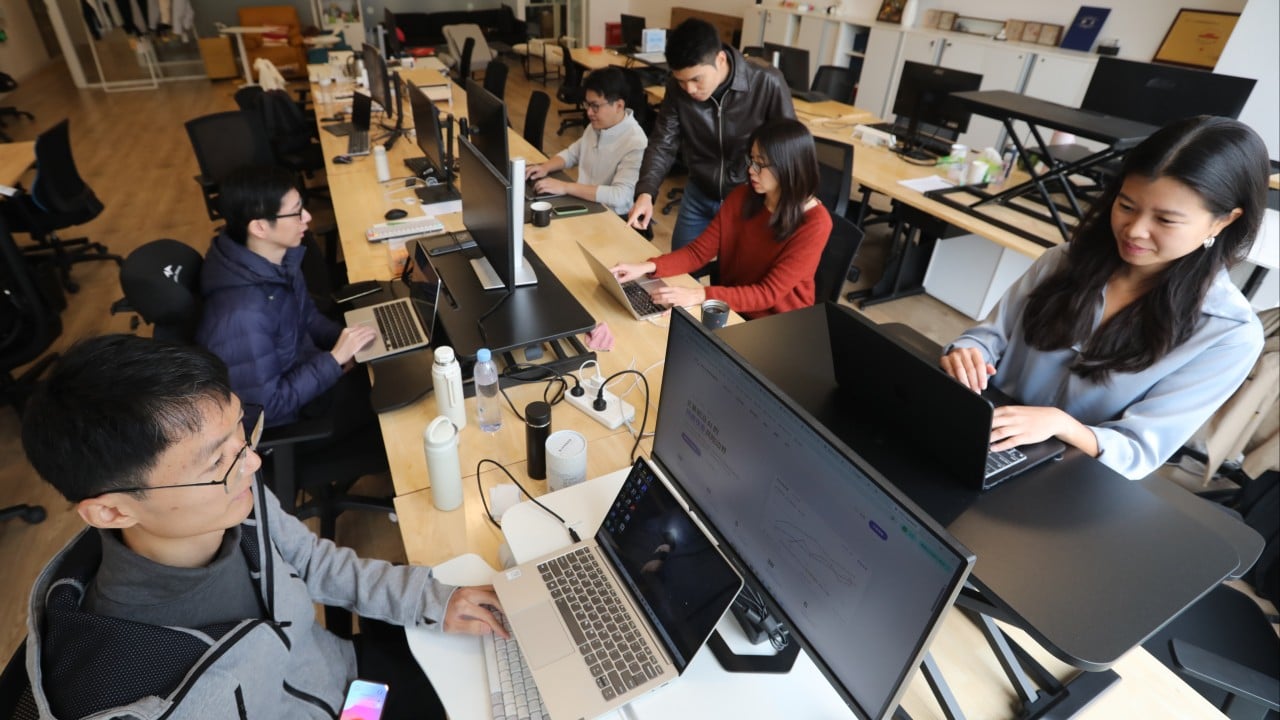
How a little-known Beijing AI safety group became an adviser to China’s tech giants

Nium to Handle Real-Time Overseas Transfers for Woori Bank
