
How a Tsinghua spin-out became China’s first commercial AI safety watchdog
Chinese President Xi Jinping and US President Donald Trump are set to meet this week in Shenzhen on the sidelines of the Apec meeting, where managing the risks of frontier AI systems is expected to be a major agenda item.
The scheduled meeting between Chinese President Xi Jinping and US President Donald Trump this week in Shenzhen places the management of frontier AI system risks prominently on the international diplomatic agenda. Their discussions at the Apec meeting highlight the increasing global attention on ensuring AI innovation does not compromise safety.
In this context, Chinese organizations are being profiled for their efforts at the forefront of AI safety within the country's industry. This profiling is presented as the first part of a three-part series, focusing on domestic initiatives to integrate safety considerations into AI development and deployment.
The initial profile highlights a Tsinghua spin-out, identified as China’s first commercial AI safety watchdog. While specific details of its operations are not provided, its emergence signifies a structured approach to addressing AI safety concerns from within China's academic and commercial sectors.
The timing of these profiles, appearing during the week of the high-level presidential meeting, suggests a connection between top-level policy discussions and the practical work of domestic entities in the AI safety domain. This alignment indicates a concerted national focus on the issue as international conversations progress.
Share this article
Related reading
6 stories
What to expect from US-China AI safety talks
Our prior coverage explored the US-China AI safety talks, a key backdrop to this week's diplomatic agenda.
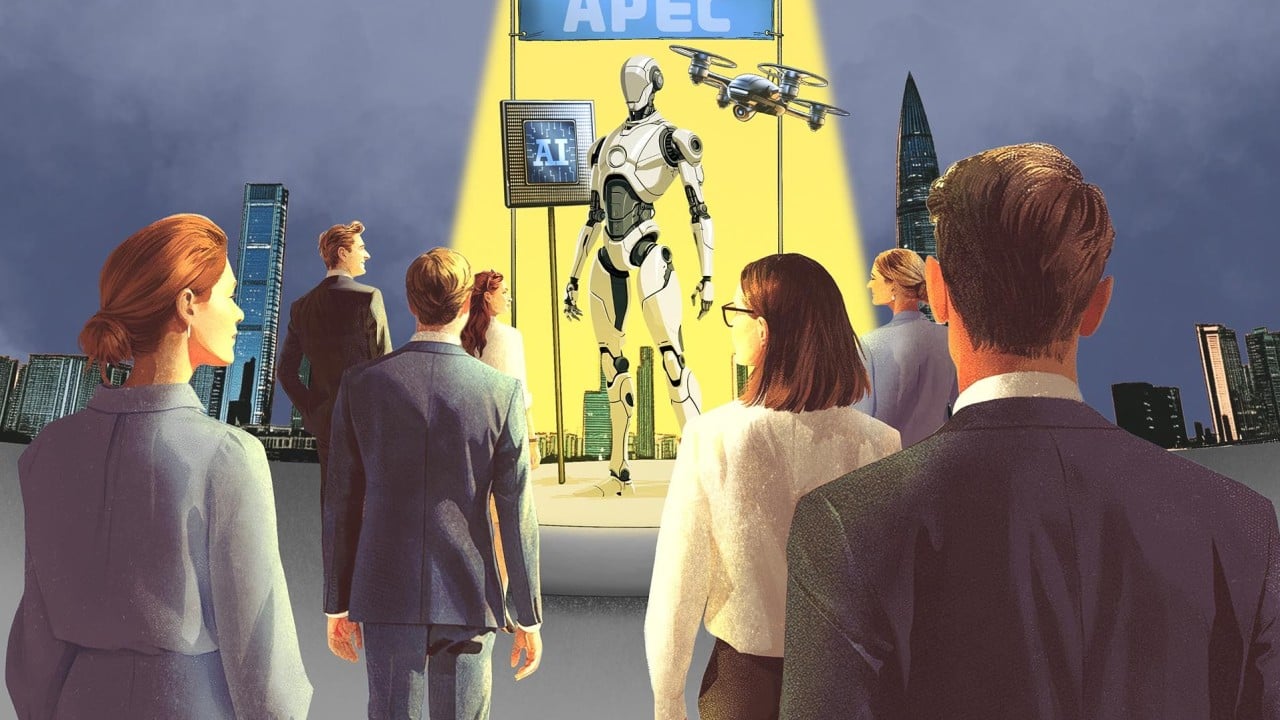
Shenzhen – once a fishing village, now China’s ‘Robot Valley’ – takes the Apec stage
Shenzhen, the host city for the Apec meeting, is also China's 'Robot Valley' and a hub for tech innovation.

NETS Explores a Way for AI Agents to Pay at Singapore Shops

OCBC Aims to Train 20,000 Small Business Owners and Staff for Free
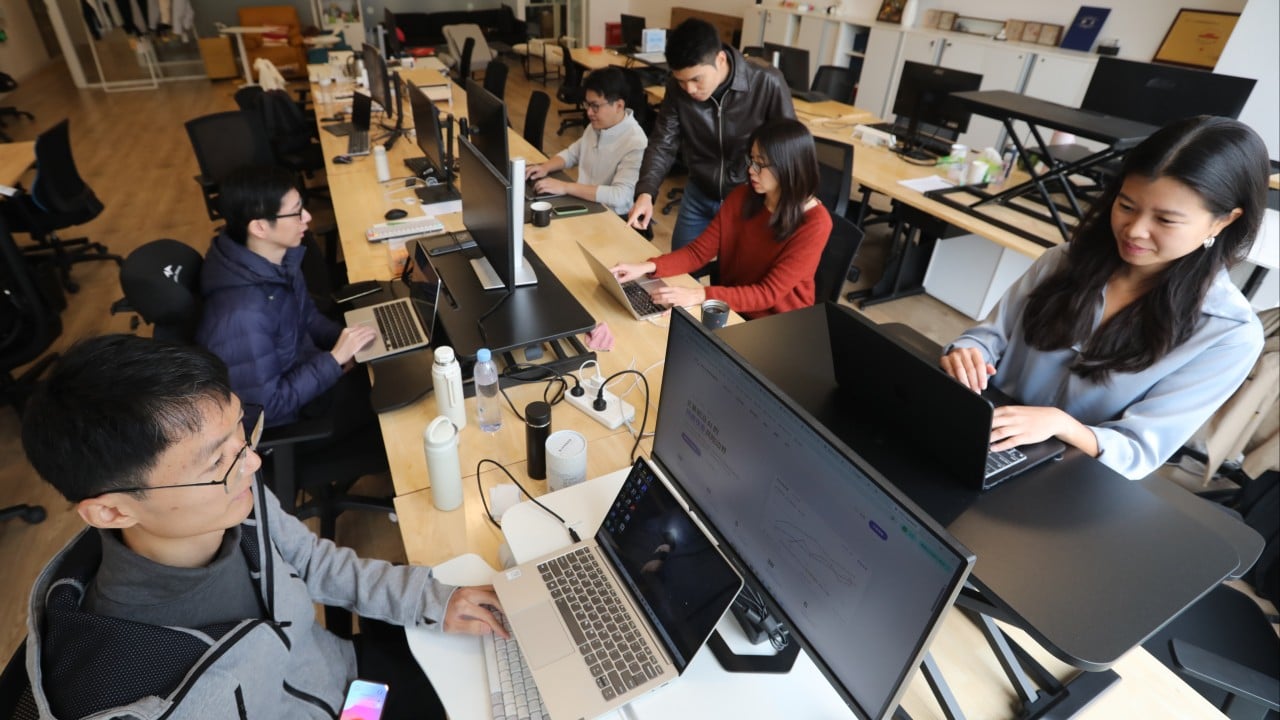
How a little-known Beijing AI safety group became an adviser to China’s tech giants
