Telangana Power Regulator Clears 1.5 GWh Battery Storage Procurement
The Telangana Electricity Regulatory Commission (TGERC) has given its approval for the procurement of 375 MW/1,500 MWh of battery energy storage capacity. This significant move, proposed by distribution companies (DISCOMs) through the Telangana Power Generation Corporation (TGGENCO), falls under the Viability Gap Funding (VGF) program. The initiative aims to bolster the state's power infrastructure and enhance grid stability. This approval marks a crucial step towards integrating more renewable energy sources into Telangana's power supply. The VGF program is designed to support projects that might otherwise be financially unviable, underscoring the strategic importance of this storage capacity.
This decision by the TGERC to approve a substantial 1.5 GWh battery storage procurement is a significant development for India's energy sector and broader Asian tech landscape. It signals a strong commitment from a major Indian state towards modernizing its grid infrastructure and integrating renewable energy more effectively. Battery energy storage systems are critical enablers for intermittent renewable sources like solar and wind, allowing for better grid stability, peak shaving, and overall energy security. This procurement, facilitated through the Viability Gap Funding program, highlights the government's role in de-risking and accelerating the adoption of advanced energy technologies. It also creates a substantial market opportunity for battery manufacturers, system integrators, and related technology providers, both domestic and international, looking to expand their footprint in India.
The scale of this procurement positions Telangana as a leader in deploying utility-scale battery storage in India. This move will likely inspire other Indian states and potentially other developing Asian economies to follow suit, recognizing the long-term benefits of such investments in energy resilience and sustainability. It underscores a growing trend across Asia where governments are actively investing in smart grid solutions and energy storage to meet rising energy demands while transitioning to cleaner energy sources. This policy decision could catalyze further innovation in battery technology, grid management software, and project development within the region.
Related reading
6 stories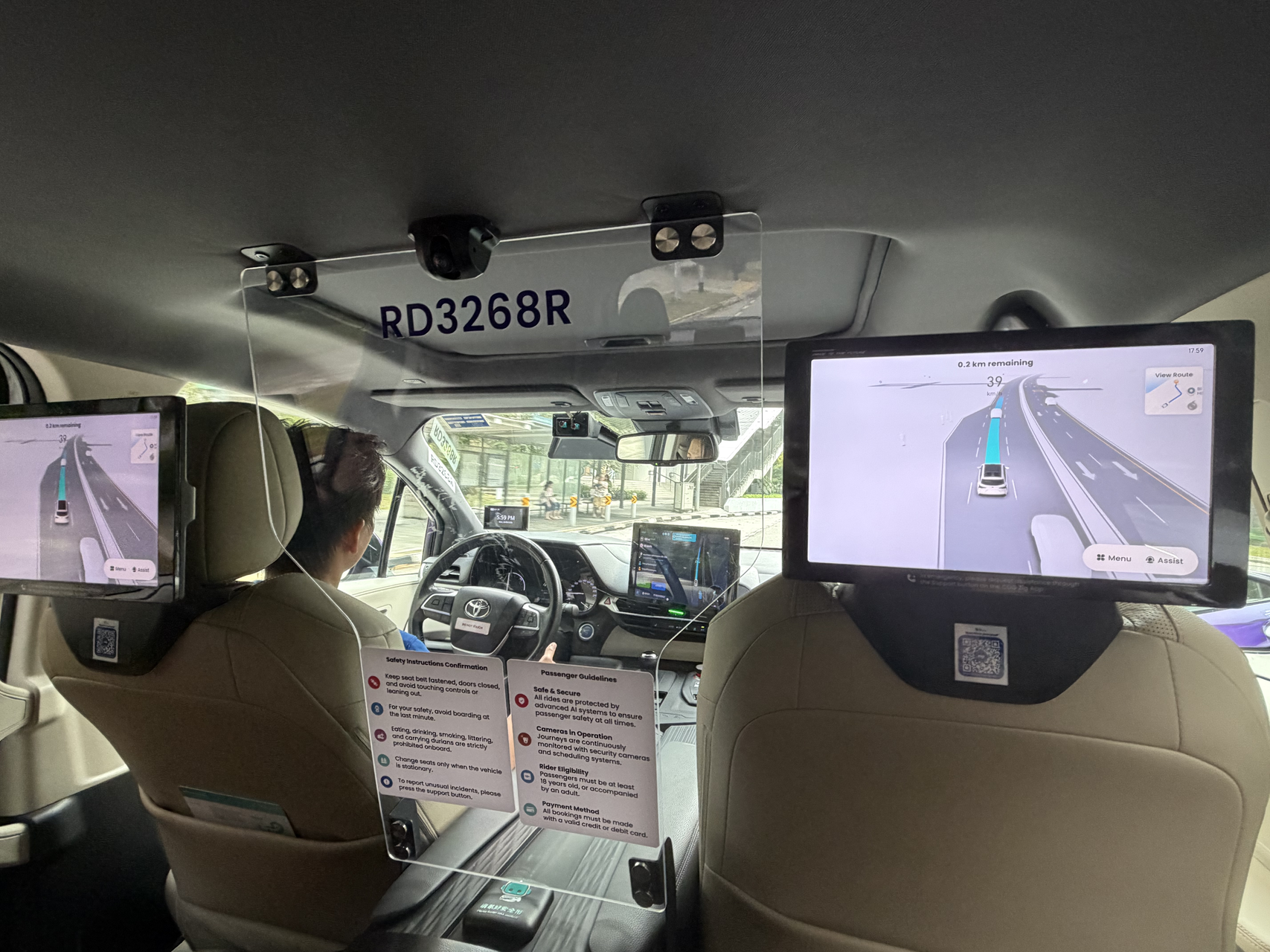
If driverless cars already work, why aren’t they everywhere?

Sumsub Launches Workforce Verification as Deepfake Risks Grow
ByteDance’s AI-enhanced short-drama app eclipses China’s Netflix rivals combined

Timo Joins Top 10 Banks in Vietnam by Customer Satisfaction

Payment Agility and Modernisation for the Age of Intelligence