SUSS drops AI detector as more Singapore universities question reliability of such tools
The Singapore University of Social Sciences (SUSS) has discontinued its university-wide AI writing detector as of August 11, citing limitations in its ability to conclusively determine inappropriate generative AI use. This move follows Nanyang Technological University's (NTU) decision to cease using its AI detector from 2027, acknowledging such tools as "fundamentally unreliable." While Singapore Management University (SMU) continues to use AI detection tools, it emphasizes they are never the sole basis for misconduct findings. Other institutions, including the National University of Singapore (NUS), Singapore University of Technology and Design (SUTD), and Singapore Institute of Technology (SIT), do not employ automated AI detection tools, focusing instead on assessment design and contextual evidence.
Singapore's universities are taking a unified stance against automated AI detection tools, with SUSS disabling its Turnitin AI writing detector from August 11 and NTU confirming it will stop using such tools by 2027. This reflects a growing consensus that these tools are unreliable for definitively identifying AI-generated content or academic misconduct. The shift points to a broader recognition across Asian educational institutions that the focus should be on designing robust assessments that require students to demonstrate genuine understanding and ownership of their work, rather than relying on fallible technology after the fact. The decision by multiple Singaporean universities, including NUS, SUTD, and SIT, to either abandon or not adopt these tools suggests a practical approach to academic integrity in the age of generative AI. SMU's position, using detectors only as one input among several, reinforces this pragmatic view. The key takeaway for other Asian education systems is that investing heavily in automated AI detection may be a misdirection, with a greater emphasis needed on pedagogical innovation and direct student accountability.
Share this article
Related reading
6 stories
When AI meets grief in India!
As universities question AI detection, we explored AI's ethical and social impact in India.

Mastercard Launches AI Assistant to Simplify Card Benefits
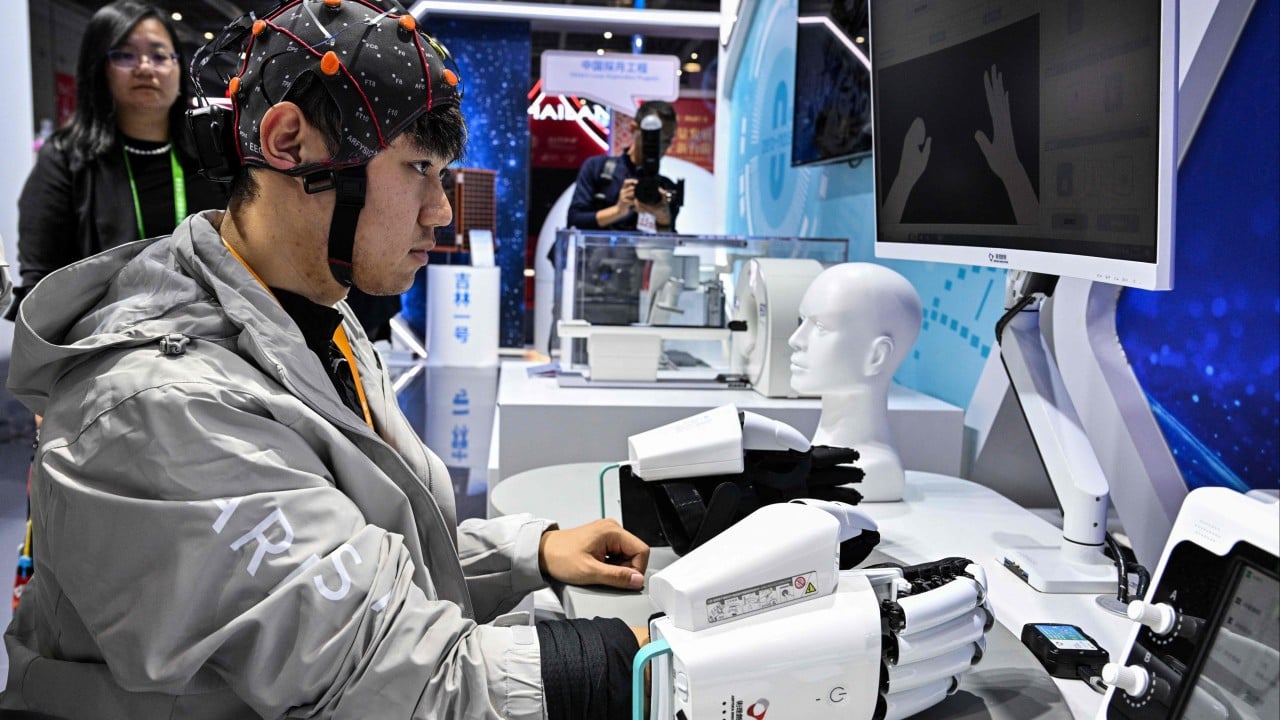
China moves to set global standards for brain-computer interface technology

Visa Tests AI-Powered Business Payments, Introduces New Fraud Controls
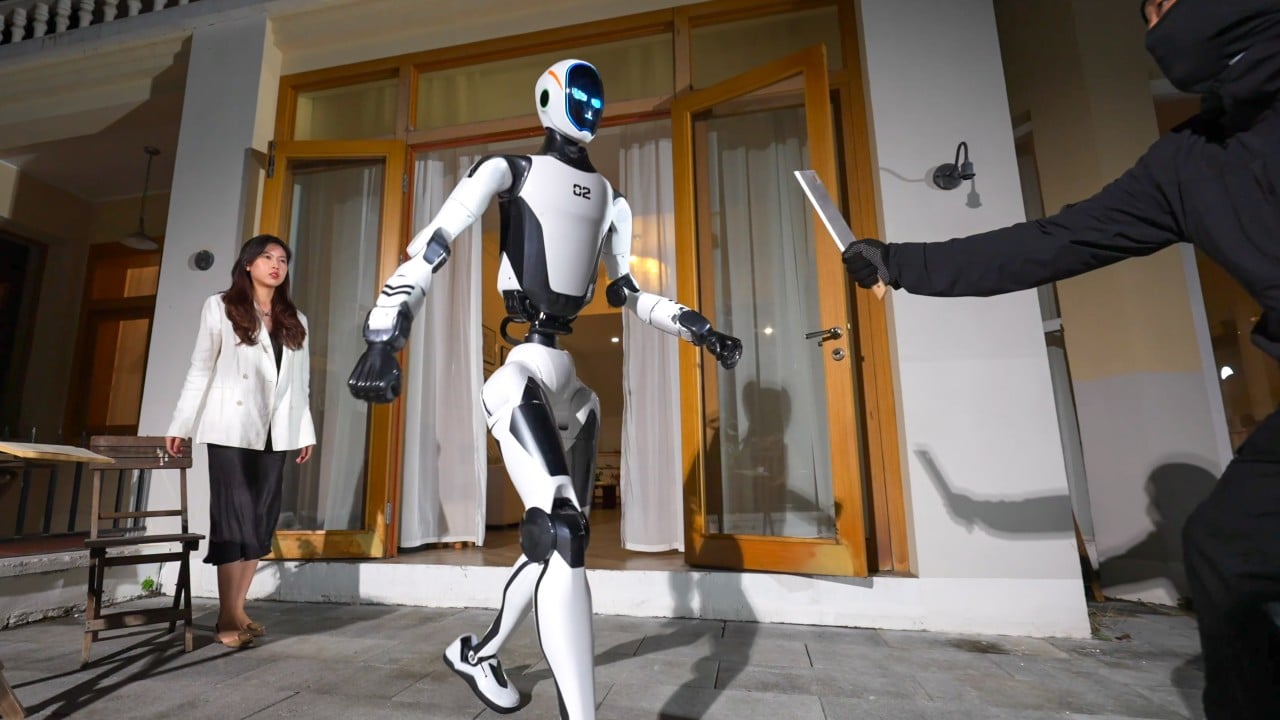
China’s Unitree unveils ‘guardian’ robot that can disarm attackers, lift cars