
Super Intelligence Force Launches 'No New Law' Charter: AI's Rule-Makers Govern Themselves
The White House's Super Intelligence Force (SIF) adopted its founding charter on October 15, establishing three risk panels and a 120-day mandate. This framework uses existing liability law rather than new federal regulation, aiming to hold AI companies accountable for harms, according to reporting.
The SIF's charter places primary responsibility for AI-related risks on the companies building the models. By opting for existing liability law over new federal regulations, the administration seeks to insulate itself from calls for a mandatory regulatory regime while still assigning accountability for potential harms caused by AI models. This approach requires companies to navigate current legal frameworks for managing their AI's impact.
The task force formed rapidly following a presidential announcement on October 4 and an executive order in June 2026. This swift establishment, coupled with the White House Accord on Super Intelligence signed by six prominent industry executives, suggests a concerted effort to quickly put a governance structure in place. The Accord itself outlines voluntary governance layers, including internal controls, external audits, and board-level review, which align with the charter's emphasis on company accountability.
The SIF's inaugural meeting was chaired by Director of National Intelligence Jay Clayton, who was confirmed to his role in July 2026 and has no prior technology policy background. He is joined by three vice chairs from different federal offices. This leadership structure indicates a multi-agency coordination effort, with a focus on integrating AI oversight into existing government functions, though led by an official new to this specific policy domain.
Share this article
Related reading
6 stories
OpenCode Console intrusion threatens linked AI provider credentials
Our prior reporting highlighted the security risks and credential threats that come with linked AI provider credentials.
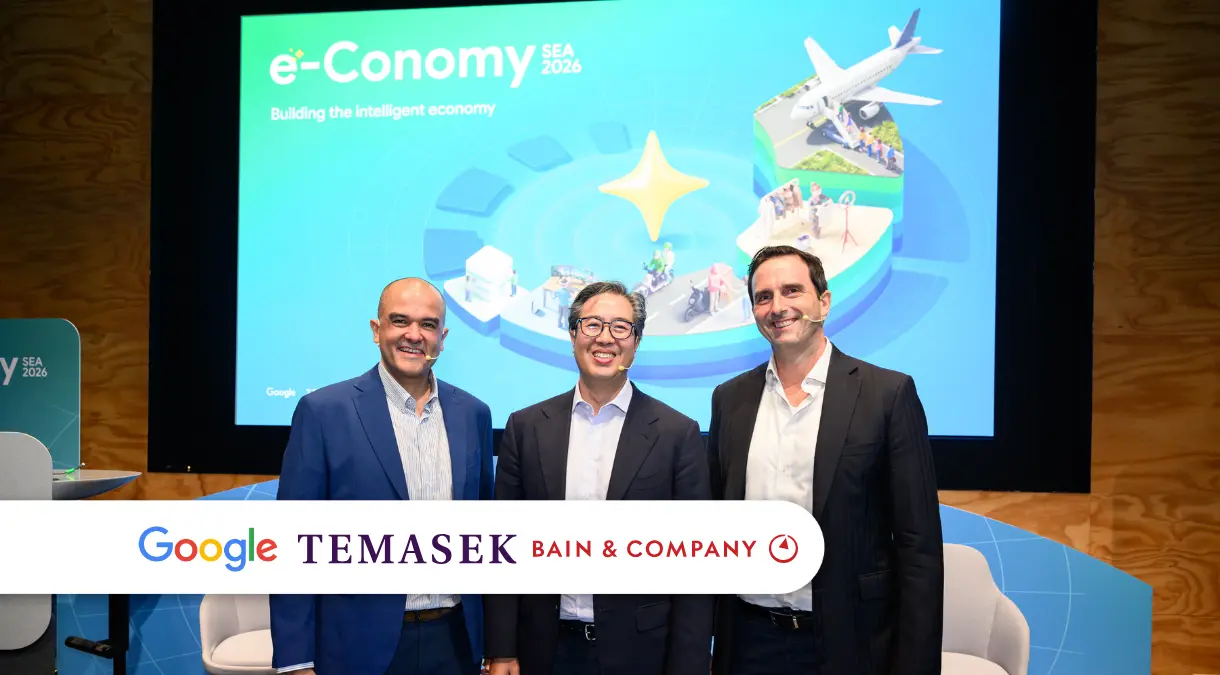
e-Conomy SEA 2026: Singapore Leads in Digital Wealth and AI Use

Standard Chartered, Air India Partner on Wealth and Travel Benefits

OCBC Becomes First Non-Malaysian Bank to Offer Ringgit Savings in Singapore

DBS PayLah! Expands QR Payments to Taiwan
