South Korean chipmakers could use memory expansion to challenge China
South Korean semiconductor makers could expand memory chip production to regain market share from Chinese rivals, according to a report by The Korea Herald. Kim Hyung-joon, head of the Next Generation Intelligence Semiconductor Foundation, suggested this strategy could allow companies like Samsung Electronics and SK hynix to meet demand for both AI-specific and conventional memory.
The proposed expansion aims to address a shortage of conventional DRAM, which has created opportunities for Chinese manufacturers as South Korean firms increasingly prioritized high-margin memory for AI applications. By increasing overall capacity, Korean chipmakers could serve both the growing AI market and price-sensitive segments, potentially challenging Chinese competitors such as ChangXin Memory Technologies (CXMT).
Kim noted that the conventional memory cycle has fundamentally changed, estimating the current memory shortage at 30-40%, significantly higher than historical imbalances. New manufacturing facilities are being built to meet demand, driven partly by AI. SK hynix, for example, plans four fabrication plants, with the first potentially processing around 350,000 wafers monthly, over 60% of its current capacity.
While these capacity additions could substantially increase output, the report also raises concerns about potential oversupply if AI demand does not keep pace. However, Kim suggested manufacturers now have more flexibility than in previous cycles to adjust construction schedules and production ramp-ups based on market conditions, which could help manage price stability.
Share this article
Related reading
6 stories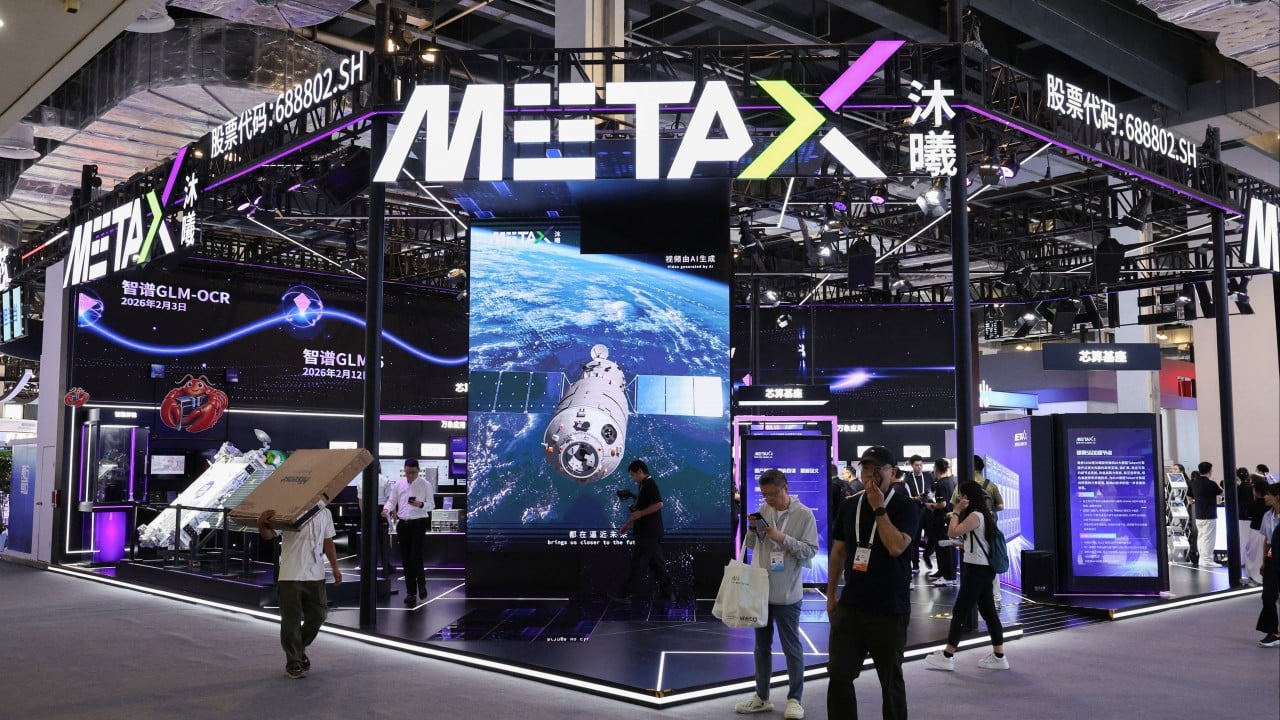
China’s AI boom, self-sufficiency push fuel earnings surge for local chip firms
We previously covered how China's AI boom and self-sufficiency drive are boosting local chip firms.

Who is Nathan Chen, the Chinese teen AI prodigy being courted by Silicon Valley?
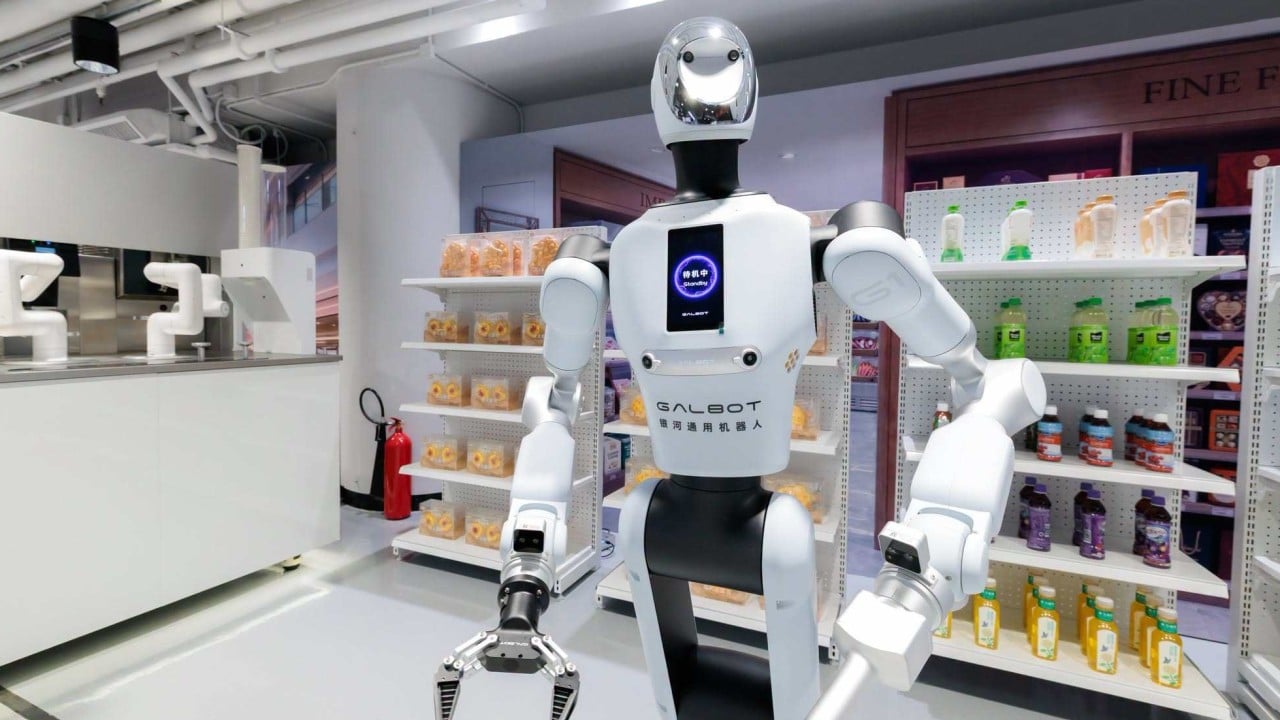
Hong Kong vies for role in robotics boom with launch of embodied AI hub
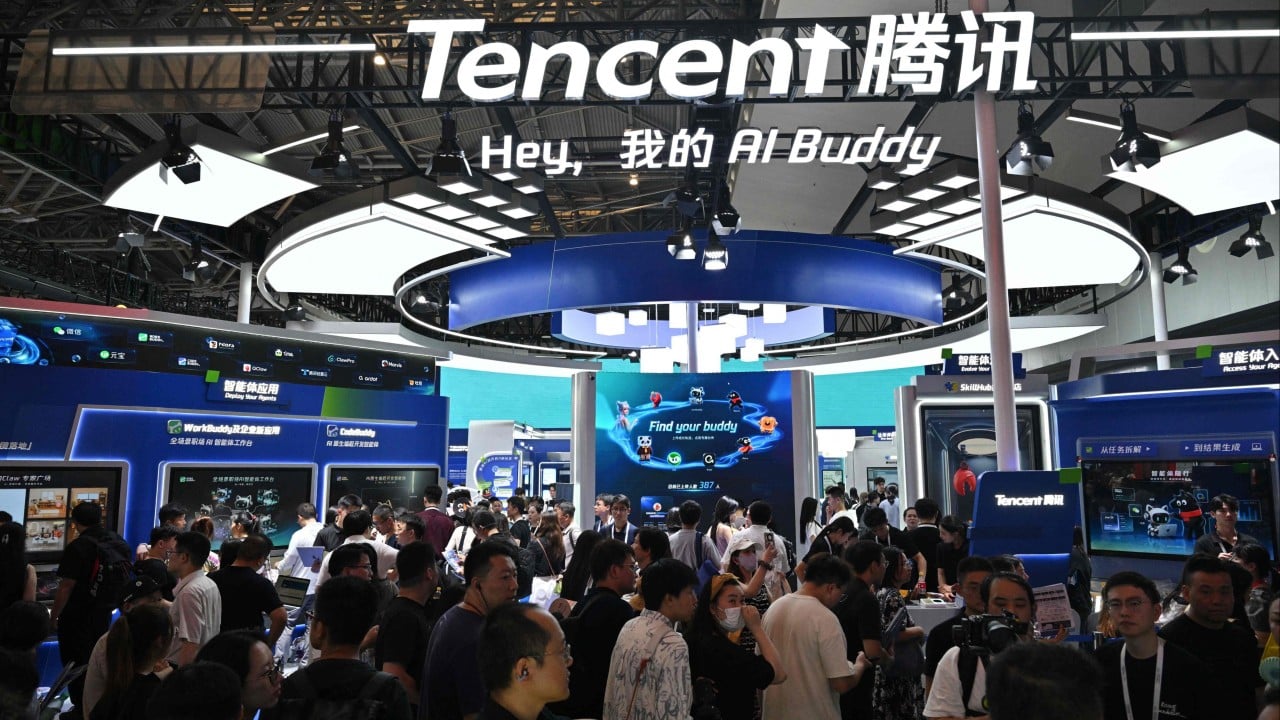
AI agents on Tencent Cloud try to break into Alibaba’s Amap: researchers

Hong Kong investors most eager in Asia to beat markets – but temper return hopes: report