At World Robot Conference 2026, robots face the test of real work
The World Robot Conference (WRC) 2026 in Beijing showcased China’s robotics sector entering a more demanding phase, with over 300 exhibitors and 3,000 robots on display. The event coincided with Unitree Robotics’ IPO, which pushed its market capitalization above RMB 400 billion (USD 59.4 billion) at its peak. Notably, 49 centrally administered state-owned enterprises attended, bringing 12 real-world engineering scenarios to find robotics solutions. The conference highlighted a shift from showcasing advanced models to demonstrating practical deployment and commercial viability in fields like power grids, aerospace, and mining.
WRC 2026 in Beijing points to a critical pivot for China’s robotics industry: a move from conceptual prowess to practical, revenue-generating deployment. The presence of 49 state-owned enterprises seeking solutions for 12 real-world scenarios in power grids and aerospace underscores a national imperative to integrate advanced robotics into core infrastructure. This suggests a significant procurement pipeline for Chinese robotics firms, prioritizing immediate utility over distant vision. The IPO of Unitree Robotics, reaching a market capitalization of RMB 400 billion, further validates the commercial potential, but also intensifies pressure for tangible results. The shift towards world models and faster, optimized robots reflects an industry grappling with the complexities of real-world environments. Companies like Lumos Robotics and Astribot are refining architectures to improve predictive capabilities and execution speed. However, the industry still faces significant hurdles. UBTech Robotics notes a scarcity of high-quality interactive data, and a lack of consensus on training standards. While industrial applications are advancing, household robots remain largely in demonstration phases, with Fourier Intelligence citing challenges in generalization and robustness for varied residential spaces. The true test for China's robotics will be scaling these practical applications beyond controlled environments and into mass market deployment over the next two to five years. Our view is that the emphasis on "real work" at WRC 2026 is a necessary recalibration for the Chinese robotics sector. The market is maturing beyond hype, demanding concrete returns. The challenge now is not just technological innovation, but the systematic collection of real-world data and the engineering optimization required to move from proof-of-concept to widespread, reliable deployment in both industrial and consumer settings.
Share this article
Related reading
6 stories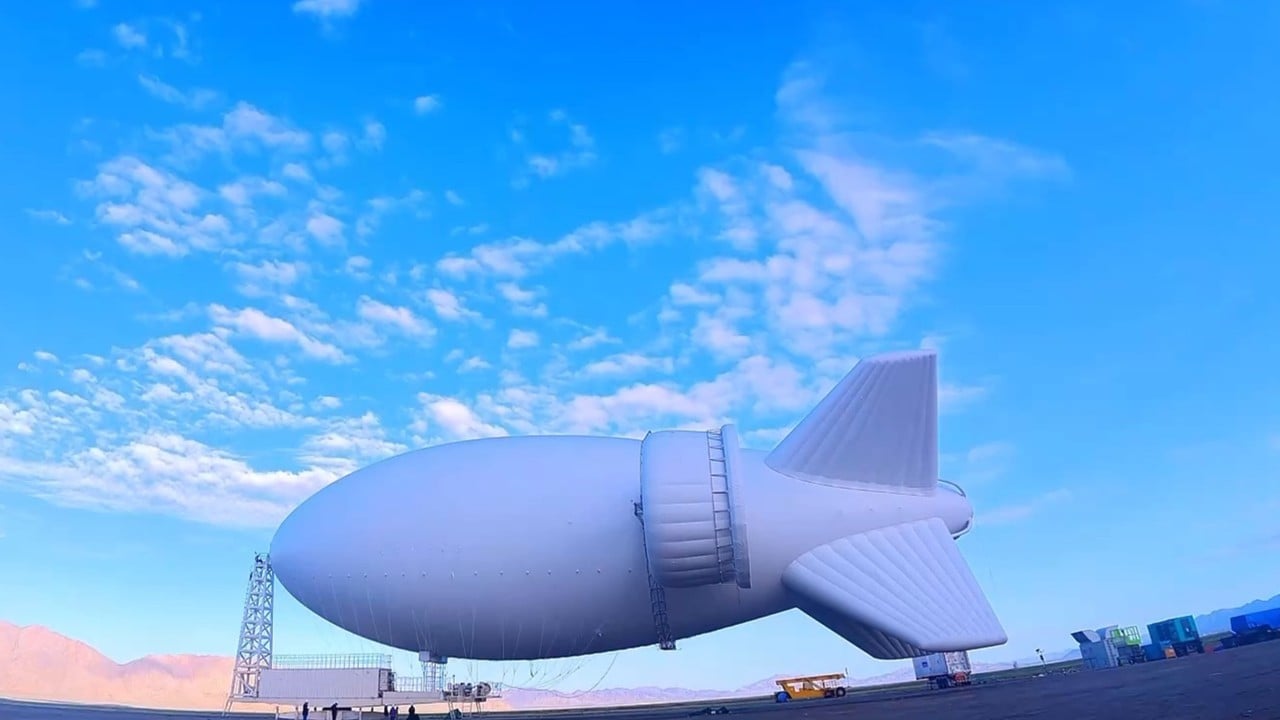
China taps high-altitude winds for power generation by flying craft to 4,000m
China's push for advanced robotics in infrastructure echoes its innovative use of flying craft for high-altitude power generation.

Mastercard Launches AI Assistant to Simplify Card Benefits
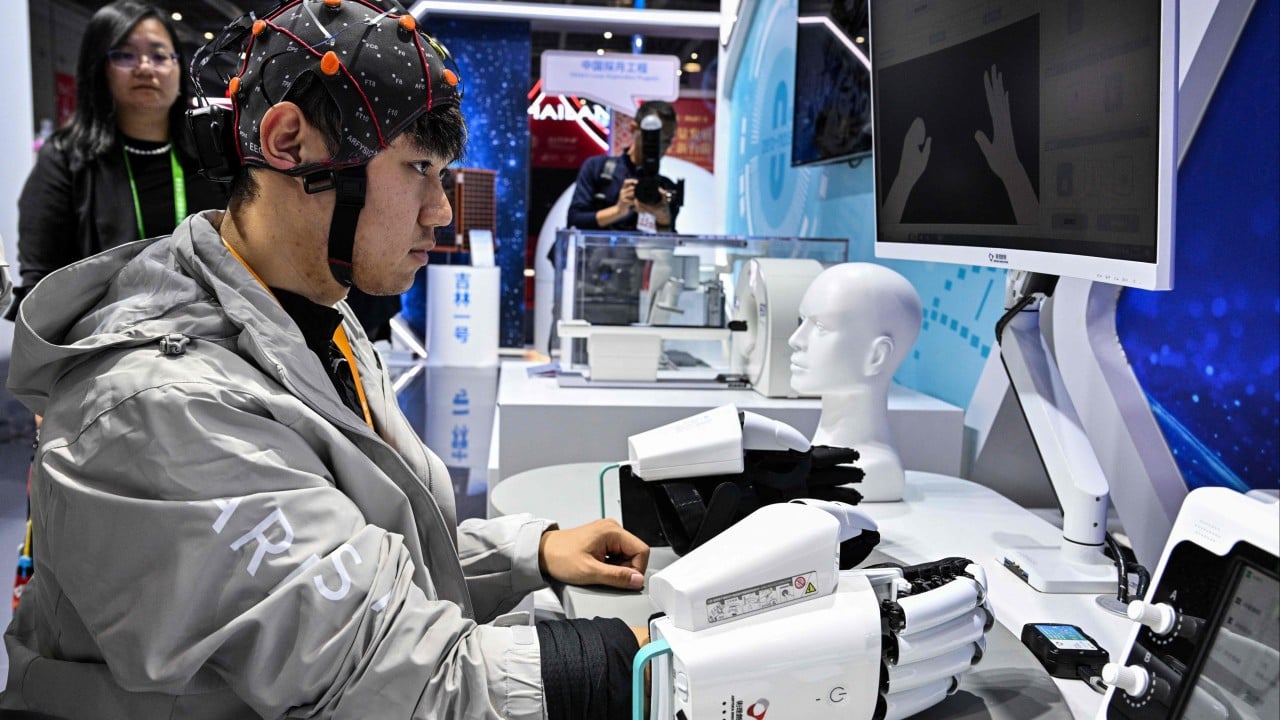
China moves to set global standards for brain-computer interface technology

Visa Tests AI-Powered Business Payments, Introduces New Fraud Controls
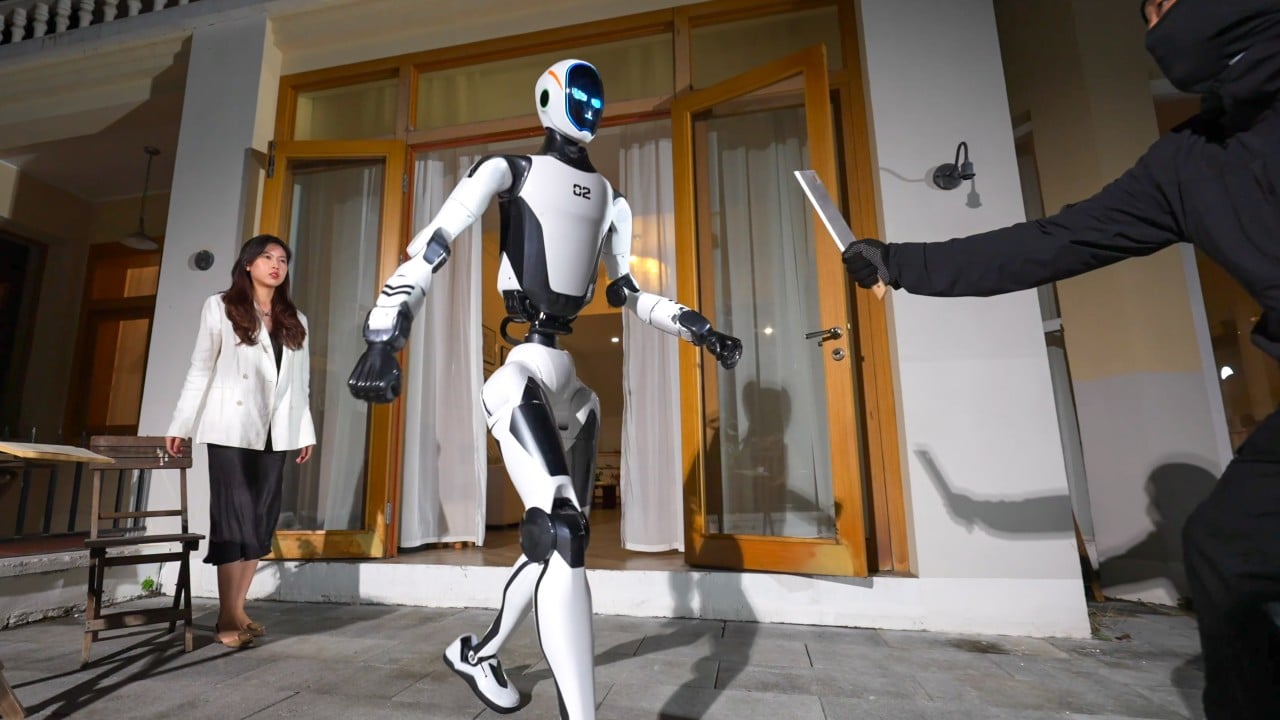
China’s Unitree unveils ‘guardian’ robot that can disarm attackers, lift cars