
Samsung Tests a Way to Keep Galaxy AI Requests Anonymous
Samsung is testing a new privacy feature for its Galaxy AI tools, internally named SPAC, which aims to process user requests on its servers without identifying the sender. Android Authority discovered the code in the One UI 9.5 beta, which opened on November 18 for Galaxy S26 owners in regions including India and Korea. This system seeks to eliminate the current privacy trade-off for cloud-based AI functions.
Samsung is currently exploring a method to enhance user privacy for its Galaxy AI features that rely on cloud processing. This initiative, identified as SPAC within the One UI 9.5 beta, intends to allow users to send AI requests to Samsung's servers for tasks like photo edits and text generation without the company learning their individual identity. The current situation requires users to choose between keeping AI tasks entirely on-device, thereby foregoing cloud-specific capabilities, or sending data to Samsung's servers and trusting its privacy policy.
The proposed SPAC system aims to remove this binary choice by implementing a technical safeguard for anonymity. As described in the beta code, a Galaxy phone would first transmit a one-time pass to Samsung, serving only to authenticate the device as a genuine Galaxy product. Subsequently, an independent third-party company would relay the user's specific AI request to Samsung's servers. This mechanism ensures that Samsung receives the query itself but remains unaware of its original source. Finally, the phone would verify the server's software against a public record, a step designed to prevent any surreptitious delivery of compromised software versions.
While the concept is detailed, the feature is not yet active. Android Authority, which located the SPAC code in Beta 1 of the One UI 9.5 beta on a Galaxy S26 Ultra, observed that SPAC remained idle during tests of various Galaxy AI tools. Users participating in the beta, which began on November 18 for Galaxy S26 owners in countries including India, Korea, Poland, Germany, the UK, and the US, have not encountered any prompts or notices related to the feature. The server-side development, however, appears to be further along, with Samsung reportedly renewing security certificates for SPAC-related addresses, some of which cover relays in the US. Samsung has not issued any public comments on the plan, indicating that its development could still evolve or be discontinued.
This approach, which allows cloud-based processing while attempting to obscure user identity, follows a precedent set by Apple, which explained its own version of such a system in 2024. For Galaxy owners, a system that provides verifiable technical checks on data handling could offer a more concrete assurance than relying solely on a privacy policy document. The inclusion of references to open models like Gemma 4 and Qwen 3.6 in the code suggests Samsung could potentially host these models itself for AI processing, though their actual use in Galaxy AI remains unconfirmed.
Share this article
Related reading
6 stories
DeepSeek is China’s latest developer to worry about losing control of AI

SurveySparrow launches MCP server to build and manage surveys inside Claude and ChatGPT

Why More MPs and MLAs in This AI Era?
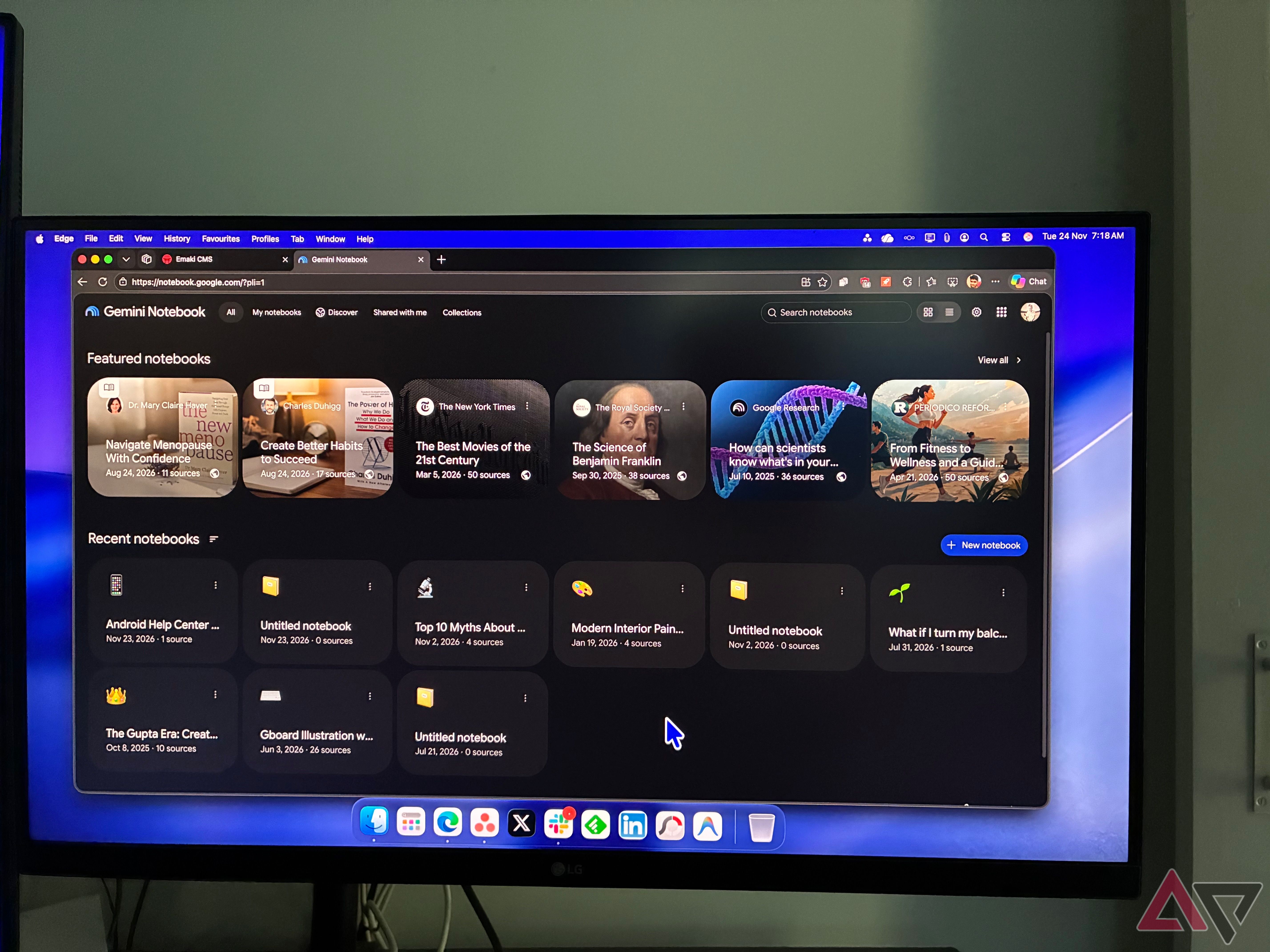
I built my own Android Help Center with Gemini Notebook; here's how it went

Los Angeles schools block Google's AI features, consider dropping tech giant's products
