SAFE Kids vs. SMART Kids: Is the Philippines ready?
A dialogue in Manila on October 22 discussed two proposed pieces of legislation, the SAFE Kids Act and the SMART Kids Act, concerning children's online safety and digital rights in the Philippines. The discussion prompted questions about whether the country is developing a comprehensive protection system that adequately supports parents, beyond comparing the merits of individual bills.
Discussions in the Philippines are examining the SAFE Kids Act and the SMART Kids Act, two legislative proposals aimed at enhancing children's online safety. While these bills frame the debate as a choice between digital restrictions and freedoms, an observer at a recent dialogue noted a broader underlying concern: whether the country is truly building a comprehensive system to safeguard children online.
The core issue identified is a potential gap in legislative focus. Current conversations about online safety legislation frequently center on platform accountability, penalties, and the responsibilities of technology companies. However, the dialogue highlighted a critical omission: the need to explicitly address and integrate education and support for parents themselves within these policies.
Many parents navigate a complex digital environment their children inhabit, often without sufficient knowledge of online exploitation, misinformation, or how to set healthy technology boundaries. Without practical guidance, legislative efforts that place responsibility on parents risk becoming an unsupported obligation. Effective protection, therefore, may require equipping adults with the knowledge to guide children through their digital experiences, alongside any restrictions or platform requirements.
Furthermore, the discussion touched on the importance of considering the realities of Filipino families, including economic conditions and how some minors might use the internet for more than just entertainment. This suggests that effective policy must be holistic, reflecting local contexts and empowering all stakeholders, especially parents, to foster a safer online environment.
Share this article
Related reading
6 stories
MCMC flags 47,412 cyberbullying posts this year, TikTok accounts for 81%
Our recent report on cyberbullying in Malaysia highlights similar online safety concerns for children in Asia.
Why EA Chose Star Wars Over Mass Effect and Closed BioWare - IGN Daily Fix - IGN India
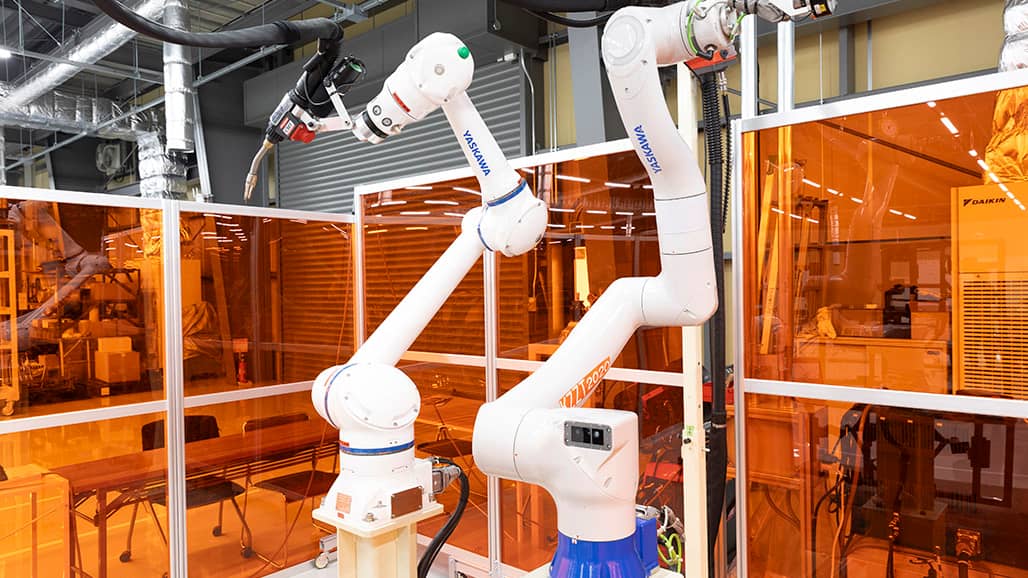
Toyota, Yaskawa deploy AI robots in GR Kart production

ISRO launches next-gen satellite to boost India’s indigenous GPS system

Watt’s the catch?