Pallas-1 sees China’s Galactic Energy join reusable launch push, closing in on SpaceX
Chinese rocket maker Galactic Energy successfully launched its Pallas-1 reusable rocket into orbit from the Jiuquan Satellite Launch Centre in Gansu province. The two-stage, liquid-propellant rocket stands 52 meters tall and has a lift-off mass of 283 tonnes. It is designed to carry up to 7 tonnes into low Earth orbit and withstand up to 25 flights. This mission marks a step in Beijing’s goal to develop reusable launch capabilities and become a "space power," an objective outlined in its latest five-year plan.
Galactic Energy’s successful orbital launch of Pallas-1 is a concrete step in China’s drive for reusable rocket technology. While the company did not attempt booster recovery on this mission, its plans for future re-entry control and landing tests are crucial. The Pallas-1, designed for 25 flights and a 7-tonne payload to low Earth orbit, reflects a clear national priority to build out commercial launch capabilities. This development is significant for the broader Asian space sector. China’s progress in reusable rockets, even without immediate recovery, suggests a narrowing gap with established players like SpaceX. The focus on high-frequency commercial reuse indicates Beijing's intent to reduce launch costs and increase access to space, which could reshape regional competition in satellite deployment and space services over the next five years.
Related reading
6 stories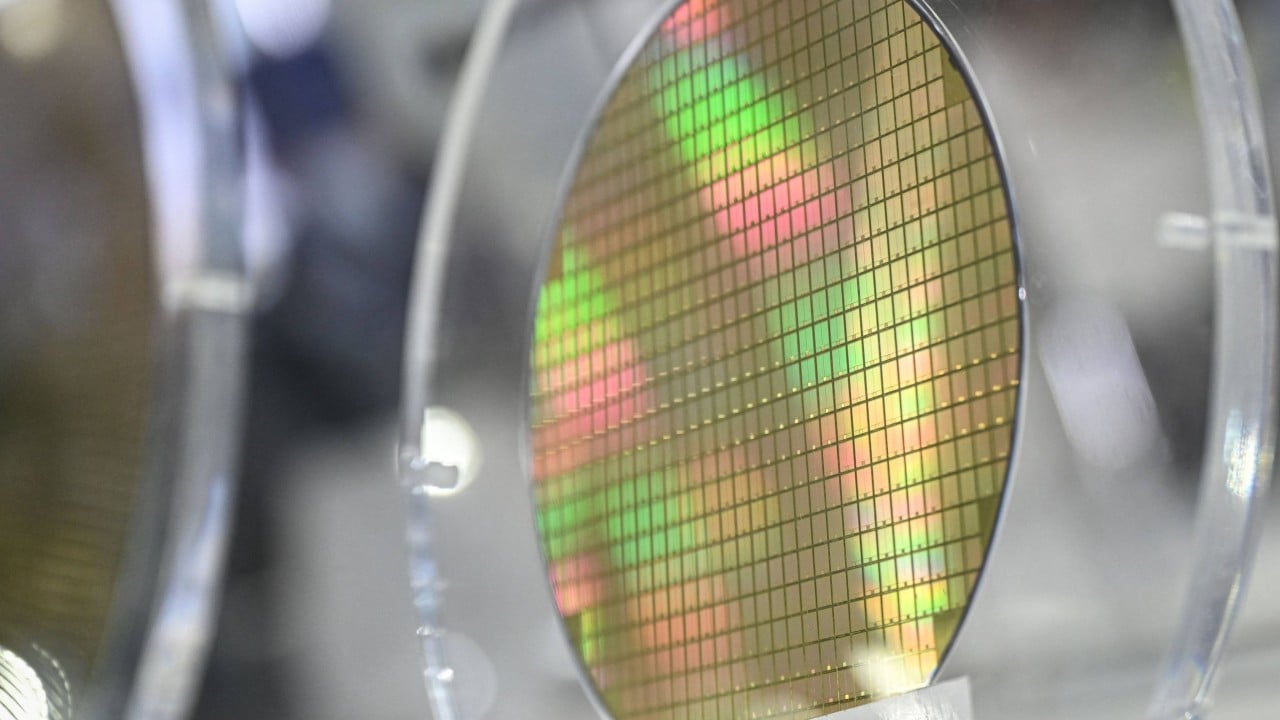
As Chinese chipmakers snap up local gear, self-sufficiency drive faces commercial test
China's drive for self-sufficiency in space mirrors its push for local gear in the semiconductor industry.
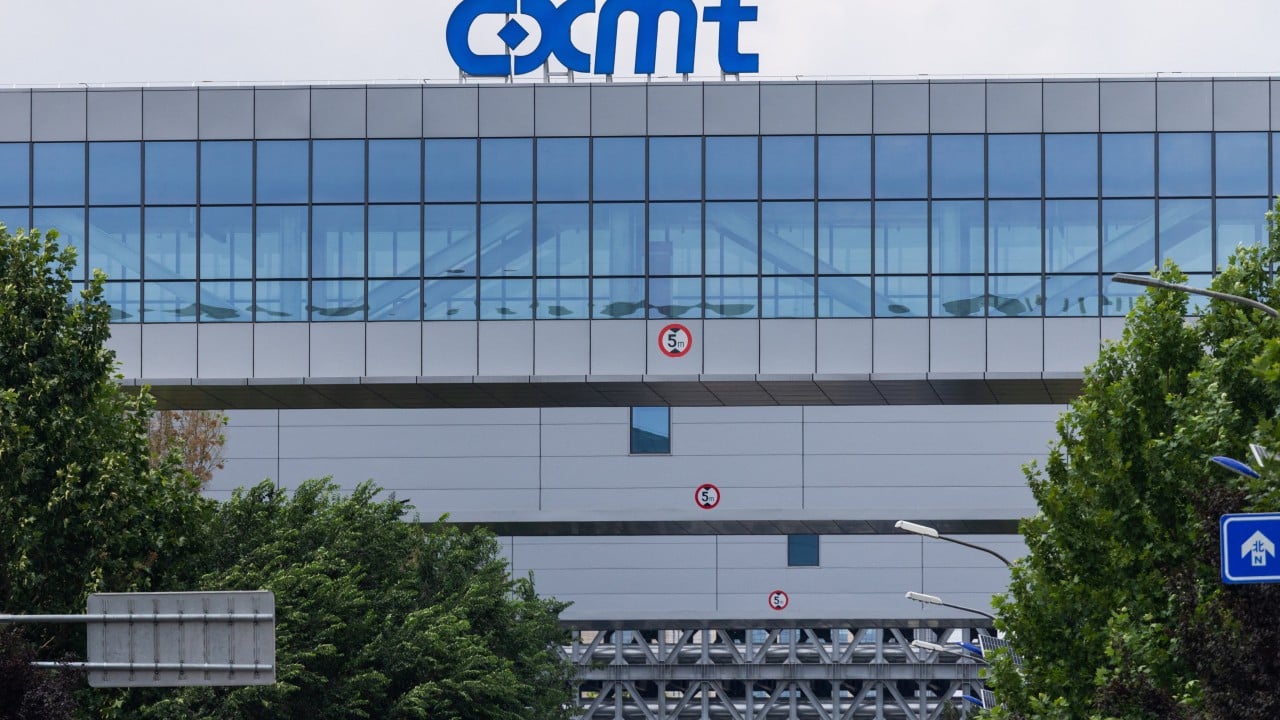
Once reliant on Samsung and SK Hynix, Chinese smartphone makers are turning to CXMT

Multimodal AI breakthrough could come within two years, SenseTime scientist says
Huawei quickens AI chip pace, promises next entrant 3 quarters early
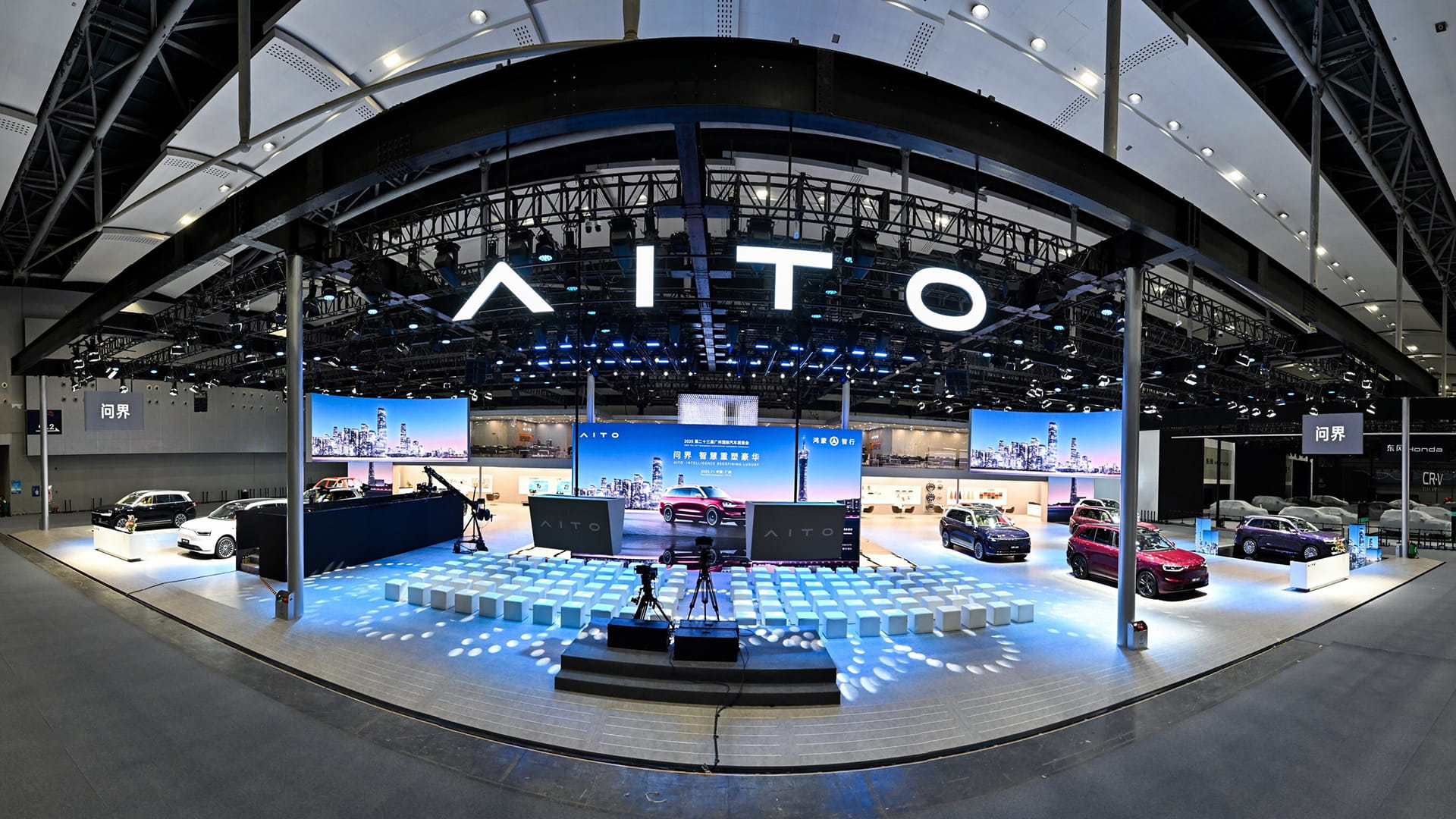
Seres takes the lead at Aito as Huawei reshapes its role