OpenAI Calls for US to Lead Global AI Standards. Will China Be Okay With That?
OpenAI advocates for US leadership in global AI safety standards. The company argues the United States should spearhead international cooperation on AI development and deployment. This position aims to establish a unified framework for responsible AI. It also emphasizes the growing urgency for global governance in this rapidly evolving sector.
OpenAI's call for US leadership in AI standards is not about global consensus. It is a clear push for Western-aligned regulatory frameworks. The company wants to secure its own competitive advantage. This strategy leverages geopolitical influence to shape the future of AI governance. It prioritizes a specific vision for AI development.
For Asia, this means increased pressure to align with US-led norms. Countries like South Korea and Japan, already close US allies, will likely adopt similar safety protocols. China, however, will push back with its own distinct AI governance model. This divergence will create a two-track global AI regulatory environment. It will complicate cross-border AI development and data sharing.
The thing to watch is how quickly China formalizes its alternative AI safety standards. Beijing's recent focus on domestic AI innovation and data sovereignty points to a rapid response. The test for Asian companies will be navigating these diverging regulatory landscapes. They must comply with multiple, potentially conflicting, sets of rules by late 2027.
Related reading
6 stories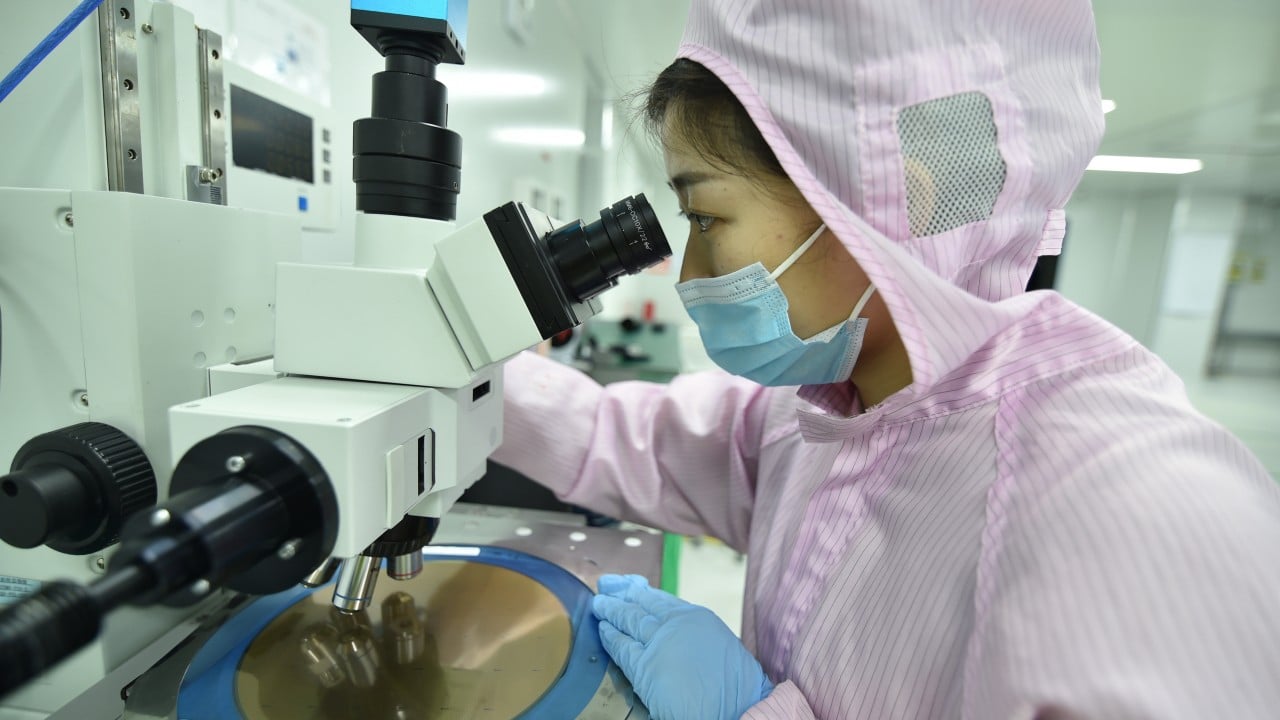
China eyes chip-industry foothold with a tiny Han Xin code to challenge US standard
China's push for its own AI standards is mirrored in its challenge to US chip standards.

Alibaba teases 10-trillion-parameter model, debuts ‘China’s most powerful’ AI chip
Alibaba's powerful AI chip and large language model show China's independent AI development.

Hong Leong’s New Card Is Forged in Fire And You Can’t Apply for It

Nearly Half of Singaporeans Are Comfortable Letting AI Apply for Credit
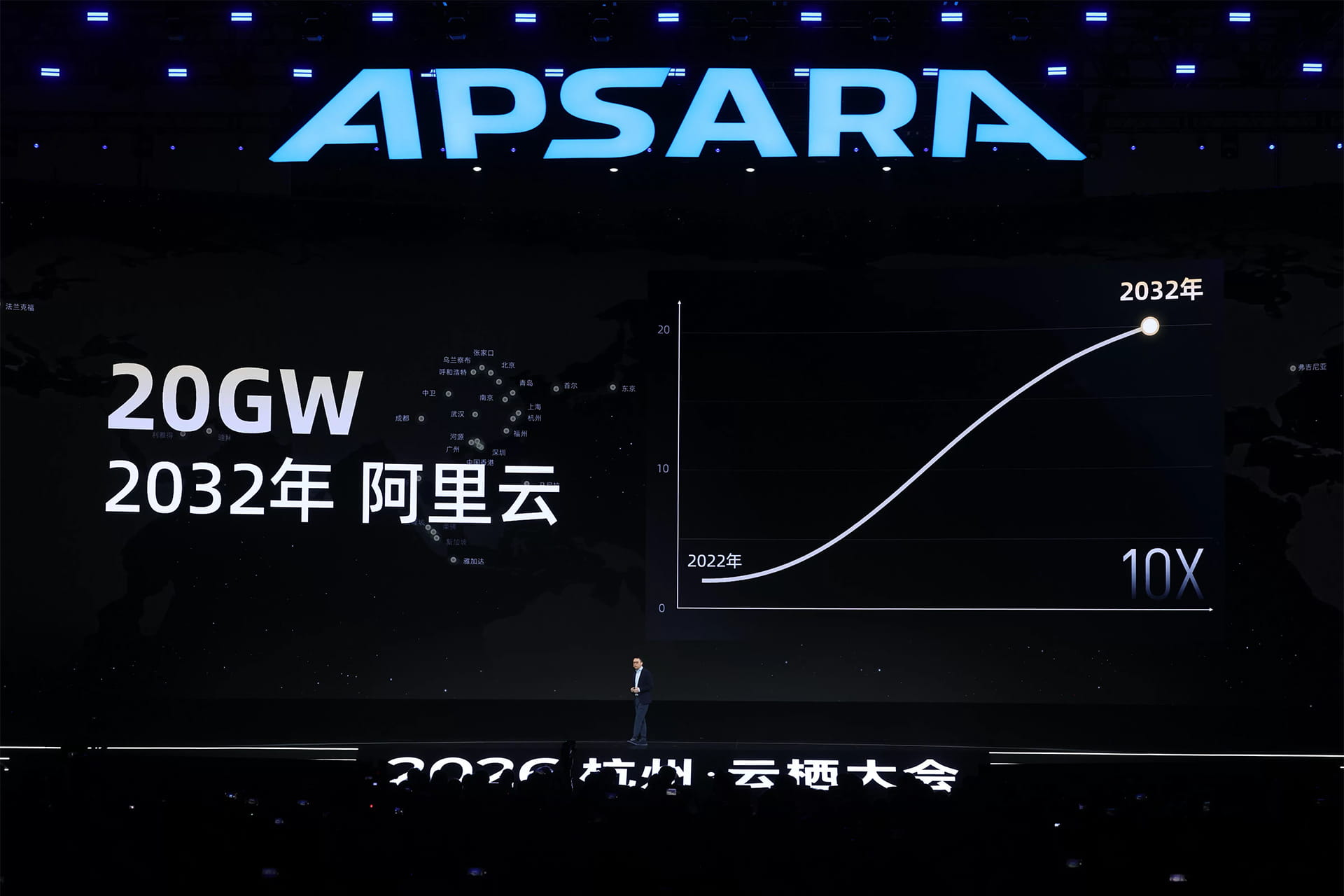
Alibaba scales AI compute with new chip and 20 GW data center target