China eyes chip-industry foothold with a tiny Han Xin code to challenge US standard
China is promoting a miniaturized Han Xin code, called Micro Han Xin, for use on semiconductors. The State Administration for Market Regulation (SAMR) announced its entry into the international standardization process. This 2007-era code aims to mark tiny components like sensors and microprocessors. Beijing seeks to establish a home-grown standard in global supply chains, challenging the US-created Data Matrix code. China's domestic semiconductor sector currently relies heavily on foreign systems for component tracking.
Beijing's push for Micro Han Xin is not a simple standards play; it is a direct challenge to the nearly 40-year-old US Data Matrix standard in semiconductors. The focus on ultra-compact codes for components like memory units and controllers shows a targeted effort. China aims to embed its technology at the foundational level of chip manufacturing. This reflects a deeper ambition for supply chain control, moving beyond mere alternatives to direct competition.
For Asia, this initiative creates a dilemma for regional chipmakers and foundries. Companies like TSMC in Taiwan or Samsung in South Korea, deeply integrated with global supply chains, may face pressure to adopt a dual-standard approach. Adopting Micro Han Xin could open new market access in China, but it risks alienating US partners who champion Data Matrix. The immediate impact is increased complexity for component tracking and potential fragmentation in chip manufacturing standards.
The thing to watch is the adoption rate by major international standards bodies and chip manufacturers by 2027. If Micro Han Xin gains traction beyond China's borders, it signals a genuine shift in global semiconductor interoperability. If adoption remains limited to domestic Chinese supply chains, it will highlight the enduring dominance of established foreign technologies and the limits of China's standardization efforts.
Related reading
6 stories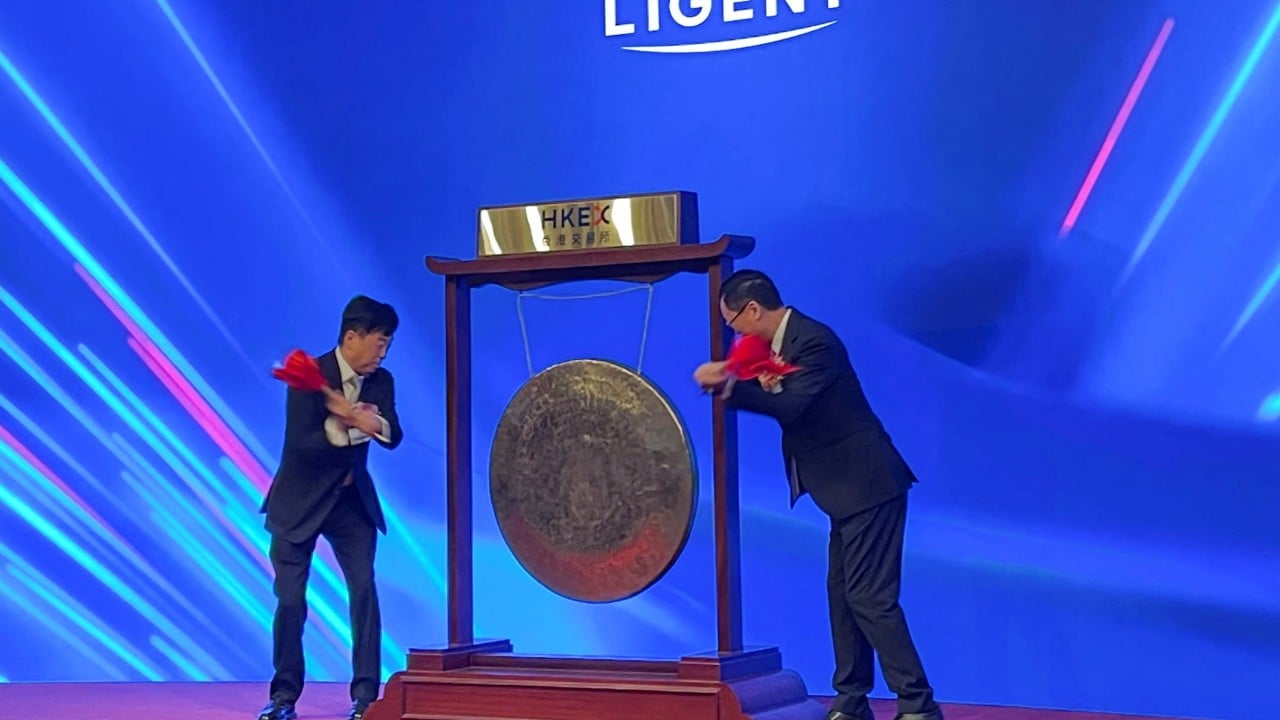
Hisense unit gains in Hong Kong debut amid rush of mainland Chinese corporate spin-offs

Alibaba teases 10-trillion-parameter model, debuts ‘China’s most powerful’ AI chip
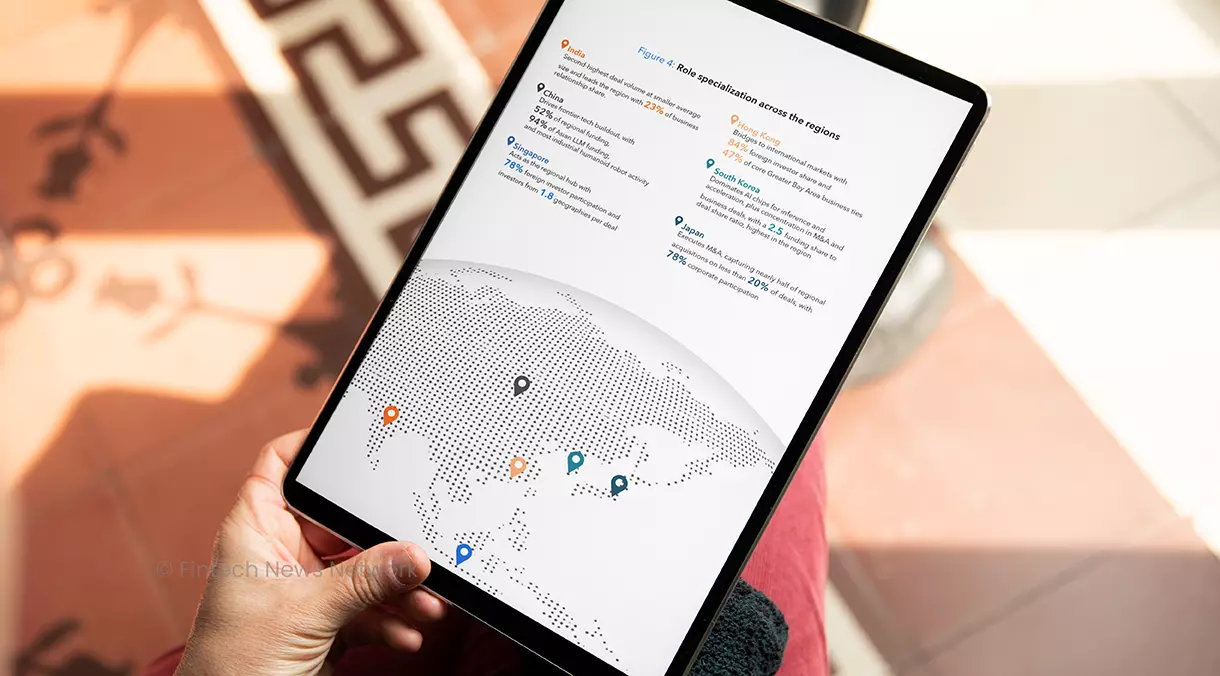
Asia Emerges as a Global Tech Powerhouse Through Regional Specification
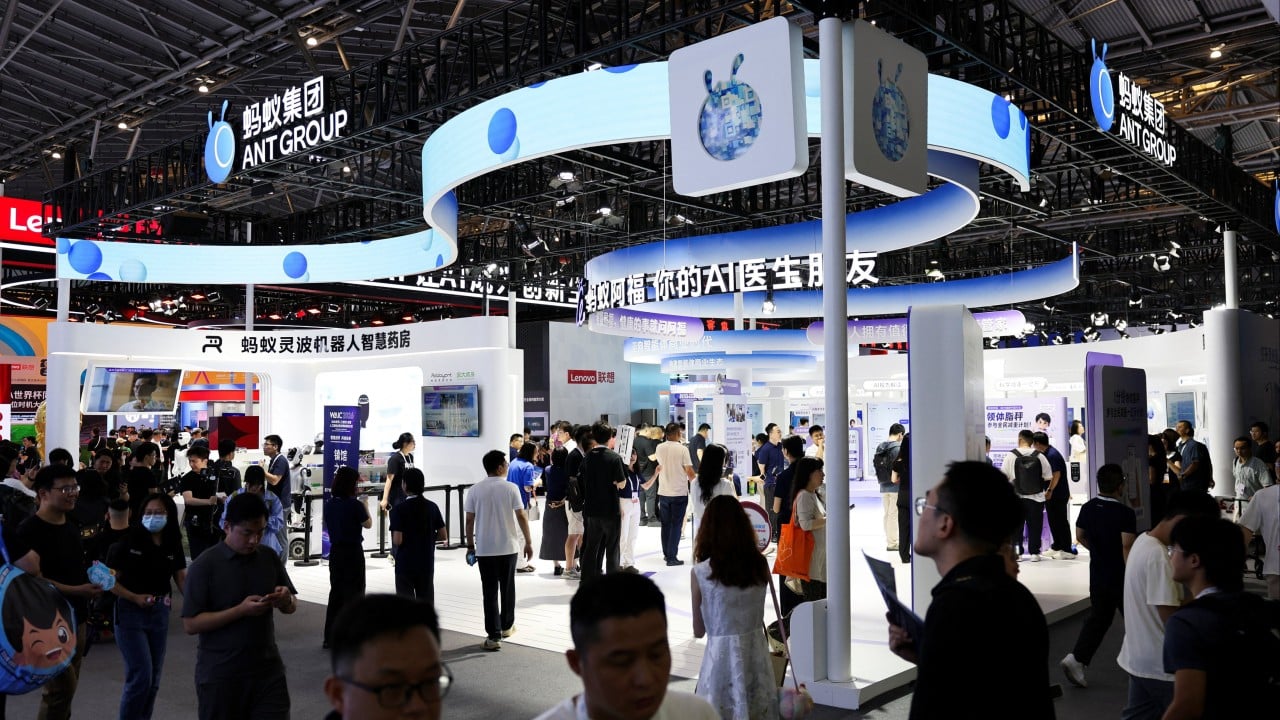
Ant Group consolidates Alipay operations in big bet on AI ‘agentic commerce’

Tesla and the Musks “Chinamaxx” as rumors swirl over EV maker’s plans