OpenAI calls for global US-led coalition on AI safety
OpenAI has proposed a global, US-led coalition to manage AI safety. The initiative aims to establish international standards and governance frameworks for advanced artificial intelligence. The company reflects a growing concern among AI developers about potential risks from powerful models. The proposal seeks to unite nations in addressing these challenges collaboratively.
OpenAI's call for a US-led AI safety coalition is less about safety and more about shaping global governance. The company seeks to establish its own framework as the de facto international standard. This positions the US at the center of AI regulation, potentially marginalizing other major AI development hubs.
For Asia, this proposal presents a challenge. Countries like China, South Korea, and Singapore have their own national AI strategies and regulatory ambitions. A US-centric approach could sideline their influence in setting global norms. Asian regulators will need to actively push for multilateral frameworks that reflect diverse national interests, not just American ones.
The thing to watch is how Asian nations respond. Will they align with a US-led initiative, or will they pursue independent or regional blocs? The test for ASEAN, for example, is whether it can articulate a unified stance on AI governance by late 2027. Failure to do so risks ceding ground to Western-defined standards.
Related reading
6 stories
Alibaba teases 10-trillion-parameter model, debuts ‘China’s most powerful’ AI chip
Alibaba's ambitious AI chip and model development shows Asia's independent drive in AI, challenging US dominance.
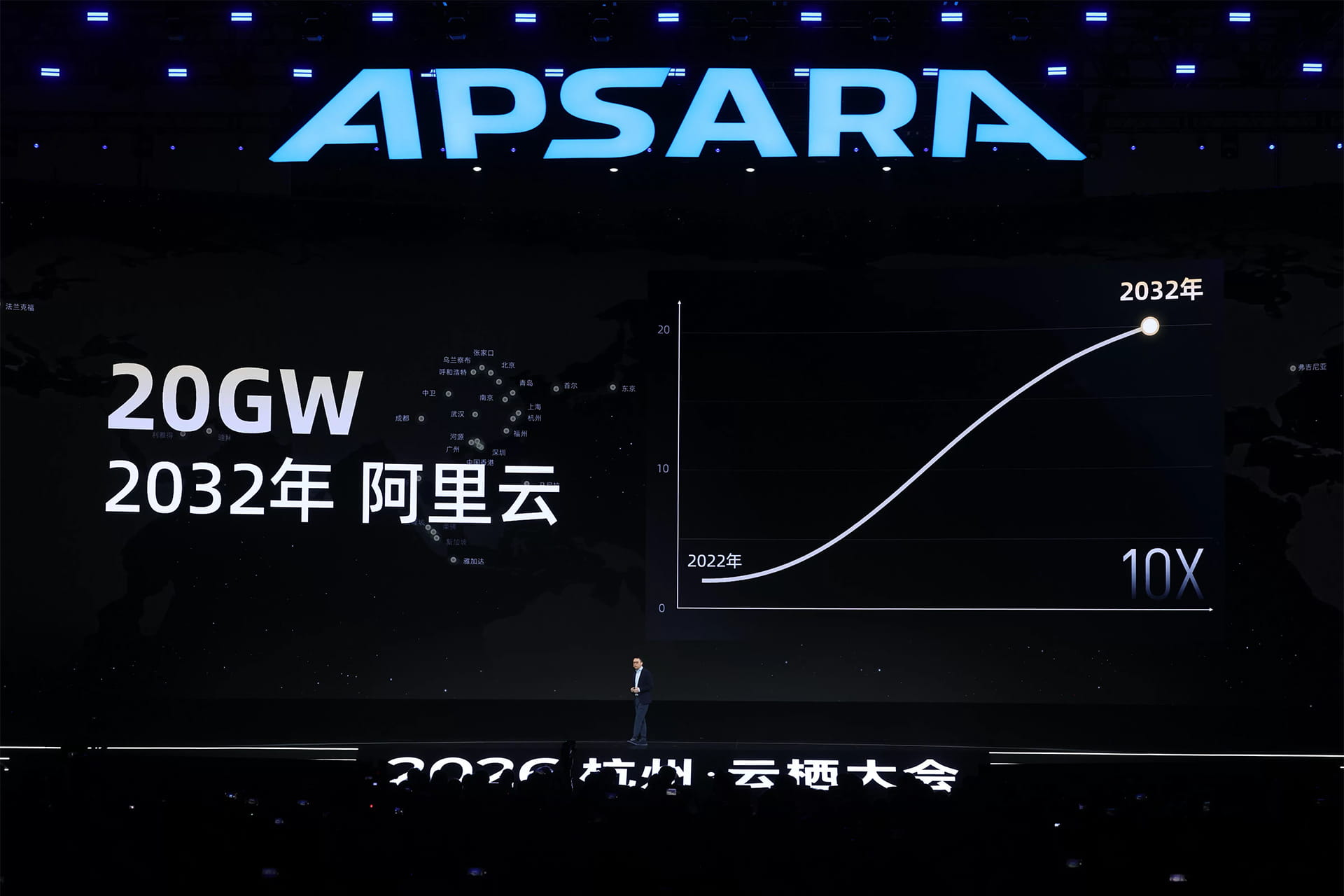
Alibaba scales AI compute with new chip and 20 GW data center target
Alibaba's scaling of AI compute infrastructure highlights the significant national investments in AI capabilities across Asia.

Hong Leong’s New Card Is Forged in Fire And You Can’t Apply for It

Nearly Half of Singaporeans Are Comfortable Letting AI Apply for Credit
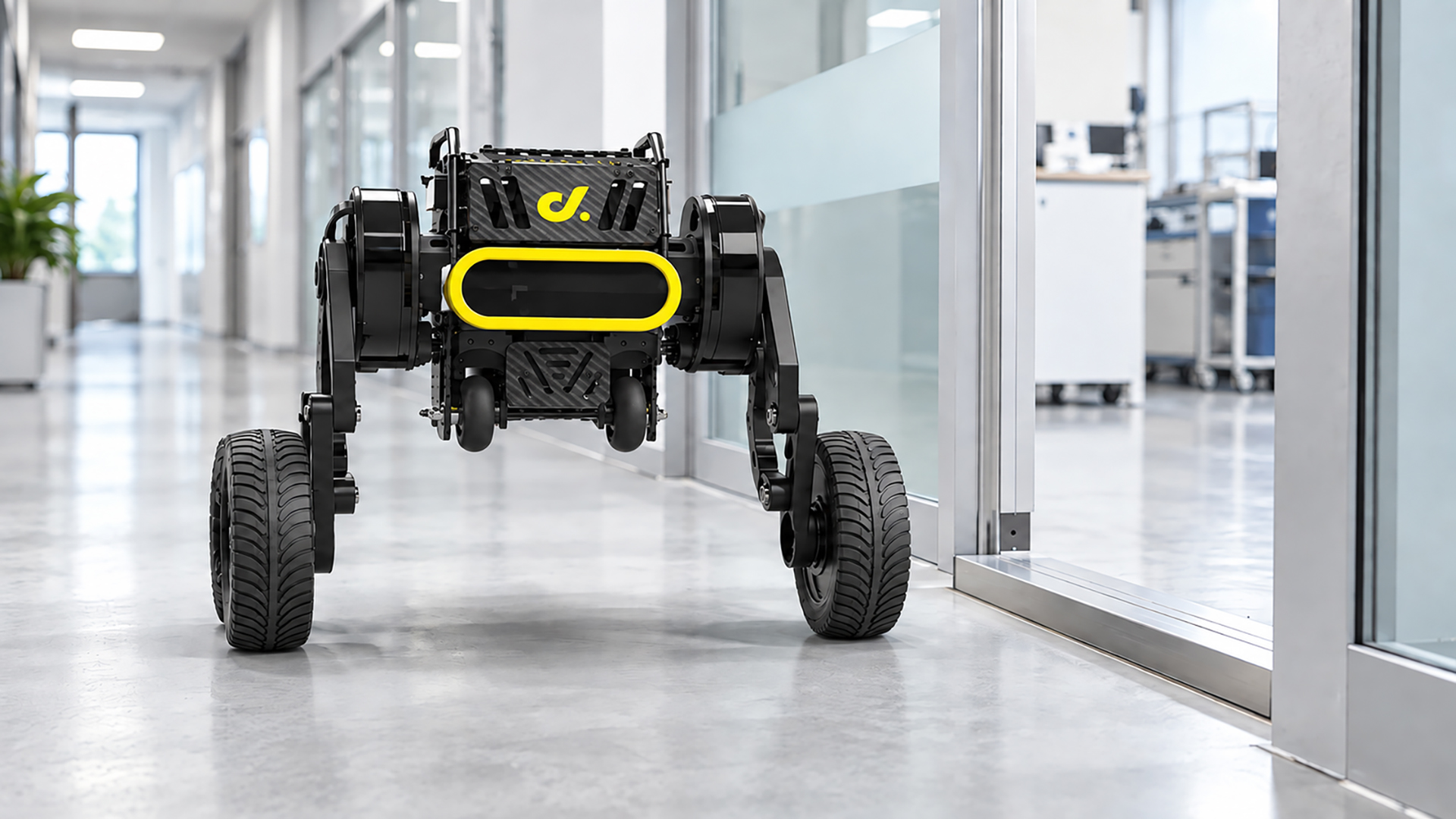
Direct Drive Tech launches Hong Kong IPO, testing demand for physical AI hardware