
One in Five Korean Workers Holds High AI Exposure Job
A study by the Korea Employment Information Service found that one in five South Korean workers, or 2.916 million employment insurance subscribers, hold jobs with high exposure to artificial intelligence. Lawyers ranked highest in AI exposure due to tasks involving reviewing legal documents and analyzing contracts. Legal clerks, patent attorneys, life science laboratory technicians, and accountants followed. The study, published in the summer 2026 edition of its Employment Issue journal, clarified that high AI exposure indicates how extensively AI could be applied to job tasks, not a direct signal of job losses. Younger workers, particularly those in their 30s, showed a higher likelihood of being in these AI-exposed roles, with 53.1% of subscribers in that age group working in medium or high AI exposure occupations.
South Korea's labor market is seeing a significant shift as nearly 20% of its workforce, or 2.916 million individuals, are in jobs highly exposed to AI. This is particularly pronounced in knowledge-intensive fields like law and accounting, where tasks involve heavy text interpretation and data analysis. Lawyers and legal clerks top the list, reflecting how AI tools are becoming integral to processing large volumes of information. While the study emphasizes that high AI exposure does not equate to job displacement, it does point to a substantial transformation in how work is performed. The concentration of AI exposure among younger workers, especially those in their 30s, suggests that this demographic will be at the forefront of adapting to AI-driven changes. This trend could lead to new skill demands and career pathways in the coming years, particularly in urban, tech-forward economies across Asia. The thing to watch is how South Korean companies and educational institutions will respond to this data. With 53.1% of workers in their 30s already in medium or high AI exposure roles, there is an immediate need for upskilling and reskilling initiatives to ensure the workforce can effectively integrate AI technologies rather than be disrupted by them. This dynamic will likely be mirrored in other advanced Asian economies.
Related reading
6 stories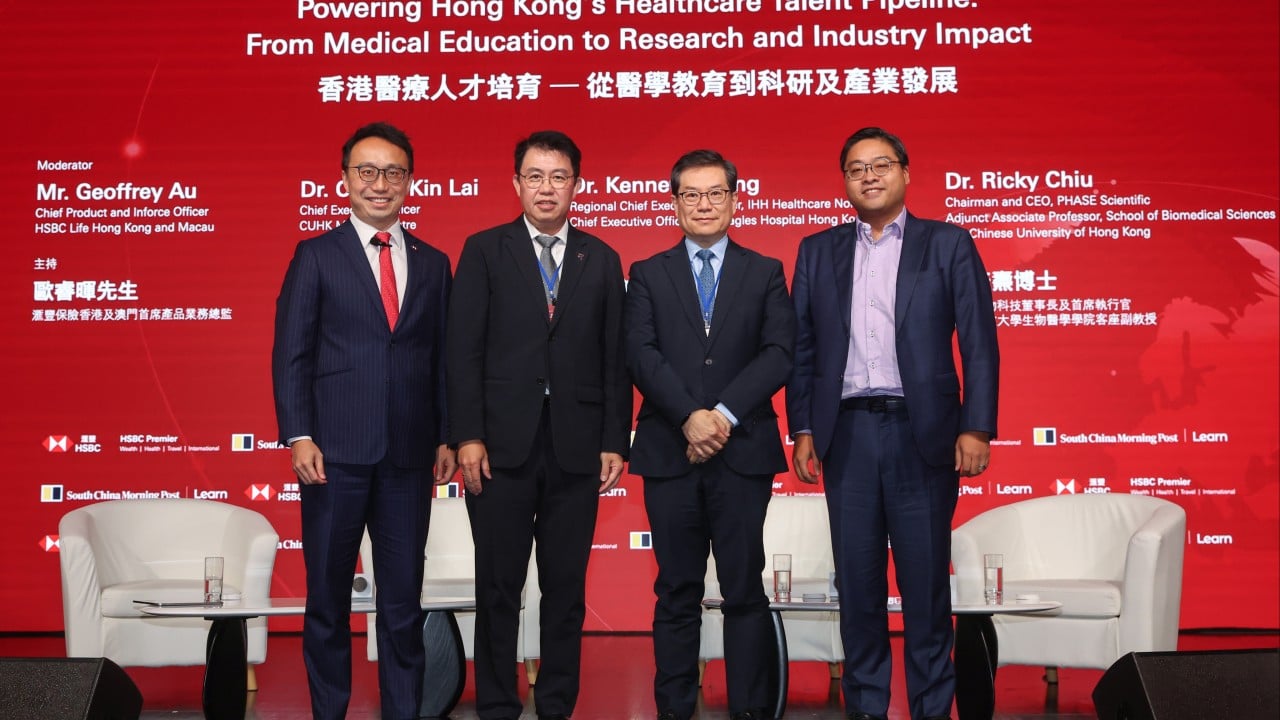
How can future doctors blend clinical rigour with AI fluency and empathy?
We explored how professionals in knowledge-intensive fields can integrate AI fluency with their core skills.
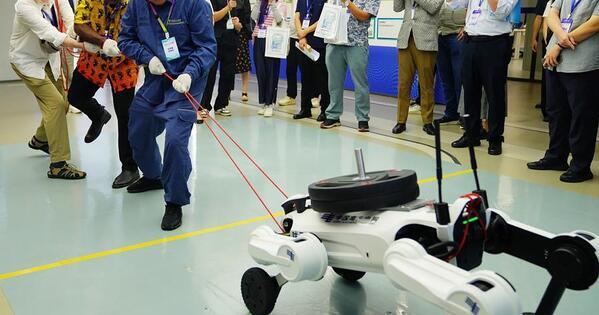
Asia-Pacific SMEs seek new growth through AI, deeper connectivity
This echoes how Asia-Pacific SMEs are also seeking growth by adopting AI and deeper connectivity.
People’s Daily rejects US claims of malicious AI distillation, warns of countermeasures

Databricks to Invest Over US$350 Million in Singapore, Double Its Workforce

Personetics Launches AI Banking Console for Relationship Managers
