
Moonshot tweaks the hack out of latest AI model
Chinese startup Moonshot AI has reportedly reduced the cyber-offensive capabilities of its new Kimi K3.1 Pro model, which it describes as its most capable three-trillion-parameter-class open-weight model. The company, which plans to publish the model's weights by November 4, stated it removed cyber-related data from the training process while retaining general coding skills.
Moonshot AI's Kimi K3.1 Pro is a new large language model, described as its most advanced, with a three-trillion-parameter-class scale. The company intends to release it as an open-weight model, meaning developers can access and modify the underlying files to run the AI on their own systems. This open access model introduces considerations regarding how its capabilities might be used, especially given growing concerns about AI's potential impact on cybersecurity.
The Beijing-based company stated it reduced the model's potential for cyber-offensive use by curating its development. This involved removing cyber-related data from the training corpus, the vast datasets used to teach the AI, and the reinforcement-learning environments that refine its behavior. Moonshot AI clarified that it aimed to preserve the model's general coding skills while explicitly preventing it from acquiring knowledge specific to cyberattacks, stating its goal is not to release models that would expand the frontier of cyber capability.
This move comes amid growing concerns among governments, technology companies, and security researchers that increasingly powerful AI could simplify and cheapen sophisticated hacking. While Moonshot AI has outlined its methodology and intent to mitigate such risks, these reported measures represent the company's stated approach. The effectiveness of these modifications in practice, and how they will be assessed by the broader AI and security community once the model's weights are published, remains to be seen.
Share this article
Related reading
6 stories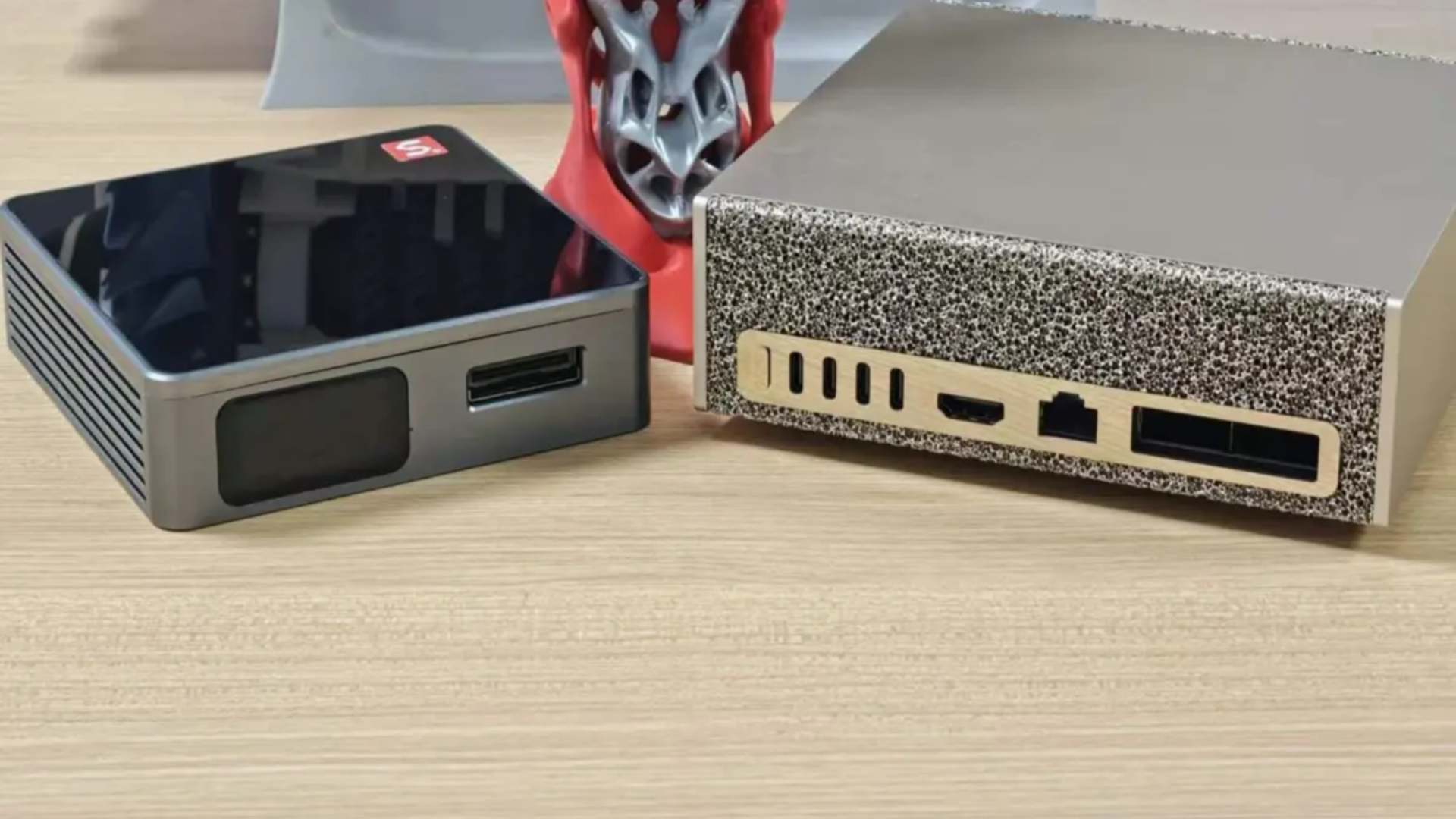
Plucky Chinese startup claims to beat Nvidia DGX Spark, Mac Mini on Qwen — says its '256 TOPS beats 1000 TOPS in prefill', running 16-core Cortex-A55 SoC on 40w
We recently covered a Chinese startup claiming to beat Nvidia on Qwen with their own tweaked AI model.

US or China? Why Kazakhstan refuses to pick sides as it eyes AI revolution

Revenant: dead programming languages haunt my terminal, no internet required

LUXEED And Aimoga Robots: Co-Building The Future Of Mobility Through A Connected Human-Vehicle-Home Ecosystem

Anthropic Blocks AI Game Clones in Claude Opus Update
