Meet Dai Zheng, the space veteran betting on China’s reusable rocket revolution
Dai Zheng, a former lead architect for China’s Long March 5 rocket, left a secure state engineering post a decade ago to join a private start-up. His gamble paid off on August 19 when a rocket booster successfully returned from orbit and landed upright, marking a first in Chinese commercial space history. This achievement by LandSpace, following an intense eight-month recovery effort after a December crash, validates Dai’s long-held belief in reusable rocket technology. The success is seen as crucial for cutting launch costs and supporting Beijing’s ambitious plans for large satellite constellations.
The successful landing of LandSpace’s reusable rocket booster on August 19 is less about a single technical achievement and more about the validation of China’s private space sector. Dai Zheng’s decade-long bet on commercial reusability, after leaving a prestigious role at CALT, shows Beijing's willingness to foster private innovation in a strategically critical industry. This shift points to a future where state-backed entities may increasingly rely on private firms for cost-effective solutions in space. The ability to recycle rocket parts is essential for China to build out its planned massive satellite constellations efficiently. This development suggests a more competitive and dynamic space industry emerging in China, which could impact regional players and supply chains. The thing to watch is how quickly LandSpace and other private Chinese firms can scale this reusability to consistently lower launch costs, as initial successes do not always translate to immediate commercial viability. The December crash during an earlier attempt highlights the ongoing technical challenges.
Share this article
Related reading
6 stories
Standard Chartered Signs Deal to Acquire Zodia Custody

Allianz Singapore Offers Up to S$50 for Haze-Related Medical Treatment

AI Can Find the Opportunity. Can Your Payment Platform Launch it First?

An AI apocalypse? Hong Kong’s real challenge is much less dramatic
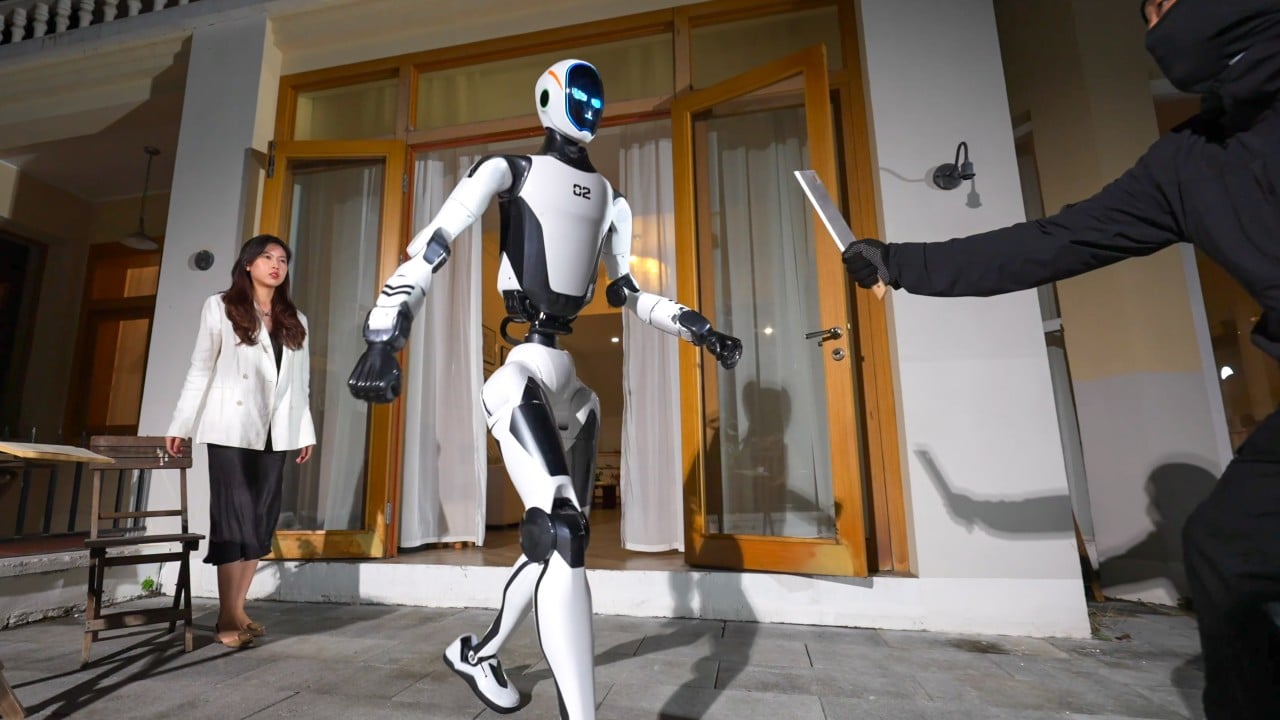
China’s Unitree unveils ‘guardian’ robot that can disarm attackers, lift cars