MAS Seeks Tighter Rules on Boards and Key Appointments at Banks, Insurers
The Monetary Authority of Singapore (MAS) has proposed new rules to tighten director independence and board composition for banks and insurers. The changes would require larger boards with a majority of independent directors for systemically important institutions and full banks, and extend MAS approval to more key appointments, including Chief Information Officers at systemically important banks.
The MAS consultation aims to strengthen corporate governance by refining criteria for director independence. Directors with employment or dealings involving related corporations or affiliates would be considered non-independent. This distinction seeks to ensure that oversight bodies are genuinely separate from management and business interests, which is a foundational principle for effective governance in complex financial entities.
The proposed requirements are tiered, with more stringent rules for institutions deemed systemically important or with greater retail reach. For example, domestic systemically important banks and insurers, along with full banks, would need larger boards where independent directors form a majority. Conversely, institutions with less retail reach or lower systemic importance might see some approval requirements for board and senior management appointments removed, reflecting a calibrated approach to regulation.
A notable expansion of MAS oversight includes requiring prior approval for key roles such as the Chairperson of the Nominating Committee at locally incorporated banks and insurers, and the Chief Information Officer (CIO) at domestic systemically important banks. MAS explicitly links these expanded approvals to the increasing importance of succession planning and managing technology and information risks. This suggests a recognition of how critical technology leadership has become within the financial sector.
The proposals also extend corporate governance standards to designated financial holding companies that have a bank or insurer subsidiary, generally aligning their requirements with those of their subsidiaries. This move aims to ensure consistent governance across broader financial structures, preventing potential gaps where holding companies might operate under different standards than their regulated subsidiaries. Feedback on these proposals is open until December 9, 2026.
Share this article
Related reading
6 stories
Sri Lanka’s Union Bank Upgrades Legacy Credit Card System With BPC

Hong Kong lawmakers say 5-year tax incentive too short to entice major innovative firms

FOMO Pay Taps Sumsub to Support Compliance Across Markets

JS-SEZ investment must reach local SMEs, not just big players — Lee Ting Han tells Johor State Treasury Day forum
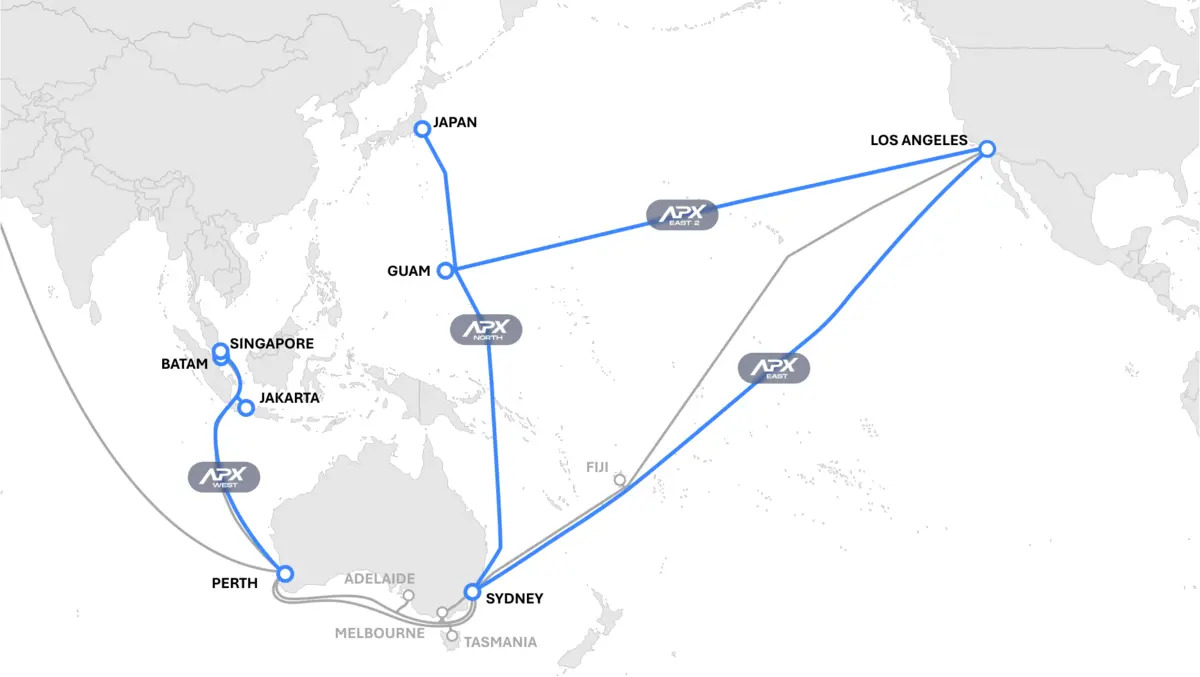
Subco unveils 40,000km Indo-Pacific subsea cable plan