Korea's Chip Sector Rides Nvidia CEO Turmoil, Needs AI Reset
Nvidia Chief Executive Jensen Huang returned to his role on the 23rd by unanimous board decision, 11 days after stepping down. U.S. President Donald Trump publicly stated he persuaded Nvidia's board, citing national security concerns over the AI and semiconductor rivalry with China. The KOSPI surged 6.32% on the 24th following the news.
Jensen Huang's unexpected return to Nvidia, after an affair scandal led to his stepping down, was directly influenced by U.S. President Donald Trump. President Trump publicly acknowledged his intervention, stating he had persuaded Nvidia's board to reinstate Huang. This action was explicitly linked to concerns over the artificial intelligence and semiconductor rivalry with China, suggesting that the U.S. administration views certain talent and companies as critical economic security assets.
The immediate market reaction in Korea underscored the country's economic vulnerability. The KOSPI jumped 6.32% on the 24th, closing above the 5,000 level for the first time in three trading sessions. This rapid fluctuation on the news of a single executive's fate laid bare Korea's heavy economic reliance on semiconductors for its exports, and specifically on Nvidia within that sector.
Major Korean companies are deeply integrated with Nvidia's operations. Samsung Electronics and SK hynix supply most of the high-bandwidth memory (HBM) used with Nvidia's graphics processing units (GPUs). Hyundai Motor is also identified as a strategic partner of Nvidia, illustrating the widespread connections across Korean industry.
Despite Huang's return, legal and political risks persist. Democrats in the U.S. have publicly pressed for an investigation into suspected smuggling of Nvidia's AI chips into China. Additionally, there are signs in the U.S. Congress that export controls on chips bound for China will be tightened further, potentially affecting existing supply chains and partnerships.
In response to this episode, the Korean government and industry are urged to accelerate efforts to reshape the country's AI ecosystem to reduce excessive dependence on Nvidia. While deepening alliances like that between Huang and Korean companies is suggested, the country also needs a structure to spread and cushion attendant risks.
Concrete actions proposed include staying ahead in high-bandwidth memory technology to maintain a competitive edge against China's challengers. Furthermore, Korea must advance neural processing unit (NPU) technology that can complement or replace GPUs, and diversify its partnerships to include companies such as AMD and Google. This strategic shift requires broad collaboration among government, academia, and labor unions, supported by sweeping budget, tax, and financial backing, alongside regulatory overhauls from the government and National Assembly, to cultivate indigenous technologies and companies that are irreplaceable.
Share this article
Related reading
6 stories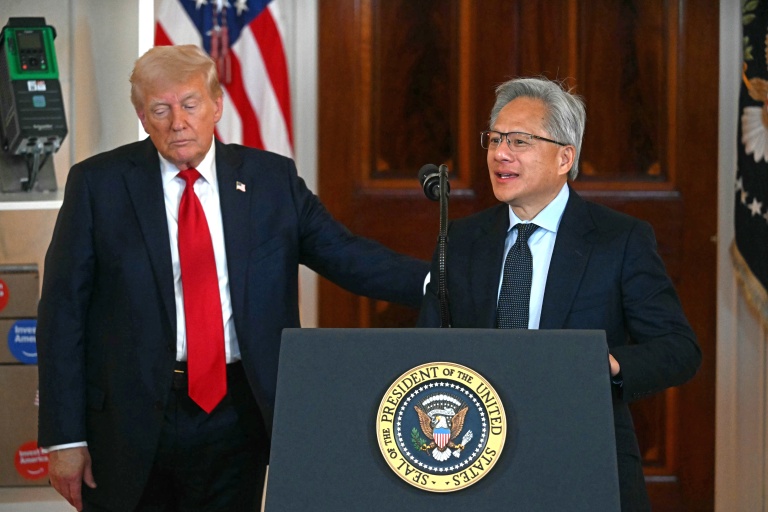
Congress targets Nvidia as Republican China hawks challenge Trump
We previously reported on the political tensions surrounding Nvidia, as Republican China hawks challenged Trump's stance.
DeepSeek is China’s latest developer to worry about losing control of AI

SurveySparrow launches MCP server to build and manage surveys inside Claude and ChatGPT
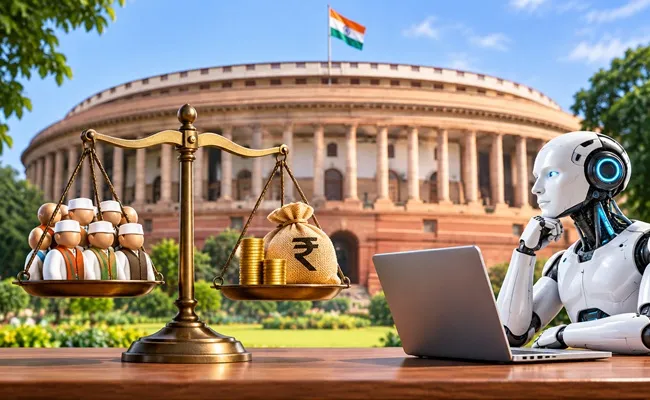
Why More MPs and MLAs in This AI Era?
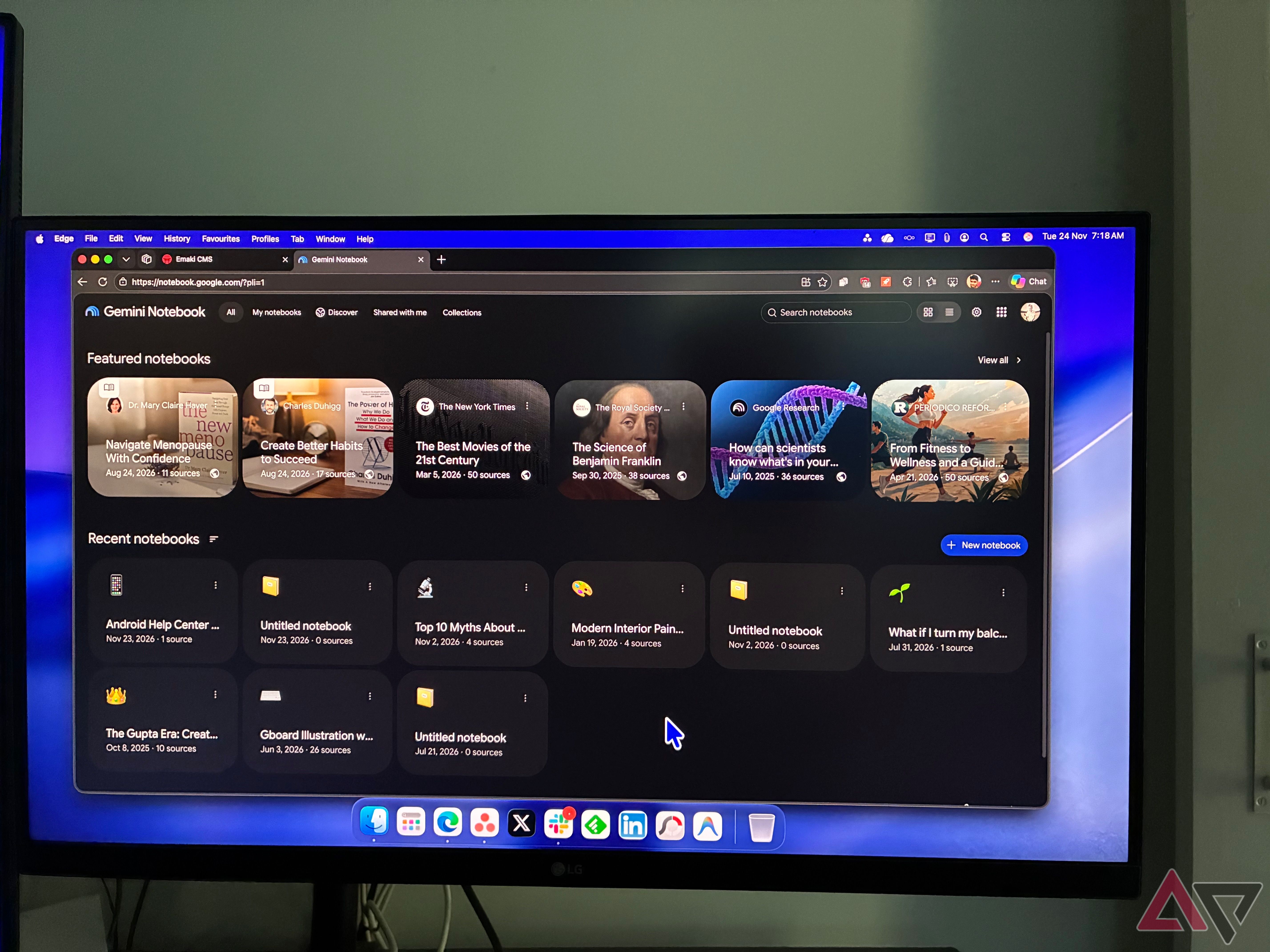
I built my own Android Help Center with Gemini Notebook; here's how it went