
Kimi K3 and DeepSeek V4 expose widening divide over native multimodality
The latest advancements in AI models like Moonshot AI’s Kimi K3 and DeepSeek V4 are highlighting a growing divergence in the development of native multimodal capabilities within China’s tech landscape. While some leading developers, including Moonshot AI and Alibaba, are integrating vision as a foundational element, others like DeepSeek and Tencent are prioritizing text-based improvements and post-training optimizations. This split reflects differing views on the timing and resource allocation for multimodality, a feature becoming increasingly crucial as AI agents tackle more complex, long-horizon tasks that benefit from visual feedback. The debate centers on whether native multimodality is an indispensable part of understanding the world or a resource-intensive add-on that could compromise core language and coding performance.
This report underscores a critical strategic fork in the road for Asia’s leading AI developers, particularly in China. The emphasis on native multimodality by players like Moonshot AI and Alibaba, contrasting with DeepSeek’s focus on text-based optimization, reveals a fascinating tension between ambitious long-term vision and immediate commercial viability. As AI agents become more sophisticated and user-facing, the ability to interpret visual input directly could be a significant differentiator, especially in applications like website generation, software operation, and complex R&D tasks where visual feedback is paramount. This divergence will likely shape competitive rankings and product development trajectories in the coming years, influencing which companies capture market share in an increasingly agent-driven AI landscape.
The resource allocation challenge highlighted in the article is particularly salient for Asian tech ecosystems, where intense competition often necessitates rapid iteration and efficient use of capital. The decision to invest heavily in native multimodality from the outset, as Kimi K3 has done, versus a more incremental approach, as DeepSeek V4 demonstrates, reflects distinct risk appetites and market hypotheses. This strategic choice will not only impact the technical capabilities of future foundation models but also the talent landscape, as evidenced by the increased demand for multimodality experts. Ultimately, the success of either approach will offer valuable lessons for the global AI community on balancing cutting-edge innovation with practical deployment and cost-effectiveness.
Share this article
Related reading
6 stories
GPT-5.6 model family arrives in Kiro with lower cost per completed task
We traced the latest GPT model family's arrival in Kiro, showing how new models impact cost and performance.

Canva releases its first image generation model
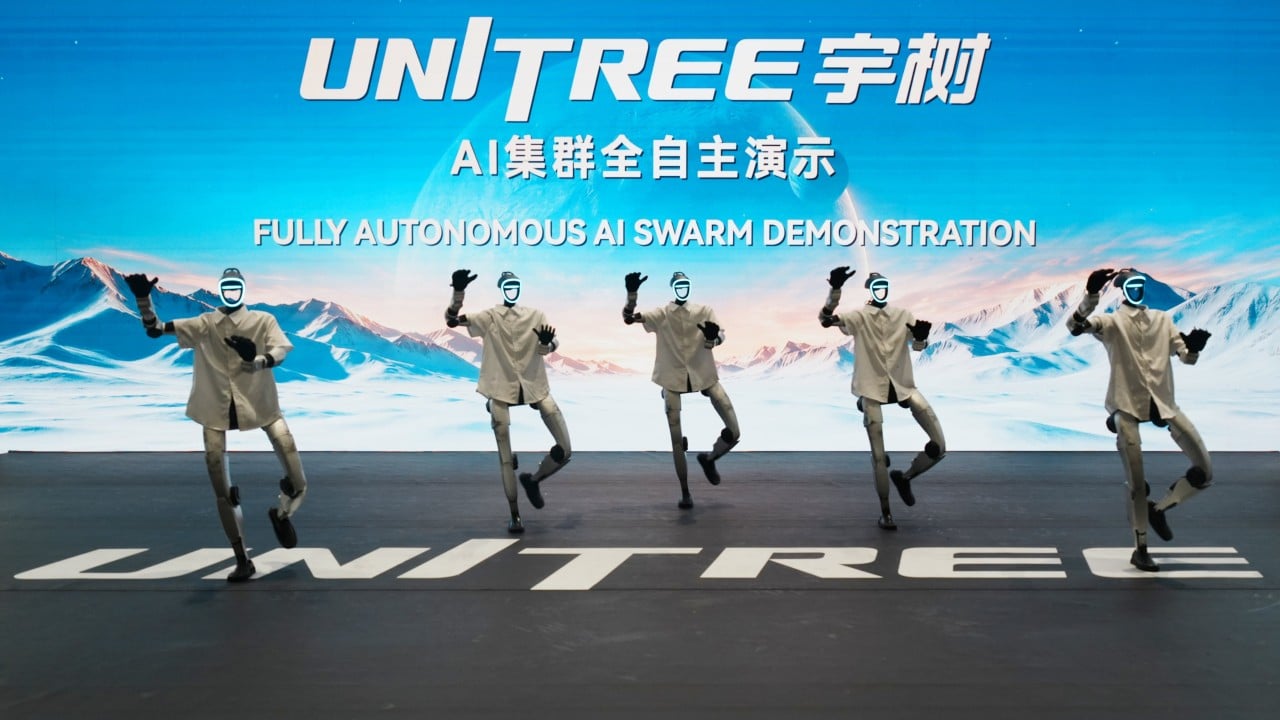
Unitree developing AI system to let humanoid robots improve themselves

Nirva raises $33M for a pendant that only listens to you

Cybersecurity Alert: AI Finds PHP Flaws, eMudhra Faces Certificate Concerns
