
Khosla Ventures doubles down on Even Healthcare to challenge India’s hospital economics
Even Healthcare, an Indian startup, has secured $50 million in a Series B funding round led by Khosla Ventures, bringing its total capital raised to over $120 million. The company, now valued at $300 million, aims to transform hospital economics and doctor compensation in India by focusing on patient care rather than volume-driven treatments.
Even Healthcare's model centers on aligning incentives within the healthcare system to prioritize patient outcomes. The company pays doctors fixed salaries, rather than linking compensation to the number of procedures or tests performed. This approach is intended to remove financial motives for unnecessary treatments. This incentive structure extends to hospital management and other staff, who receive equity and company-wide incentives, aiming to foster a collective stake in the startup’s long-term performance and patient well-being.
Initially, Even relied on partner hospitals but shifted to building and operating its own facilities after finding what it considered unnecessary tests and recommended surgeries for its members. This move to direct control over care delivery is intended to ensure adherence to its patient-centric philosophy and manage costs. Even has opened two hospitals in Bengaluru, which it states reached operational profitability, excluding depreciation, within a year, and plans for five more in the city.
Even generates most of its revenue from patient payments and through relationships with insurers. It is also working with insurer partners on a model that could compensate it for hospitalizations it helps prevent, rather than solely for providing treatment. The company tracks patient recovery using established medical scoring systems, such as the Oxford Knee Score for knee replacements, and publishes these results on its website for comparison with other healthcare systems. This focus on measurable outcomes underpins its stated goal of rewarding better health rather than higher service utilization.
Share this article
Related reading
6 stories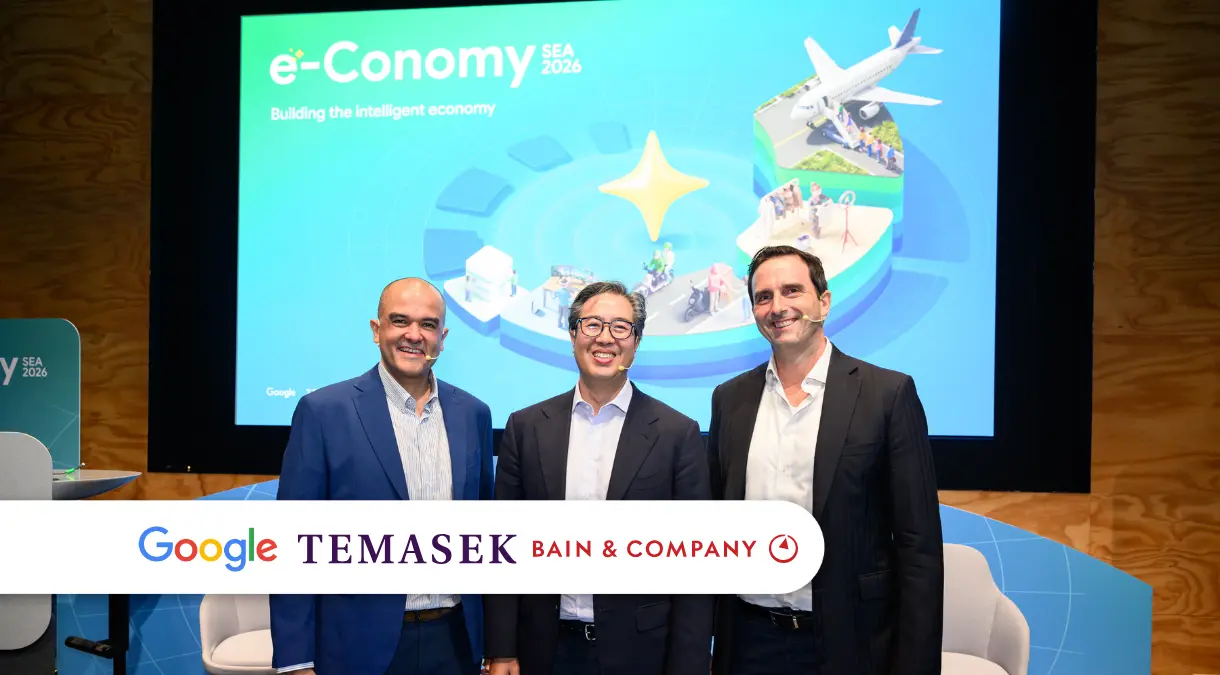
e-Conomy SEA 2026: Singapore Leads in Digital Wealth and AI Use

Standard Chartered, Air India Partner on Wealth and Travel Benefits

OCBC Becomes First Non-Malaysian Bank to Offer Ringgit Savings in Singapore

SBI Probes Data Breach Involving 3,897 Customer Records
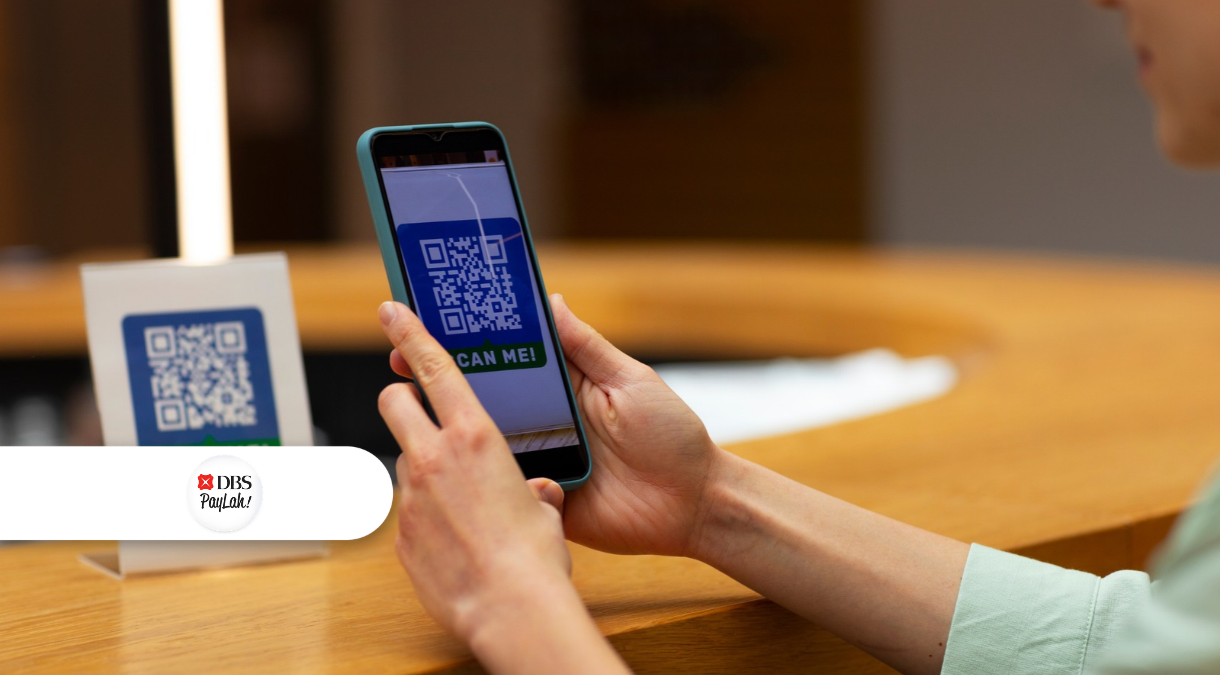
DBS PayLah! Expands QR Payments to Taiwan
