
Jollibee banks on global buzz, picks Hong Kong listing for overseas assets
Jollibee Foods Corporation (JFC) plans to spin off its international assets into a new entity, Jollibee Foods Corporation International (JFCI), which will list in Hong Kong, likely in 2027. This move aims to expand JFC's appeal beyond the Filipino diaspora and offer investors direct exposure to its global holdings, which include South Korean coffee giant Compose Coffee and Michelin-starred Tim Ho Wan. The strategy follows a challenging first half of 2026, where JFC's net profit dropped 16.7% year-on-year due to rising costs and easing revenue growth, partly attributed to the global energy crisis impacting the Philippine economy. The company seeks to build mainstream brands in each market, with international operations now accounting for the majority of its growth, despite domestic operations contributing 75% of global operating income in the first half of 2026.
Jollibee's decision to list its international assets in Hong Kong as JFCI by 2027 reflects a clear pivot towards global market dominance beyond its traditional Filipino diaspora customer base. This strategy, anchored by a capital-light, franchise-led model, aims to unlock value for investors by separating the stable domestic business from the higher-growth international arm. The company's international portfolio, including Compose Coffee and Tim Ho Wan, already boasts over 4,500 beverage outlets, demonstrating a significant shift in its operational focus. While the move offers potential for higher valuations and faster international expansion, Jollibee faces headwinds, particularly in the domestic Philippine market, where operating income growth targets have been trimmed for 2026. The company's share price dropped over 30% since the start of the Iran war, reflecting investor concerns over sustained earnings recovery. The success of JFCI will depend on its ability to navigate diverse international consumer preferences and economic conditions, especially given the sluggish consumer economy in China, a key market for some of its international brands.
Related reading
6 stories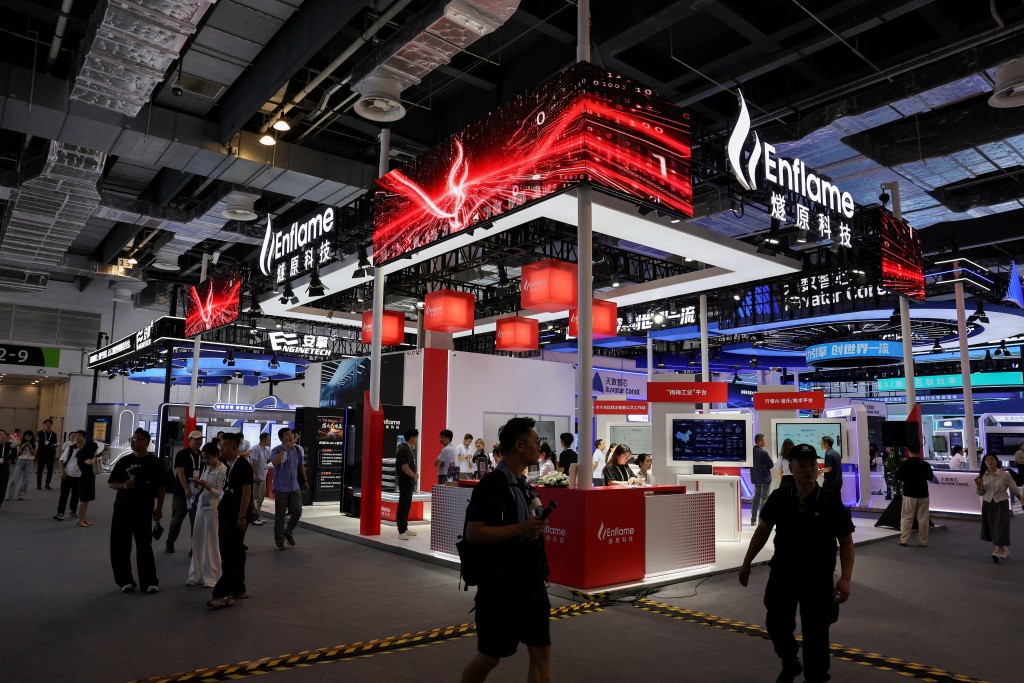
Tencent-backed Enflame to debut in Shanghai on Friday in $912 million IPO
Tencent-backed Enflame's $912 million IPO in Shanghai offers a parallel to Jollibee's listing strategy.
Chinese AI firm DeepSeek taps underwriters including Citic Securities for IPO: sources
Chinese AI firm DeepSeek tapping underwriters for its IPO shows another company pursuing public market expansion.

Singapore Rolls Out Over 200 AI Courses With Free Access to Selected Premium Tools
Huawei unveils latest tech to boost AI power in push to break China’s Nvidia reliance
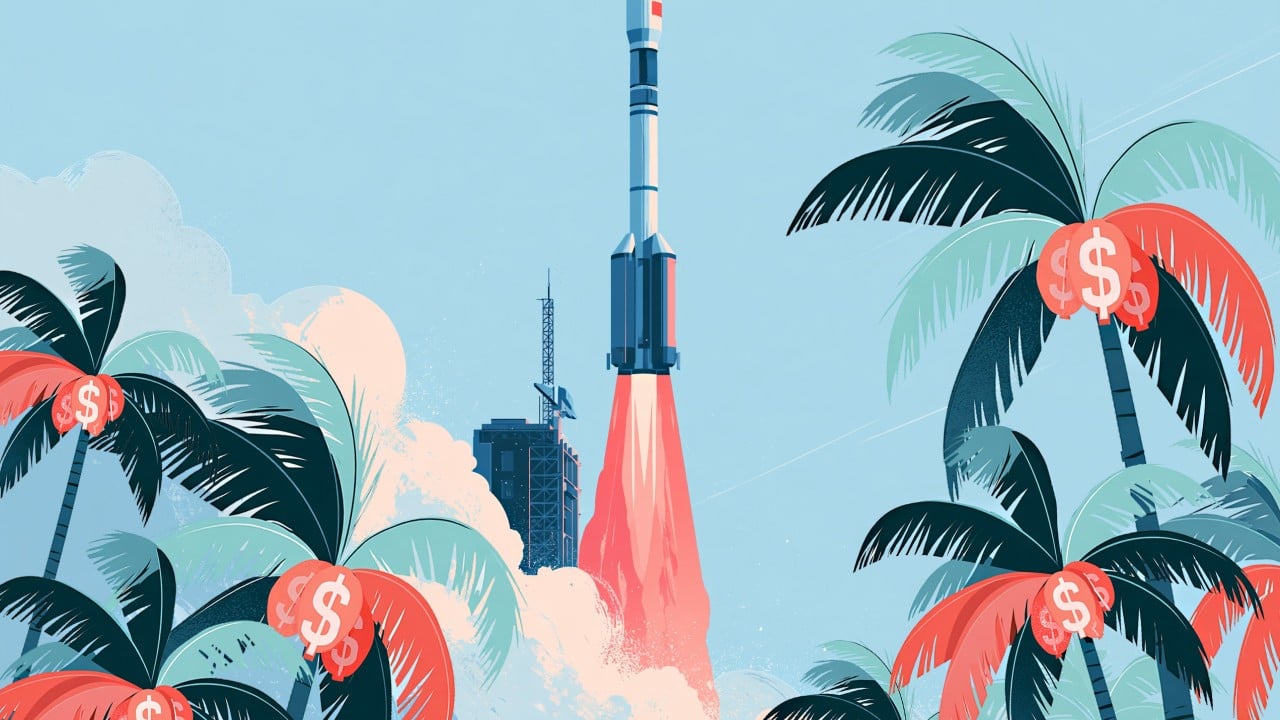
China’s rocket boom turns Hainan into a space hub. Can launches fuel wider growth?
