Japan Uses AI To Help Prevent Suicides
In Japan, artificial intelligence systems are being deployed in railway stations and commercial buildings to aid in suicide prevention efforts. This initiative leverages AI technology to identify and potentially intervene in situations where individuals may be at risk. The adoption of such advanced systems highlights a growing trend in Japan to utilize technological solutions for pressing social issues. This approach aims to provide an additional layer of support and early detection in public spaces, contributing to broader mental health strategies. The implementation of AI in this sensitive area reflects a commitment to exploring innovative methods for societal well-being.
The deployment of AI for suicide prevention in Japan represents a significant development for Asia's tech ecosystem, showcasing the region's willingness to apply advanced technology to complex social challenges. This move not only highlights the growing sophistication of AI applications beyond traditional business sectors but also underscores a societal imperative to leverage innovation for public health. It positions Japan as a leader in ethical AI deployment, particularly in sensitive areas like mental health, which could influence similar initiatives across other Asian nations facing comparable social pressures.
From a market dynamics perspective, this creates new opportunities for AI developers specializing in behavioral analysis and public safety. It also signals a potential shift in government and private sector investment towards AI solutions with direct social impact, moving beyond purely economic returns. The success and ethical considerations of these Japanese deployments will likely serve as a case study for other Asian markets contemplating similar AI integrations, potentially fostering a new niche within the region's burgeoning AI industry focused on social good.
Related reading
6 stories
People’s Daily rejects US claims of malicious AI distillation, warns of countermeasures

Databricks to Invest Over US$350 Million in Singapore, Double Its Workforce

Personetics Launches AI Banking Console for Relationship Managers

Anthropic Sets October Launch for Singapore Office With Local Hiring Planned
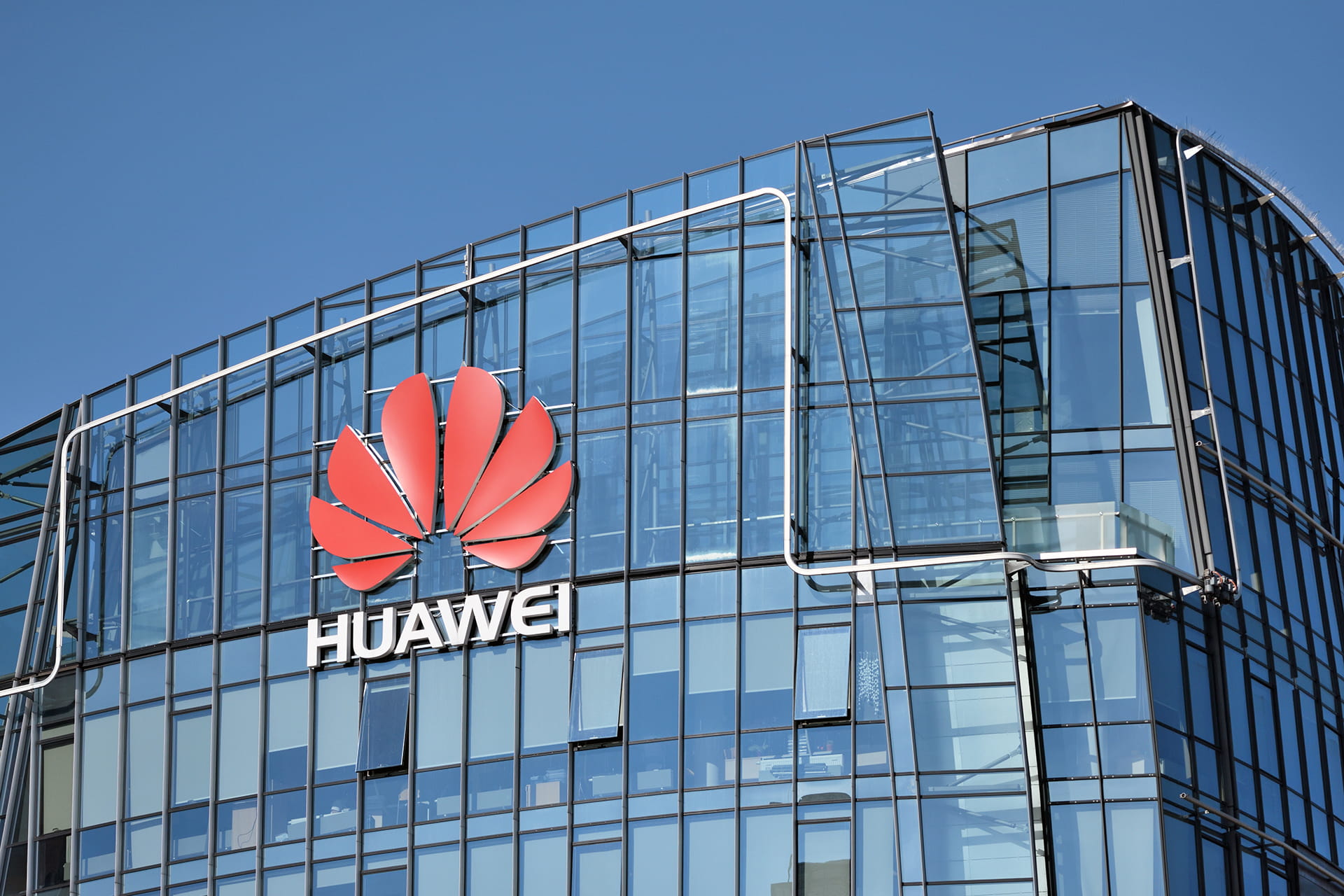
Huawei unveils new optical tech standard in challenge to Nvidia, Broadcom