Intel CEO says Chinese frontier AI model adoption has been 'very fast'
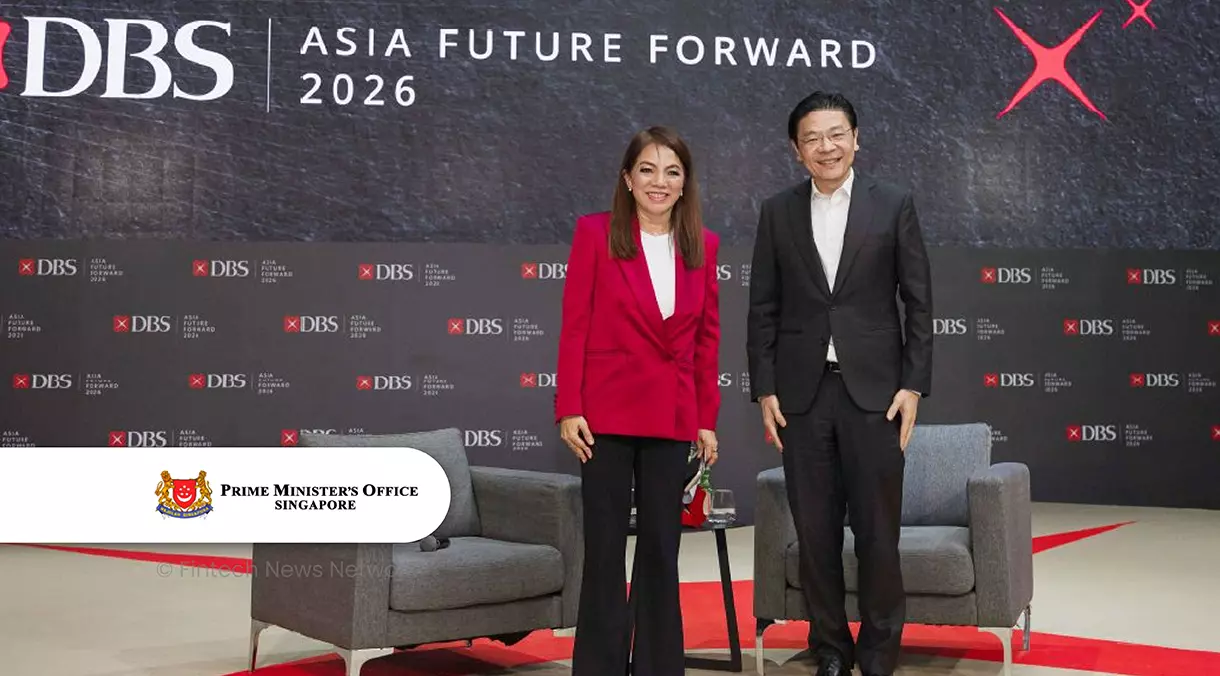
Intel CEO Lip-Bu Tan reported on Monday that Chinese frontier AI models are seeing "very fast" adoption due to lower token costs. Speaking at a DBS-organised panel, Tan evaluated models like DeepSeek, Kimi, and GLM as having "good enough" performance, advocating for open-source development to drive efficiency.
The Intel CEO's comments highlight a competitive dynamic in the frontier AI model space, where cost-effectiveness can be a primary driver of adoption. The reported "lower token costs" of Chinese models suggest a practical advantage for users, making these models accessible to a broader range of applications and budgets.
The assessment that Chinese models are "good enough" implies that for many use cases, their performance meets user requirements without necessarily being at the bleeding edge. This balances the often-cited pursuit of maximum performance with the real-world considerations of utility and expense, especially for businesses integrating AI into their operations.
Tan's emphasis on open-source principles as a driver of efficiency points to a potential long-term trend. Open-source models can foster innovation and reduce barriers to entry, allowing markets to naturally select the best models for diverse applications, rather than relying solely on proprietary solutions.
Share this article
Related reading
6 stories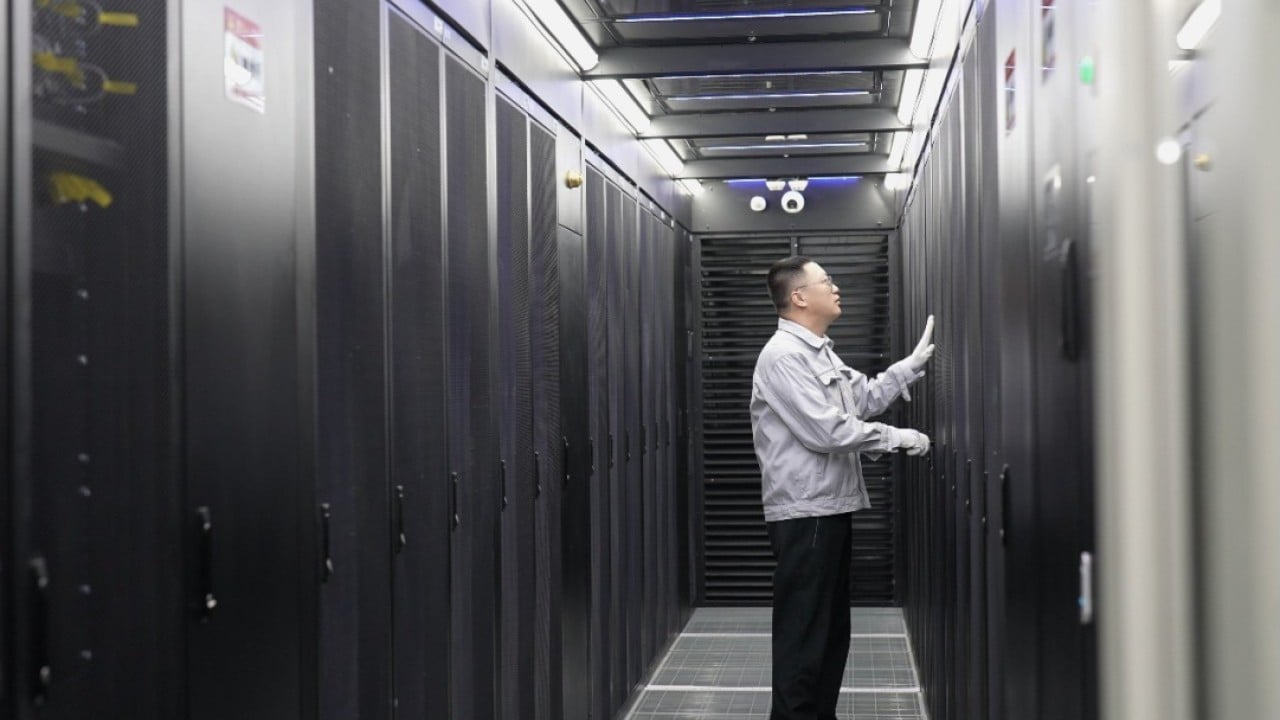
China Mobile triples capacity at mega Inner Mongolia computing hub amid nation’s AI push
China's push for AI adoption, driven by cost-effectiveness, is supported by massive infrastructure investments like this computing hub.

Mainland Chinese traders boost Hong Kong stock buying for fourth month as AI bets surge
The rapid adoption of Chinese AI models is fueling investor confidence and boosting stock buying, particularly in Hong Kong.

Mastercard Expands APAC Dining Programme to 1,300 Restaurants

China’s Iluvatar CoreX’s first AI computing supernode squeezes most GPUs in 1 system
FIS Launches Agentic AI Tool for CFOs to Spot Cash Flow Risks Earlier