India’s chips will go global: PM Modi
India's Prime Minister Narendra Modi announced an ambitious plan for the country to become a global hub for semiconductor manufacturing and design. The Semicon 2.0 initiative aims to establish 200 chip-design firms within India. India seeks to compete on a global scale in the semiconductor industry. The government plans to attract significant investment and talent to achieve these goals.
PM Modi's declaration that India's chips will go global is a direct challenge to established semiconductor hubs. The focus on 200 chip-design firms under Semicon 2.0 shows a clear intent to build indigenous IP, not just manufacturing capacity. India aims to capture higher-value segments of the chip supply chain, moving beyond assembly. India is betting on its engineering talent pool.
For Asia, this means increased competition for foreign direct investment in the chip sector. Countries like Vietnam and Malaysia, which have attracted significant semiconductor assembly and test operations, will watch India's design ambitions closely. The test for India is whether it can attract top-tier global design houses or cultivate domestic champions. This could shift regional talent flows.
The thing to watch is the specific incentives and timelines for these 200 design firms. Real success depends on securing long-term commitments from major global foundries for fabrication. Without that, India risks creating design capacity that cannot be scaled to volume production domestically. The next 12 months will show if concrete investments follow Modi's ambition.
Related reading
6 stories
Chip foundries better insulated in an AI slowdown than Asia-Pacific tech peers, S&P says
Our analysis last year explored how chip foundries are insulated from AI slowdowns, a key factor for India's ambitions.
Will AI adoption shrink office space? Asia-Pacific firms are on the fence in survey
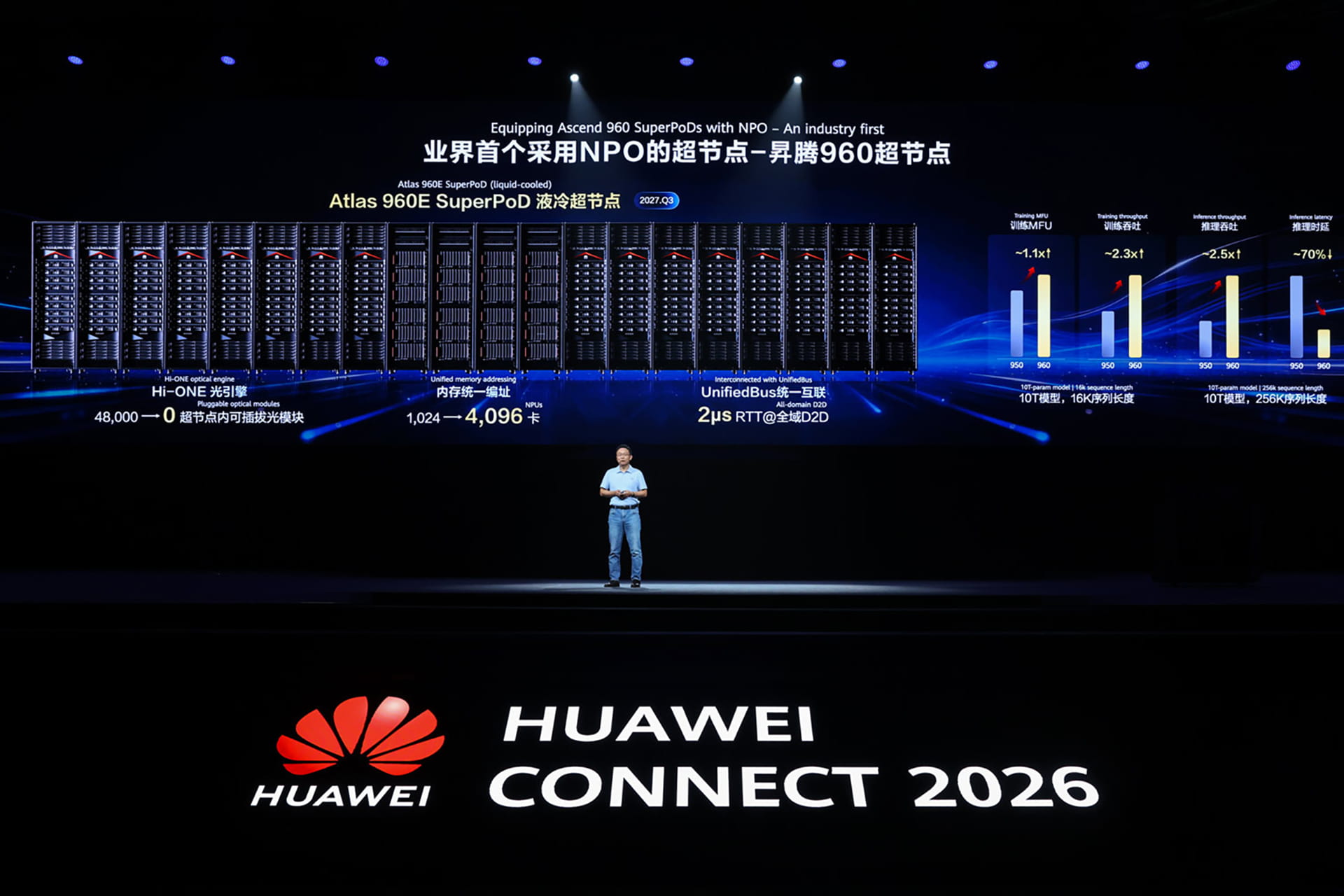
Huawei brings near-packaged optics to AI with Atlas 960E superpod

OCBC Extends Bank of Ningbo Partnership as 20 Percent Shareholder
China to see major shift to Huawei for AI model training in 2027: rotating chair