India PM Modi’s BJP replaces social media head weeks after youth protests
India’s ruling Bharatiya Janata Party (BJP) has replaced its social media head, a move that comes weeks after youth protests highlighted the party’s online engagement strategy. This reshuffle marks the first significant personnel change under the new BJP president, Nitin Nabin, who assumed his role in January. The decision likely reflects an internal assessment of the party’s digital outreach and its effectiveness in managing public sentiment, particularly among younger demographics. Such changes often signal an intent to refresh communication tactics and adapt to evolving online political landscapes. The new social media head will face the challenge of navigating India’s complex digital sphere while aligning with the party’s broader political objectives.
This personnel change within India’s ruling BJP, specifically concerning its social media leadership, holds significant implications for the broader tech and policy landscape in Asia. Political parties in India, like many across the region, increasingly rely on sophisticated digital strategies to engage with citizens, disseminate information, and counter misinformation. A reshuffle at this level suggests a re-evaluation of current approaches, potentially leading to new investments in social media tools, data analytics, and digital campaign management technologies. This could create opportunities for tech startups specializing in political tech, public relations, and sentiment analysis.
Furthermore, the context of youth protests highlights the critical role of social media in shaping public discourse and mobilizing dissent. Governments and political entities are constantly refining their strategies to manage online narratives, which often involves balancing freedom of expression with concerns about stability. The BJP’s move could signal a more aggressive or nuanced approach to online content moderation, engagement with influencers, or the development of proprietary platforms. This evolution in political digital strategy in a major Asian economy like India often sets precedents or influences trends in neighboring countries, impacting the regulatory environment for social media companies and the broader digital economy.
Related reading
6 storiesChinese Hackers Use DeepSeek to Boost Attacks, Researchers Say - Bloomberg.com
Chinese hackers using AI to boost attacks shows another side of digital strategy and its challenges.
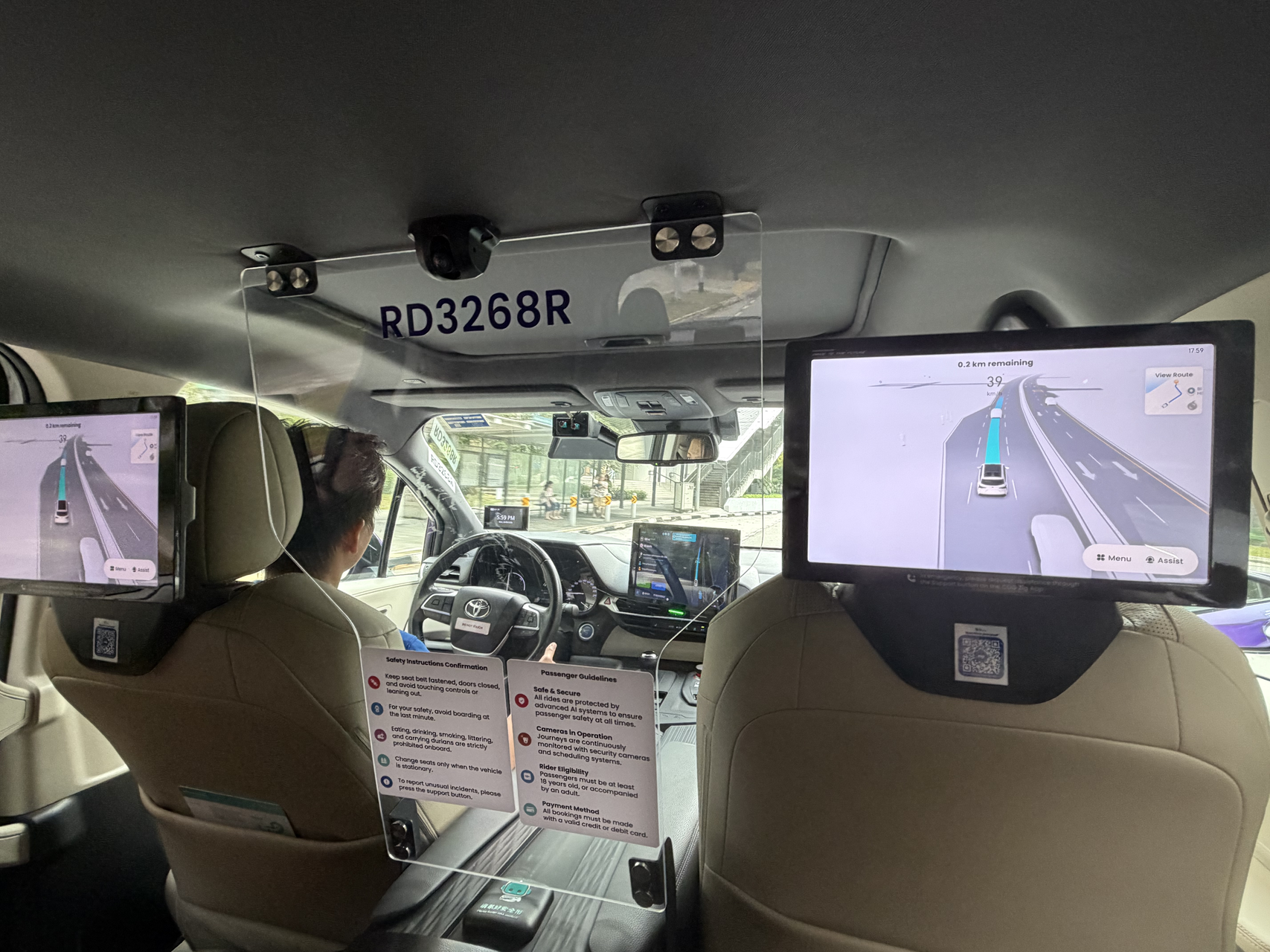
If driverless cars already work, why aren’t they everywhere?

Databricks to Invest Over US$350 Million in Singapore, Double Its Workforce

Sumsub Launches Workforce Verification as Deepfake Risks Grow
ByteDance’s AI-enhanced short-drama app eclipses China’s Netflix rivals combined