
India Digital Payments Expected to Drive Strong Annual Growth Through 2031
India’s digital payments ecosystem is projected to reach approximately 702 billion annual transactions valued at over INR 1,086 trillion (US$11.3 trillion) by 2031, according to PwC estimates. This represents a 2.6-fold increase in volume and a threefold rise in value over five years, with Bharat Connect, UPI, and credit cards driving much of this growth.
The projected growth in India's digital payments suggests a continued evolution of payment habits, with digital rails becoming more central to daily financial activities. Bharat Connect, specifically, is anticipated to show the strongest growth, driven by an expansion beyond utility bills to include a wider array of recurring payments like credit card bills and loan repayments. This indicates an increasing reliance on digital platforms for managing diverse financial obligations.
UPI, already a significant player, is expected to sustain its growth through expanded merchant acceptance, new payment applications, and international reach. The integration of artificial intelligence for functions such as credit scoring and fraud detection, alongside planned agentic commerce capabilities, points to a strategic evolution. This suggests UPI is moving towards more sophisticated, embedded financial services rather than just basic transaction processing.
The credit card market is also projected to expand, not primarily through larger individual transaction amounts, but by an increase in transaction frequency and broader market penetration. Developments like the linkage of RuPay with UPI and the growing role of e-commerce in credit card usage highlight how interoperability and digital retail are transforming how credit cards are used. This indicates a shift in how traditional payment instruments adapt to and integrate with the evolving digital landscape.
Despite the strong digital growth forecasts, the continued relevance of cash, particularly in rural and informal sectors, suggests a nuanced adoption landscape. The increase in currency in circulation in FY26 indicates that digital payments are gaining share in specific contexts, but physical currency remains preferred in others. This implies that while digital transformation is underway, it is not a uniform or complete displacement of traditional methods across all segments of the economy.
Share this article
Related reading
6 stories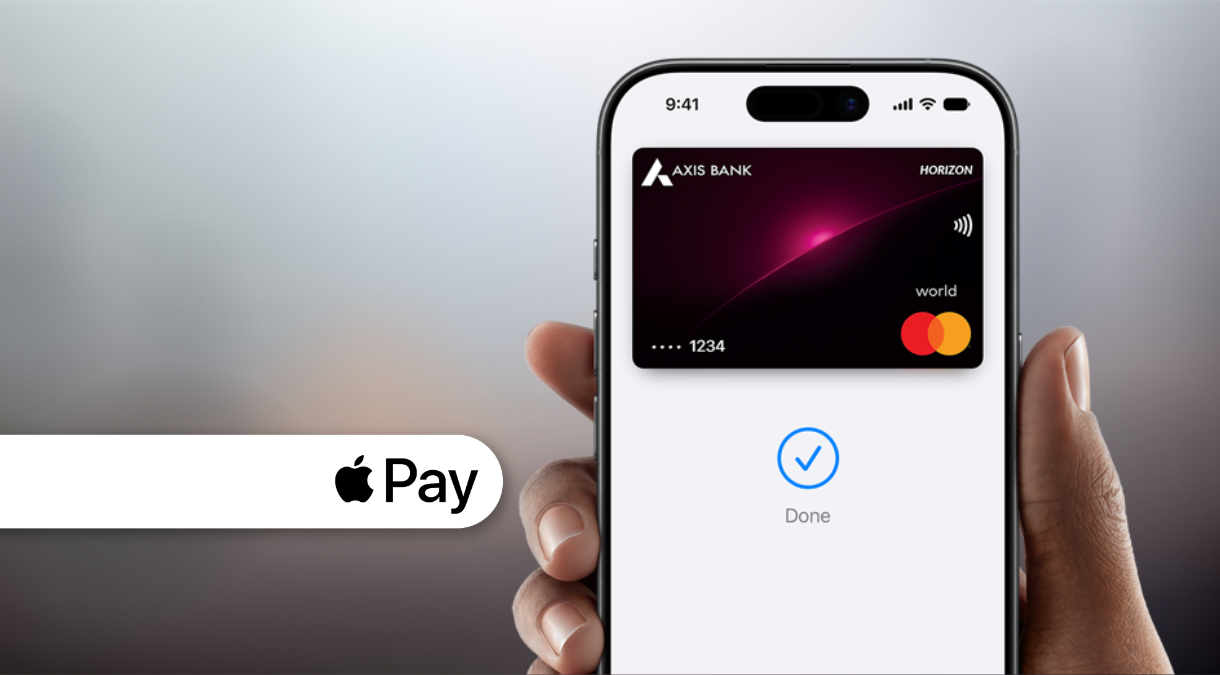
Apple Pay Arrives in India for Axis Bank Credit Card Users
Our past coverage noted Apple Pay's arrival in India, expanding digital payment options for consumers.

Hong Kong lawmakers say 5-year tax incentive too short to entice major innovative firms

FOMO Pay Taps Sumsub to Support Compliance Across Markets

JS-SEZ investment must reach local SMEs, not just big players — Lee Ting Han tells Johor State Treasury Day forum

PewDiePie’s OpenAI controversy takes a new turn with his “less restricted” Ajax AI
