In the race for AI dominance, the U.S. relies on a surprising ally: China
Despite Washington's portrayal of AI development as a competitive race, many U.S. companies are reportedly relying on Chinese AI models, such as Moonshot AI's Kimi K3, for their affordability. This reliance persists even as U.S. officials raise national security concerns and probe the use of Chinese AI, according to a report from Beijing.
The ongoing debate about U.S.-China AI competition often overlooks the practical dependencies that have formed between the two economies. While U.S. officials voice concerns about Chinese AI development and alleged intellectual property issues, American companies are actively integrating Chinese-made AI models and hardware into their operations, driven by cost-effectiveness.
This dynamic creates a complex situation for U.S. policymakers. When the Trump administration considered banning Chinese AI for national security reasons in July, a coalition of nearly 300 domestic companies loudly objected. This indicates a substantial commercial reliance that constrains the pursuit of technological independence.
Chinese "open weight" AI models, which can be customized and are cheaper than their "closed" Silicon Valley counterparts, are finding a strong market in the U.S. for routine tasks. This challenges the U.S. lead in cutting-edge AI and poses a dilemma for the government, as these more accessible options from China are becoming integral to parts of the U.S. economy.
Share this article
Related reading
6 stories
China Struggles to Attract Foreign AI Talent Despite Push: Study
We previously reported on China's challenges in attracting foreign AI talent, a factor in its global AI ambitions.

Mastercard Expands APAC Dining Programme to 1,300 Restaurants
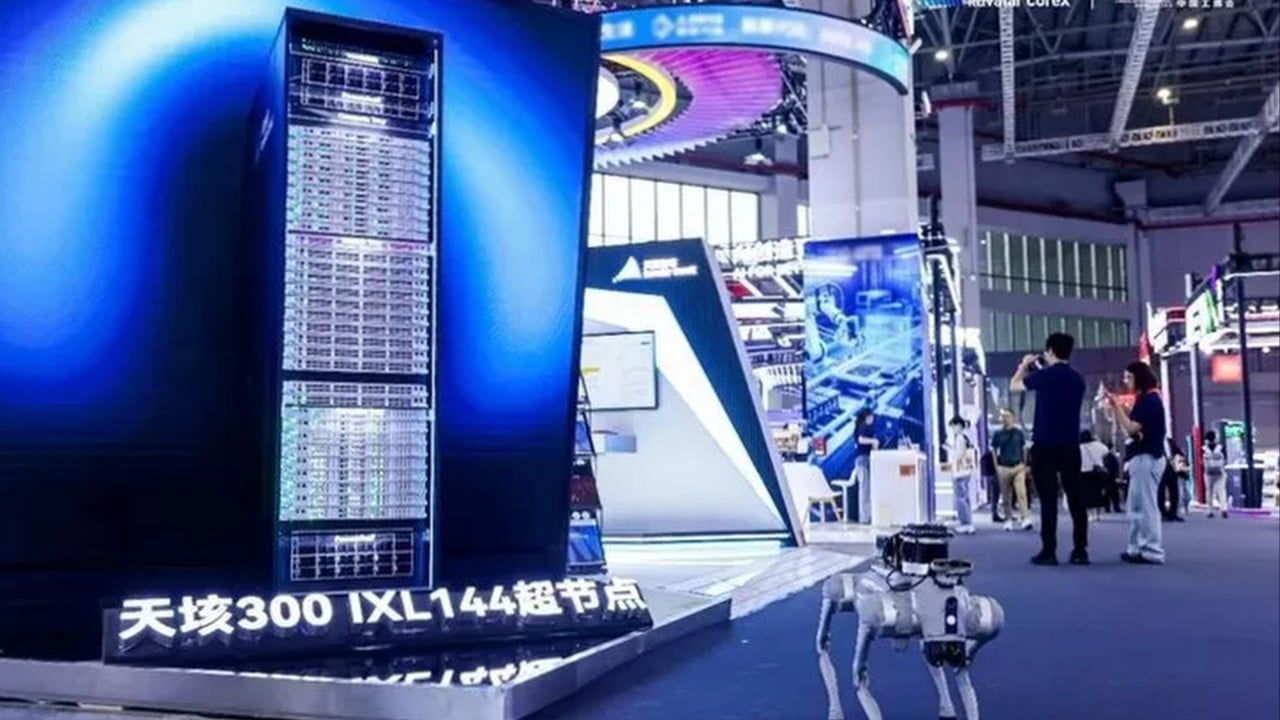
China’s Iluvatar CoreX’s first AI computing supernode squeezes most GPUs in 1 system

FIS Launches Agentic AI Tool for CFOs to Spot Cash Flow Risks Earlier

Mainland Chinese traders boost Hong Kong stock buying for fourth month as AI bets surge