China Struggles to Attract Foreign AI Talent Despite Push: Study
A Carnegie Endowment study indicates that China faces challenges in attracting foreign AI talent. The research projects that for every 30 Chinese AI researchers working in the US by 2025, only one will have relocated to China, despite Beijing's efforts to incentivize such a move.
The reported imbalance in AI talent flow suggests that national incentives alone may not be sufficient to overcome the gravitational pull of established AI ecosystems. Beijing's push for talent is a policy response to the strategic importance of AI, but the study implies that other factors, such as research infrastructure, academic freedom, or career opportunities, might weigh more heavily for researchers.
This dynamic establishes a useful distinction between policy ambition and practical outcomes in the global competition for AI leadership. While a country can declare its intent to become a leader and allocate resources, the actual movement of highly specialized professionals depends on a complex interplay of personal and professional considerations that transcend financial incentives. The study measures one aspect of this outcome.
The finding implies that the development of a robust domestic AI sector in China may rely more on cultivating local talent pipelines and retaining its own researchers, rather than significantly reversing the brain drain from abroad. The evidence from the Carnegie Endowment study speaks to the difficulty of engineering talent migration against prevailing trends, even with dedicated national programs.
Share this article
Related reading
6 stories
In the race for AI dominance, the U.S. relies on a surprising ally: China
We previously explored the complex US-China relationship in the global race for AI dominance and talent.

Mastercard Expands APAC Dining Programme to 1,300 Restaurants
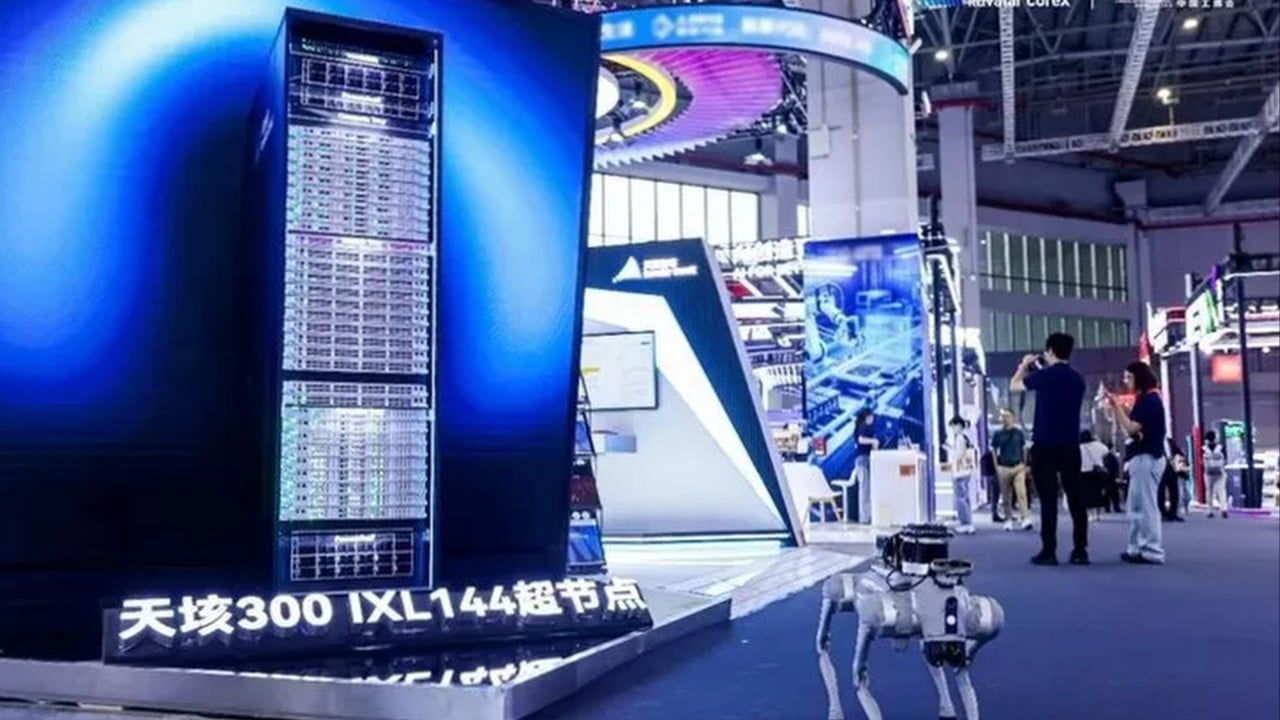
China’s Iluvatar CoreX’s first AI computing supernode squeezes most GPUs in 1 system

FIS Launches Agentic AI Tool for CFOs to Spot Cash Flow Risks Earlier

Mainland Chinese traders boost Hong Kong stock buying for fourth month as AI bets surge