
Image of Akhilesh Yadav Posing With the Jamui Molestation Case Accused Is AI
An AI-generated image falsely depicting Samajwadi Party president Akhilesh Yadav with Nandan Yadav, an accused in the Jamui sexual harassment case, circulated on social media. Nandan Yadav and an accomplice were arrested on September 22, 2026, for molesting a minor girl and her friend in Bihar. Fact-checkers confirmed the image's inauthenticity using AI detection tools, including OpenAI's own detector, which identified a SynthID watermark. The image was 99.9 percent likely to be AI-generated, according to Hive Moderation.
The rapid detection of an OpenAI SynthID watermark on a deepfake image of Akhilesh Yadav shows the evolving arms race in AI authenticity. OpenAI's tool confirmed the content was generated using its platforms. This immediate identification is crucial for public trust in political discourse, especially in a region prone to digital misinformation.
For Asian regulators, this incident underscores the urgency of implementing clear AI provenance standards. India's election commission, for example, faces a critical test in the upcoming 2027 state elections. Without verifiable digital watermarks or robust detection, deepfakes can significantly sway public opinion and undermine democratic processes. The onus is on platforms to integrate these tools effectively.
The key thing to watch is whether other major AI model developers in Asia, such as those in China or South Korea, will adopt similar watermarking technologies. A unified industry standard for AI-generated content could significantly curb the spread of political deepfakes. Without it, the risk of sophisticated misinformation campaigns remains high.
Related reading
6 stories
ChatGPT mobile app gets voice-based agentic features
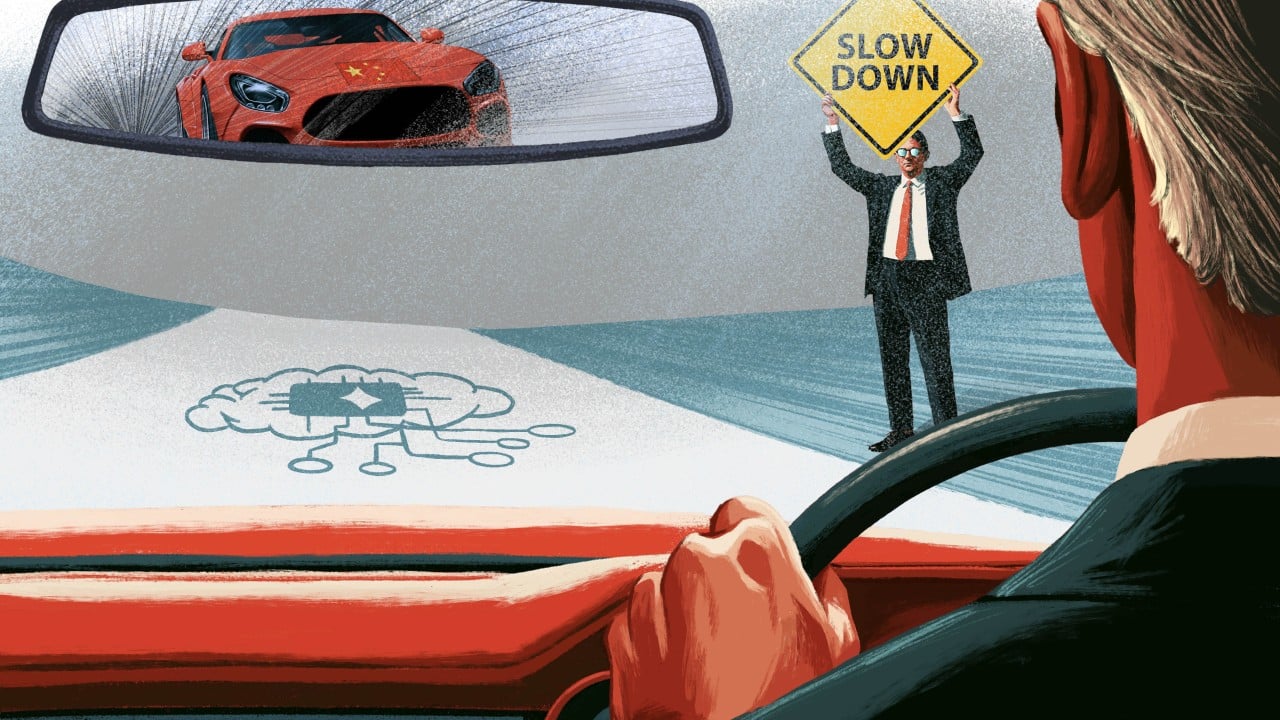
Pacing problem: can AI fears overcome US-China race dynamics and force a slowdown?

Eight Sleep’s new Pod 6 comes in smaller and solo sizes, starting at $1,999

YouTube releases new AI features for creators within its Studio app

AI leaders to brief UN amid warnings the technology could slip beyond human control
