
Hypeart Visits: Yichen Ji on the Human Side of Technology
Artist Yichen Ji, raised in Shanghai and now based in New York, integrates computational processes with traditional materials across diverse mediums including digital media, sculpture, installation, and printmaking. His work explores the human experience of technology, notably through "Synthetic Genesis," an installation where visitors can converse with 100,000 AI personas via a futuristic payphone.
Ji reportedly emphasizes the "friction" between digital and physical realms in his artistic practice. This approach, he suggests, is influenced by his upbringing in Shanghai and life in New York, both fast-paced cities where modern and worn elements coexist. He describes digital creations as weightless and infinite, contrasting them with handmade objects that are heavy, flawed, and finite, aiming for a dialogue where each state comments on the other.
His choice of artistic medium is reportedly driven by the core idea, prioritizing how the viewer can best understand the concept. If an idea concerns perception or the passage of time, he indicates it often requires a physical, interactive form. Conversely, ideas about images or systems might be better suited to a flatter medium, such as a print, ensuring the form directly conveys the concept without being forced into a comfortable medium.
This tension between the digital and physical is evident in works like "Synthetic Genesis," which uses an obsolete physical payphone as a portal to intangible AI personas. Similarly, for his "Lattice" series, digitally rendered, physically impossible crystalline structures are translated into tangible silkscreen prints, employing a traditional, manual process to give physical form to synthetic imagery. This "round trip" between digital and physical states aims to highlight the inherent contradiction between the image's origin and its final existence.
Working on "Synthetic Genesis" reportedly shifted Ji's perspective on human-AI relationships. Initially skeptical, he observed genuine emotional connections during user testing, prompting him to explore "what it means that we're this willing, and this able, to care" rather than judging the authenticity of the interactions. He aims for his work to leave viewers contemplating this uncertainty, reflecting his own evolving understanding.
Share this article
Related reading
6 stories
US or China? Why Kazakhstan refuses to pick sides as it eyes AI revolution

LUXEED And Aimoga Robots: Co-Building The Future Of Mobility Through A Connected Human-Vehicle-Home Ecosystem
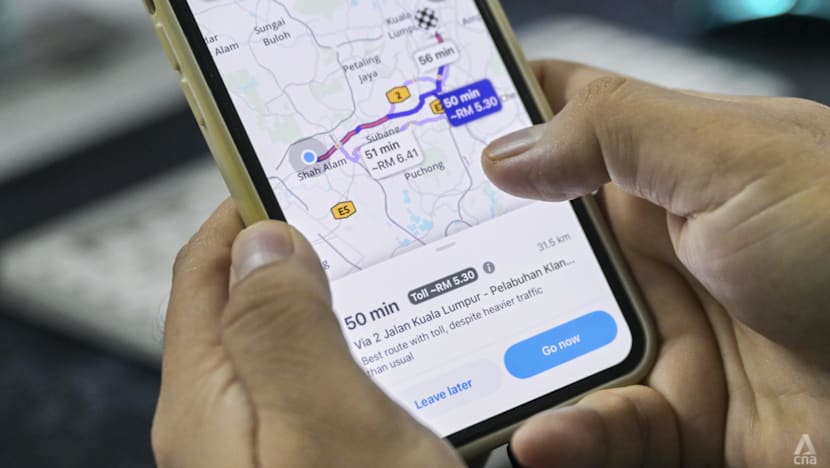
Malaysia wants to move away from Waze. Will drivers make the switch?

Rare, roomy and pricey? Inside Singapore's niche jumbo HDB flat market

Stripe invoices aren't revenue: how to turn them into ASC 606 schedules with a webhook
