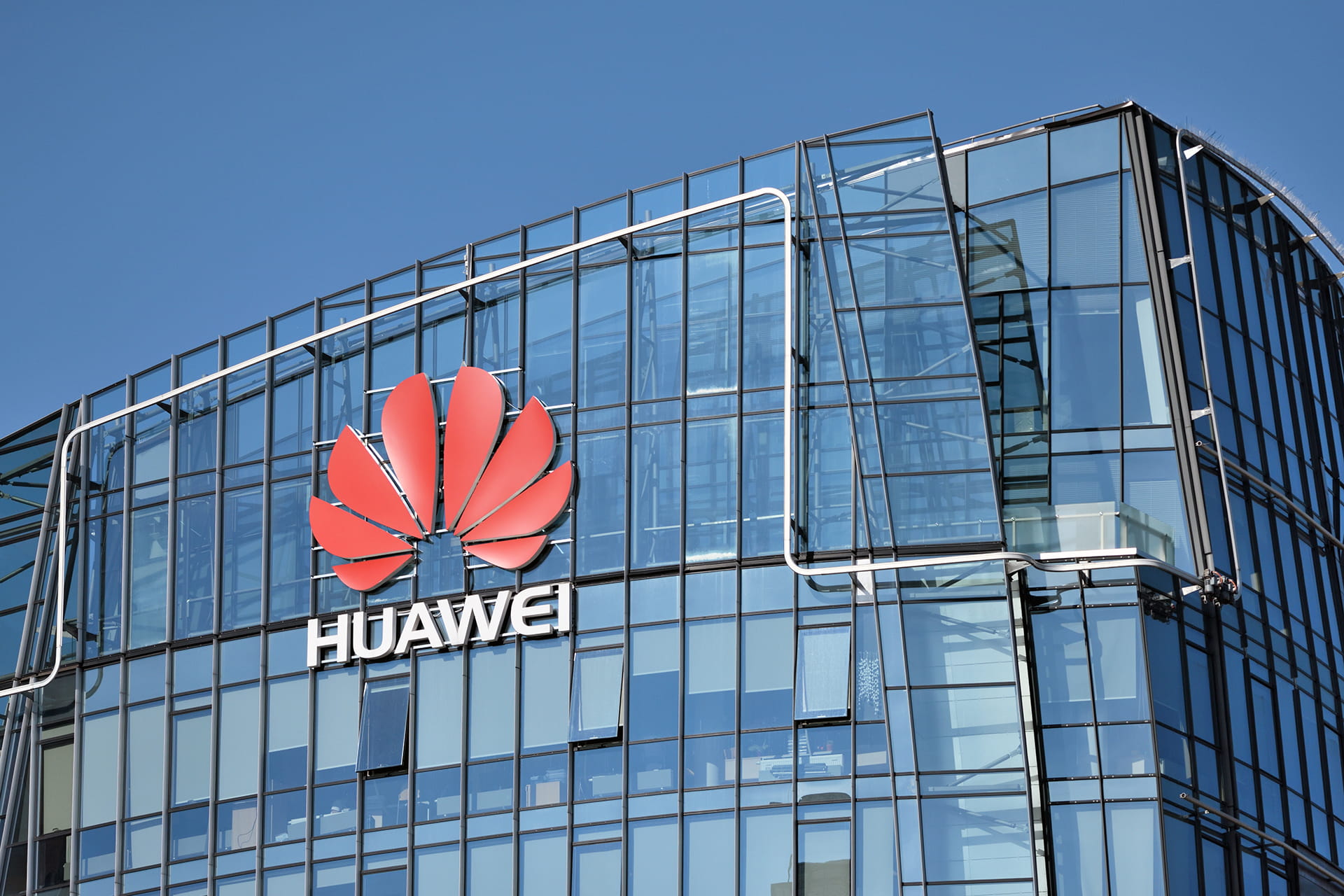
Huawei unveils new scaling law and tech that narrows gap with TSMC, Samsung
Huawei Technologies has unveiled a groundbreaking new scaling law and chip architecture designed to achieve transistor performance equivalent to a 1.4-nanometer process node. This innovation aims to push the boundaries of semiconductor development within a few years, crucially without relying on advancements in lithography tools. This strategic move underscores the Chinese tech giant's concerted efforts to cultivate a self-reliant semiconductor ecosystem amidst global technological competition. The development signifies a significant step in narrowing the technological gap with leading chip manufacturers like TSMC and Samsung, potentially reshaping the landscape of global chip production and supply chains.
Huawei's announcement of a new scaling law and chip architecture marks a pivotal moment for Asia's tech ecosystem, particularly in the context of semiconductor independence. By aiming for 1.4nm equivalent performance without advanced lithography, Huawei is directly addressing the bottlenecks imposed by export controls on critical manufacturing equipment. This strategy could significantly alter the competitive dynamics within the global chip industry, potentially allowing Chinese firms to reduce their reliance on Western technology and foster a more robust domestic supply chain.
This development has broader implications for market dynamics across Asia. If successful, it could empower other Asian nations seeking greater self-sufficiency in high-tech manufacturing, fostering increased regional collaboration and competition. It also signals a potential shift in R&D priorities, with more emphasis placed on novel architectural designs and materials science rather than solely on lithography advancements. For companies like TSMC and Samsung, this presents a new challenge, as Huawei's approach could disrupt the traditional roadmap for process node improvements and create alternative pathways to high-performance computing.
Related reading
6 stories
People’s Daily rejects US claims of malicious AI distillation, warns of countermeasures

Databricks to Invest Over US$350 Million in Singapore, Double Its Workforce
ByteDance’s AI-enhanced short-drama app eclipses China’s Netflix rivals combined

Personetics Launches AI Banking Console for Relationship Managers

Anthropic Sets October Launch for Singapore Office With Local Hiring Planned